Fort Lauderdale Home Insurance: What It Costs and Covers in 2026
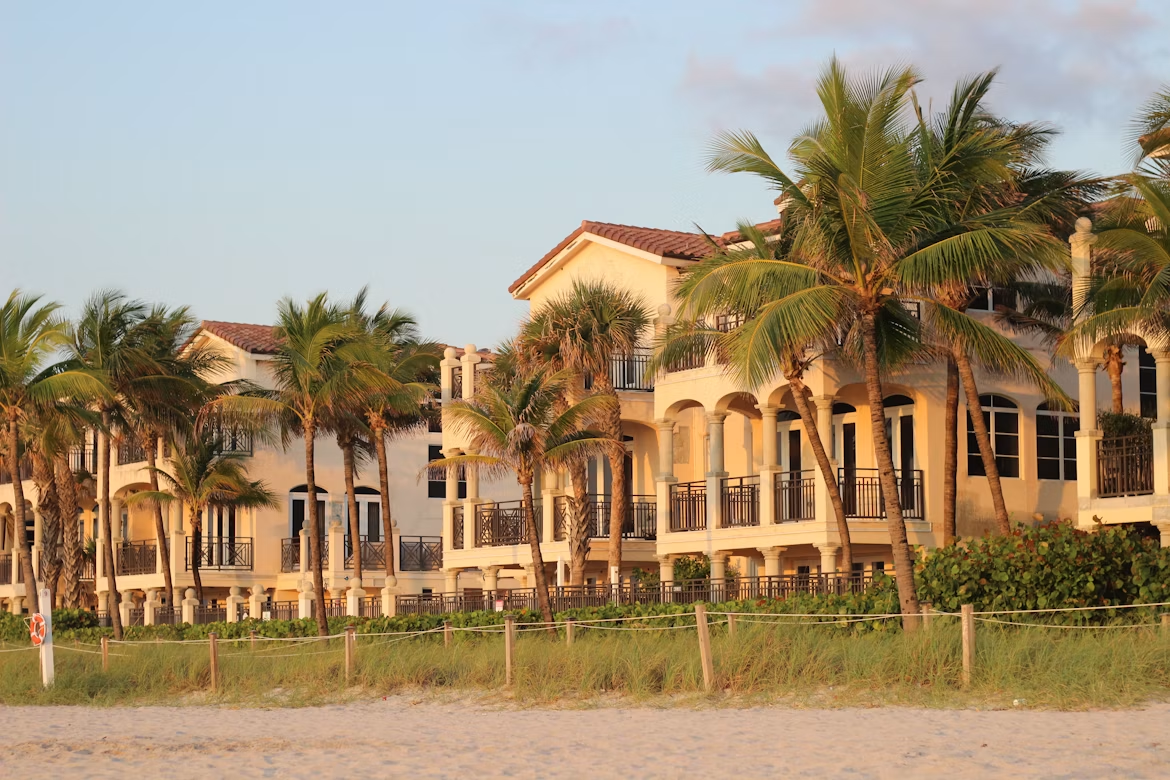
Fort Lauderdale home insurance has carried a double reputation for years, as it’s expensive to buy and hard to collect on when you actually need it. Broward County has historically been one of Florida's most litigated insurance markets, which pushed costs up for everyone, not just homeowners who filed claims. 2026 is the first year that started reversing, as 2022–2023 tort reform works through the system.
In this guide, we’ll go through what Fort Lauderdale homeowners actually pay, what a standard policy covers, and where flood insurance fits in.
Key Takeaways
- Costs here run higher than Florida's statewide average, though 2026 is bringing the first real rate relief in years.
- Broward County's litigation history drove up premiums; 2022–2023 reforms are now cutting lawsuit volume and claims costs.
- A standard Fort Lauderdale home insurance policy covers the dwelling, other structures, personal property, loss of use, liability, and medical payments, but never flood damage.
- Waterfront and canal-front homes face added flood exposure, and Citizens now requires flood coverage on higher-value properties.
- A Fort Lauderdale second home or vacation property often needs different underwriting than a full-time residence.
How Much Does Fort Lauderdale Home Insurance Cost?
The cost of home insurance in Fort Lauderdale, FL runs among the highest in the state. Fort Lauderdale sits in Broward County, and Broward's average annual premium of $6,136, including wind coverage, runs roughly 65% above Florida's $3,355 statewide average, based on the county data from the Florida Office of Insurance Regulation's (OIR) Property Insurance Stability Report.
With that said, several factors specific to Fort Lauderdale push costs higher than in other Florida markets. The city's extensive canal network and waterfront lots raise flood and storm-surge exposure, and a large share of the housing stock predates modern wind-resistant building codes. Also, rebuild costs run higher here than in many other Florida metros, since materials and skilled labor cost more near the coast.
Fort Lauderdale home insurance coverage costs stand out even next to other Florida metros. For instance, Tampa home insurance runs lower, since Hillsborough County sits farther from open water and storm-surge exposure than Broward. Also, Orlando home insurance costs less still, reflecting Orange County's inland location away from coastal wind and flood risk.
Jacksonville home insurance is the least expensive of the group, with Duval County's distance from both coasts keeping storm exposure and premiums lower. However, Miami-Dade is the exception; as Fort Lauderdale's closest coastal neighbor, it runs close behind Broward instead of below it.
*Your actual premium depends on your home's value, construction, coverage limits, and carrier; a rate-shopping quote for one property can run higher or lower than a county-wide average like this one.
After four years of steep increases, statewide rates are showing their first broad softening as 2022–2023 litigation reform reaches the market. Broward County posted one of the state's larger year-over-year rate cuts as Citizens' depopulation and new private carriers added competition. Pricing still varies by carrier, property, and eligibility, so comparing quotes directly against Florida's statewide home insurance costs is the only way to know your actual cost.
Why Fort Lauderdale Has Been One of Florida's Most Litigated Insurance Markets and What's Changing
Fort Lauderdale earned its litigation reputation through a mix of storm exposure and legal incentives, not simply high claims volume. Broward, along with Miami-Dade and Palm Beach, historically carried some of the state's highest “litigation multipliers” — the added cost insurers built into pricing to cover legal expenses tied to lawsuits and assignment-of-benefits (AOB) claims concentrated in South Florida.
At the peak of Florida's insurance crisis in 2020, the state accounted for roughly 9% of homeowners insurance claims filed nationwide, yet nearly 79% of the nation's homeowners insurance lawsuits. By mid-2026, that lawsuit share had fallen to about 41%, even as claims volume held closer to a more typical 5% of the national total, according to OIR.
Two rounds of reform drove that shift. The 2022 special sessions restricted contractor solicitation tied to AOB agreements, created a reinsurance backstop, and eliminated one-way attorney's fees for property claims; HB 837 extended similar changes to broader tort law in 2023. The 2026 legislative session has continued that trend with narrower measures, including a formal administrative dispute-resolution process for denied claims and new limits on denying coverage based solely on roof age. However, these are still not in effect.
Reform doesn't erase the risk it was built to address, though. Homeowners should still read any AOB agreement carefully before signing one with a contractor after storm damage. This is historically where the most contentious Fort Lauderdale home insurance claims originated.
What Does a Standard Fort Lauderdale Home Insurance Policy Cover?
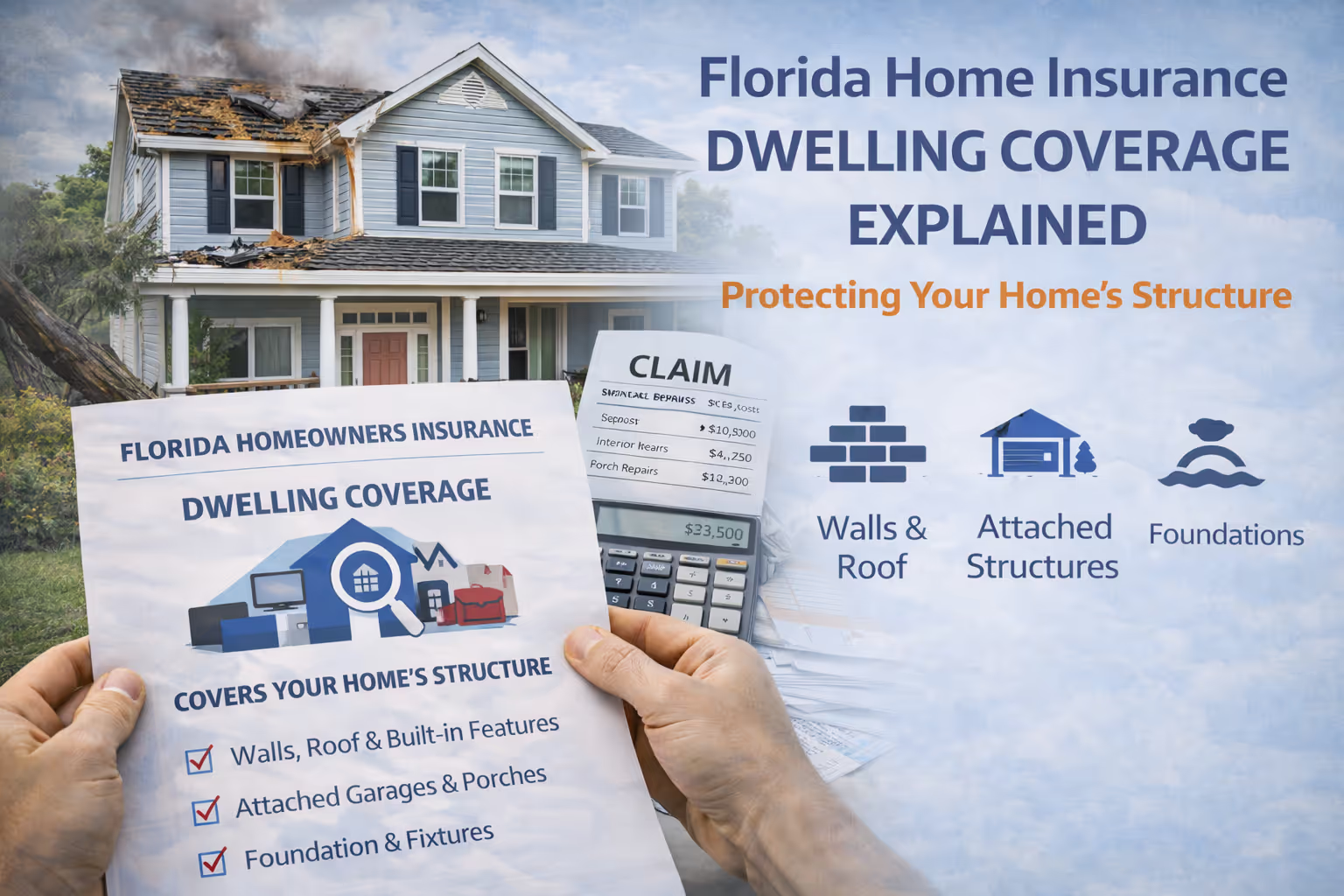
A standard Fort Lauderdale home insurance policy covers six core categories: the structure itself, detached structures, your belongings, additional living expenses, liability, and medical payments to guests. However, it excludes flood damage entirely, no exceptions.
Liability limits deserve extra attention in a market like Fort Lauderdale, where home values and lawsuit exposure run high.
Fort Lauderdale Home Liability Insurance
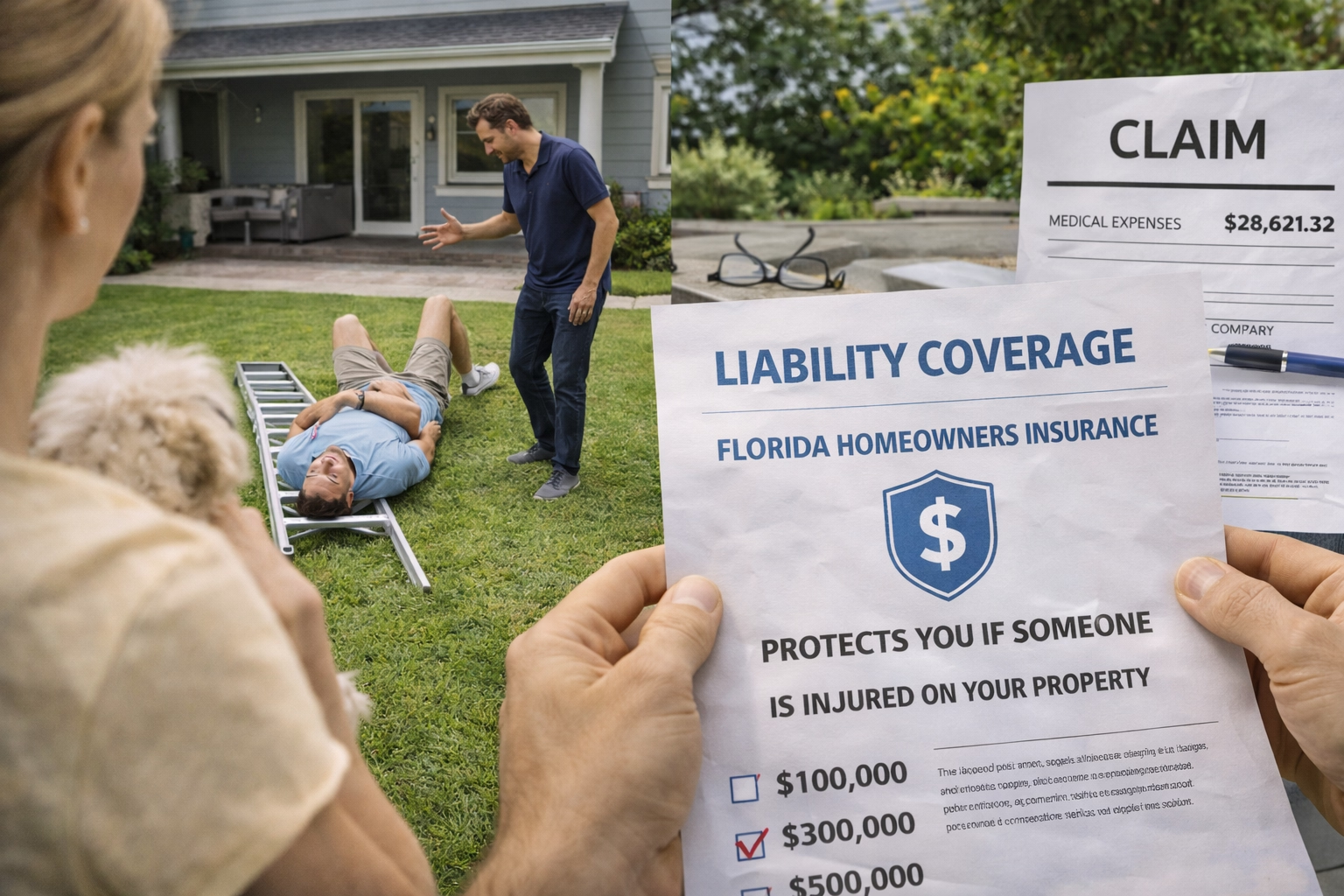
Fort Lauderdale home liability insurance typically starts at $100,000 in a standard policy, and that may not stretch far enough for higher-value South Florida properties. A single serious injury claim can exceed that limit fast, leaving the difference exposed to your other assets.
Homeowners with significant equity, rental exposure, or a pool often raise their liability limits or add a personal umbrella policy for an extra layer of protection beyond what a standard policy provides. Higher-value waterfront homes sometimes outgrow standard-market coverage altogether, which is where a private client insurance program can offer more tailored limits and service.
Waterfront and Canal Properties: Flood Insurance in Fort Lauderdale
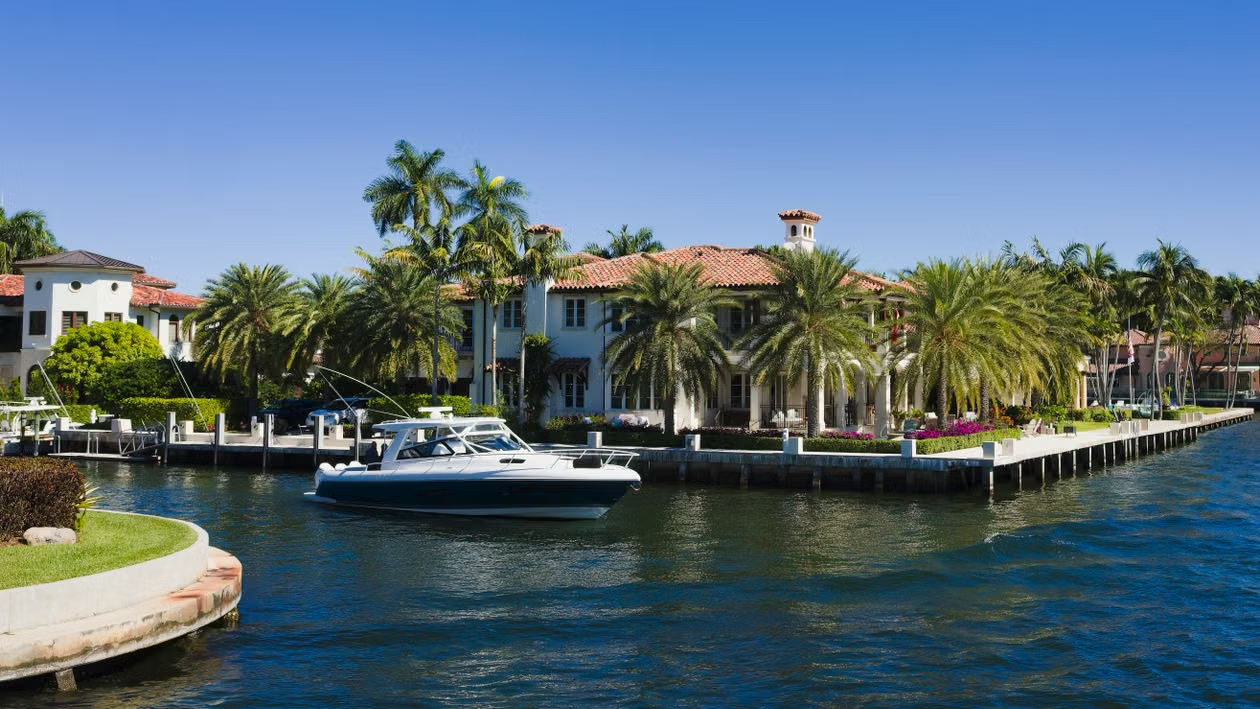
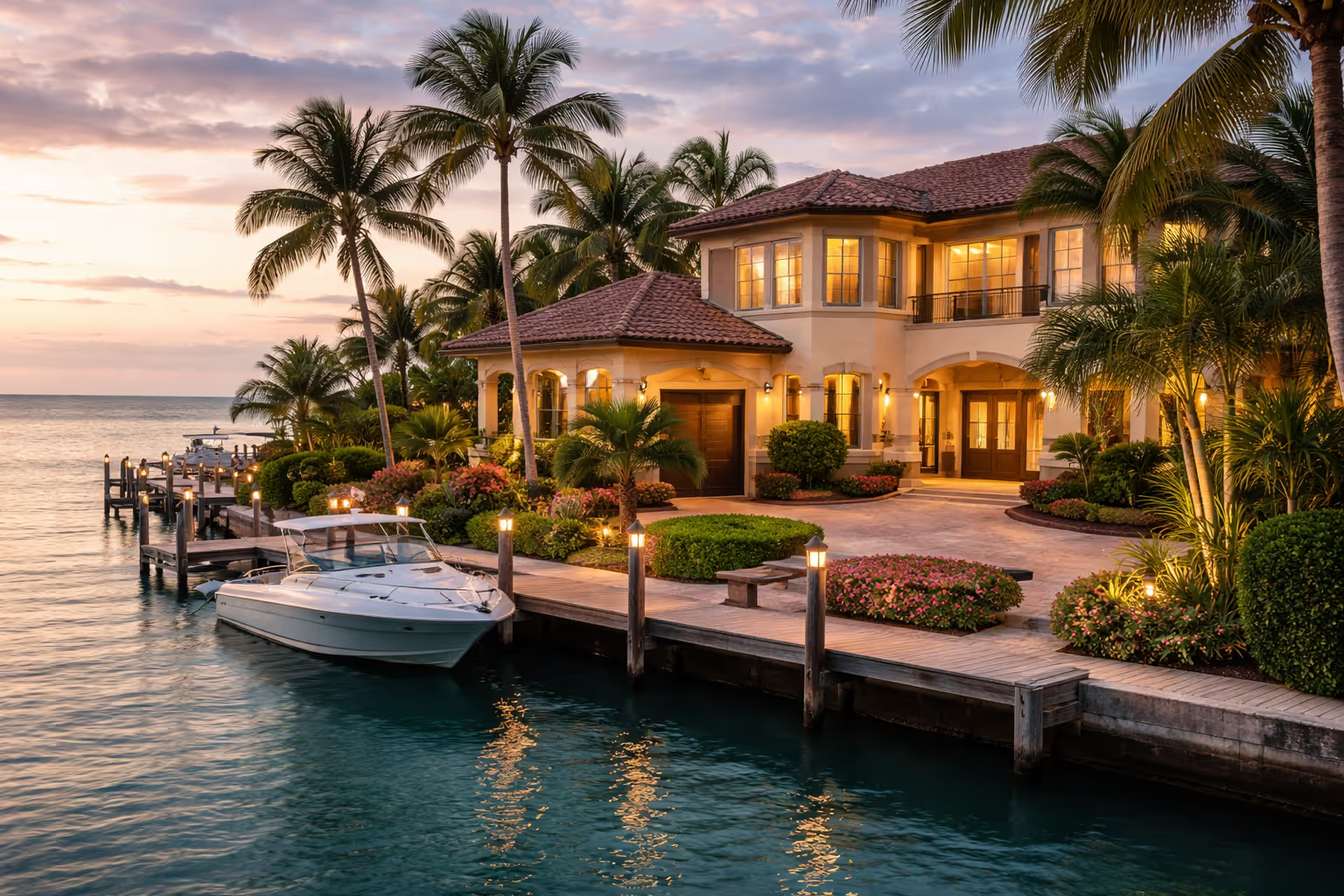
Waterfront and canal properties carry flood exposure well beyond the citywide average, thanks to the network of canals that earned Fort Lauderdale its “Venice of America” nickname. Homes along these waterways sit closer to tidal and storm-surge risk than inland properties, even in years without a major hurricane.
King tide events add routine flooding risk on top of hurricane-season exposure. Because standard homeowners insurance excludes flood damage outright, canal-front and waterfront owners need separate NFIP or private flood coverage, priced under FEMA's Risk Rating 2.0 methodology, which prices each property's individual flood risk rather than relying only on its flood zone designation.
A new rule adds urgency for higher-value Fort Lauderdale homes. As of January 1, 2026, Citizens Property Insurance policies covering homes with a $400,000-plus replacement cost must carry flood insurance regardless of flood zone. Given Fort Lauderdale's above-average home values, that threshold now applies to a meaningful share of local Citizens policyholders.
Insuring a Fort Lauderdale Second Home or Vacation Property
Fort Lauderdale vacation home insurance differs from a full-time residence policy mainly in how insurers underwrite vacancy. Carriers often apply vacancy clauses or minimum-occupancy requirements to homes left empty for extended stretches, which is a real factor for South Florida's large snowbird population that splits time between states.
Wind mitigation features and hurricane deductible planning matter just as much for a Fort Lauderdale second home, arguably more, since minor damage can go unnoticed for weeks without anyone there to catch it during hurricane season.
A seasonal second home that's never rented out generally still fits under a standard or seasonal-home endorsement. A property that's rented to guests, even occasionally, usually needs different coverage, closer to what a Florida landlord insurance policy provides, since short-term rental use changes the liability and occupancy risk insurers are pricing.
Fort Lauderdale second home insurance also weighs how far your primary residence sits from the property, since a longer response time after a storm can mean more damage before anyone notices it.
What Drives Your Fort Lauderdale Home Insurance Rate: 8 Factors That Matter
Your Fort Lauderdale home insurance rate is shaped by a combination of property-specific and policy-level factors, not just your ZIP code. The main eight drivers include:
- Location. Homes closer to the coast, a canal, or the Intracoastal Waterway carry higher wind and flood risk than inland properties. Insurers price this down to your ZIP code and specific block.
- Home age and construction type. Older homes, especially those built before Florida adopted its modern statewide building code in 2002, generally cost more to insure. Concrete block construction typically rates better than wood frame, since it holds up better against wind and water intrusion during storms.
- Roof age, material, condition, and hurricane-resistant features. A roof older than roughly 10 to 15 years may trigger a higher premium or coverage restrictions, regardless of its actual condition. Metal, tile, and newer shingle roofs rated for high wind speeds typically price better than aging asphalt shingle roofs nearing replacement.
- Deductible level, including your hurricane deductible. Choosing a higher standard deductible lowers your premium, and the same trade-off applies to your separate hurricane deductible, usually set as a percentage of your dwelling coverage. A higher hurricane deductible means more out-of-pocket cost after a storm, but a lower annual bill.
- Claims history. Filing multiple claims, even small ones, can raise your rate or complicate renewal, since insurers read repeat claims as a signal of future risk. A clean claims history over the past several years typically qualifies a homeowner for meaningfully better pricing.
- Coverage limits. Higher dwelling, personal property, and liability limits raise your premium, since they raise what the insurer could owe after a covered loss. Underinsuring to save money is a common mistake in Fort Lauderdale, where rebuild costs can exceed a low policy limit fast.
- Mitigation features. Impact-resistant windows and doors, hurricane shutters, a reinforced garage door, and a documented wind mitigation inspection can each qualify a home for meaningful discounts. Carriers reward features that lower the odds of a wind claim, so upgrades often pay for themselves over time.
- Credit-based insurance score. Florida law permits insurers to factor in a credit-based insurance score, a separate calculation from your everyday credit score built to predict claims likelihood. The Insurance Information Institute explains how it's calculated and what tends to move it.
How to Get the Best Rate on Fort Lauderdale Home Insurance

Finding affordable home insurance in Fort Lauderdale FL, and the best-priced coverage for your home comes down to shopping smart, not just shopping around. That said, make sure to:
- Compare multiple carriers rather than renewing on autopilot; rates for identical coverage can vary significantly between insurers.
- Ask about wind mitigation credits for shutters, impact windows, and updated roofs.
- Review your liability limits and consider an umbrella policy if your equity or exposure has grown.
- Bundle home and auto coverage where it fits your situation.
Getting the Best Home Insurance Quotes in Fort Lauderdale
Worth Insurance's Fort Lauderdale home insurance agents compare quotes across multiple carriers on your behalf, rather than selling one company's policies, so you can see coverage and pricing side by side before you commit.
This is usually the fastest path to the cheapest home insurance in Fort Lauderdale, FL that still meets your coverage needs; a low premium on paper isn't worth much if the policy behind it is thin. Browse carrier comparisons or read individual carrier reviews to start narrowing down your options and requesting the best home insurance quotes for your Fort Lauderdale property.
Final Thoughts
Fort Lauderdale home insurance costs remain higher than most of Florida, but 2026 is the first year in a while that the trend is bending in homeowners' favor. Litigation reform, a more competitive carrier market, and new flood insurance rules are reshaping what coverage looks like here, even as pricing continues to vary by property, carrier, and eligibility.
Comparing Fort Lauderdale home insurance quotes directly is still the most reliable way to see where your rate actually lands. Start a free quote with Worth Insurance to compare coverage across carriers for your home.
Fort Lauderdale Home Insurance FAQs
#1. Does my Fort Lauderdale homeowners policy cover flooding from canal overflow or king tides?
No, a standard Fort Lauderdale homeowners policy doesn't cover flooding from canal overflow, king tides, or storm surge. Flood damage of any kind is excluded from standard coverage, so canal-front and waterfront owners need a separate NFIP or private flood policy to close that gap.
#2. What should I know before signing an assignment of benefits (AOB) agreement after storm damage?
Before signing an AOB agreement, know that it transfers your right to negotiate and collect on your claim directly to the contractor. Read the terms carefully, ask what's included, and consider a second opinion before signing over that control after storm damage.
#3. Do I need different coverage for a seasonal second home than a full-time residence?
Yes, a seasonal second home often needs different coverage than a full-time residence, mainly around vacancy terms. Insurers may apply minimum-occupancy requirements or vacancy clauses to homes left empty for extended periods, which typically don't apply to a primary residence.
#4. What specialized coverage options should I consider in Fort Lauderdale?
Fort Lauderdale homeowners should consider flood insurance, higher liability limits, and coverage for detached structures near canals or docks. Given the city's waterfront exposure, many homeowners also add water backup coverage and wind mitigation upgrades that can lower hurricane deductible costs.
If you’re a homeowner in Florida, having the right insurance coverage is essential to protect your investment from hurricanes, floods, and other unexpected events. Learn more about the different coverage options, policy requirements, and ways to save by visiting our detailed guide to Florida homeowners insurance.

Get a
Florida Home Insurance
Quote



.avif)

















To see how Worth can reduce your risk.
Get a Free Quote


