Florida Roof Insurance Coverage: What You Need to Know About Protecting Your Home's First Line of Defense
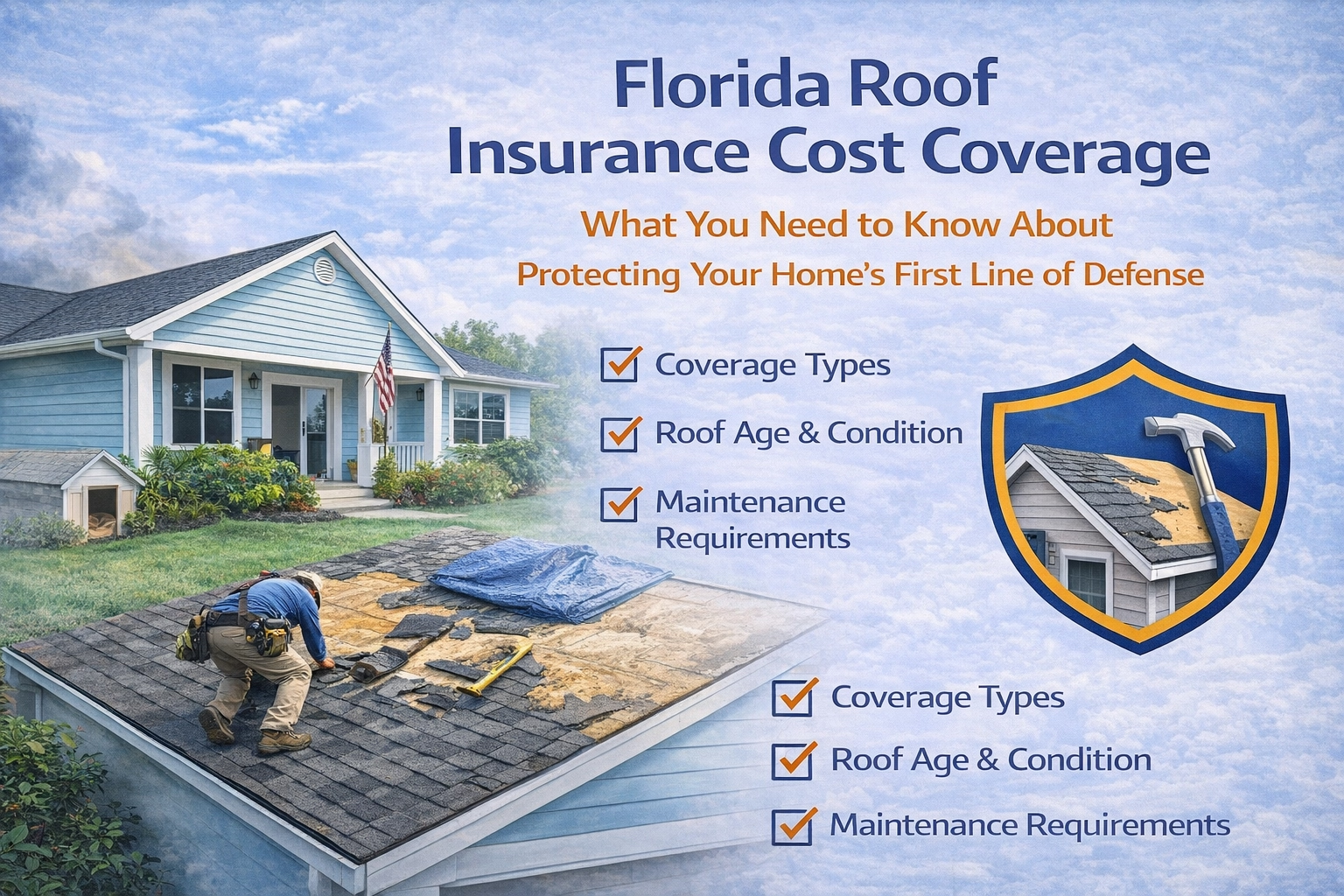
Florida roof insurance coverage has become one of the most contentious aspects of homeowners insurance in the state. Your roof serves as the primary barrier between your home and Florida's hurricanes, tropical storms, and daily afternoon thunderstorms.
Insurers know this, which is why they scrutinize roofs more carefully than almost any other aspect of your property. A roof that's too old, in poor condition, or made from materials they consider high-risk can disqualify your home from coverage entirely, force you into the state's insurer of last resort, or result in premiums that strain your budget.
Understanding how insurers evaluate roofs helps you navigate Florida's challenging insurance market. Most private insurers now require roofs to be 15 years old or newer, with many coastal carriers demanding roofs under 10 years. These requirements have left homeowners with perfectly functional older roofs scrambling for coverage options. Knowing your choices when facing roof-related insurance challenges, and understanding how roof claims actually work, puts you in a stronger position to protect both your home and your finances.
How Florida Insurers Evaluate Your Roof
Insurance companies assess roofs based on several factors that collectively determine whether they'll offer coverage and at what price. Age receives the most attention, but it's not the only consideration.
Roof age requirements have tightened dramatically in recent years. A decade ago, most insurers would cover roofs up to 20 or 25 years old. Today, many private carriers won't write new policies for homes with roofs over 15 years old. In high-risk coastal areas, the threshold often drops to 10 years. Some insurers have implemented sliding scales where older roofs receive actual cash value coverage while newer roofs qualify for replacement cost coverage.
Material type influences both insurability and premium. Architectural shingles, metal roofing, tile, and concrete roofs each carry different risk profiles. Metal and tile roofs often qualify for better rates due to their durability and wind resistance. Three-tab asphalt shingles, while common and affordable, may face more scrutiny due to their shorter lifespan and wind vulnerability.
Roof condition matters independently of age. A 12-year-old roof with visible damage, missing shingles, or obvious wear may be declined while a well-maintained 14-year-old roof passes inspection. Insurers often require roof inspections for homes over a certain age, typically 10 to 15 years, before agreeing to provide coverage.
Installation quality affects how roofs perform in storms. Properly installed roofs with adequate fastening, sealed decks, and code-compliant construction resist wind damage better than roofs installed with shortcuts or outdated methods. Permit records and inspection documentation can demonstrate proper installation.
Roof Age Requirements by Insurer Type
Different categories of Florida insurers apply different roof standards, giving homeowners options when one market segment won't offer coverage.
Private admitted carriers, the traditional insurance companies regulated by the state, generally maintain the strictest roof requirements. Many won't consider homes with roofs over 15 years old, and some coastal carriers require roofs under 10 years. These insurers offer the security of state guaranty fund backing if they become insolvent, but their selectivity leaves many homes without coverage options in this market.
Surplus lines carriers operate with more flexibility since they're not bound by the same regulations as admitted insurers. They often consider homes with older roofs that private carriers decline, though they charge higher premiums reflecting the increased risk they're accepting. Surplus lines policies don't include guaranty fund protection, meaning policyholders have less recourse if the carrier fails.
Citizens Property Insurance, Florida's state-created insurer of last resort, maintains more lenient roof requirements than most private carriers. Citizens will often cover homes with roofs up to 25 years old if the roof is in reasonable condition. However, Citizens has implemented roof deductible schedules where older roofs face higher deductibles than newer ones. Recent reforms are also pushing Citizens rates higher, reducing the price advantage it once offered.
Working with an independent insurance agent who represents multiple carriers across these market segments helps identify which insurers will consider your specific roof situation.
Understanding Roof Claim Coverage
How your policy covers roof damage depends on several factors including your coverage type, your roof's age, and the cause of damage. These distinctions significantly impact claim outcomes.
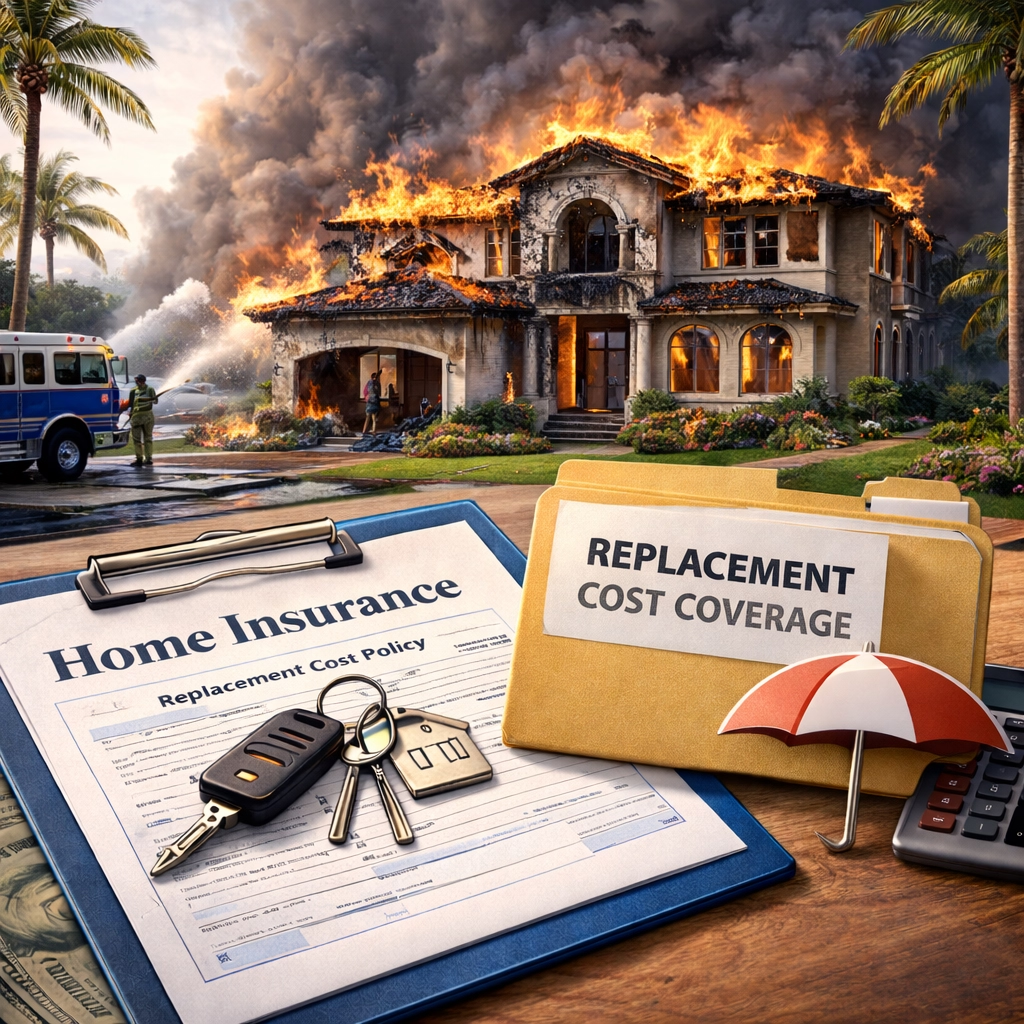
Replacement cost coverage pays to install a new roof of similar materials and quality without deducting for your existing roof's age or depreciation. If a hurricane destroys your 10-year-old roof, replacement cost coverage pays for a complete new roof regardless of the old roof's remaining useful life.
Actual cash value coverage deducts depreciation based on your roof's age and condition. That same 10-year-old roof, perhaps halfway through its expected 20-year lifespan, would generate only about half the replacement cost. You'd receive enough for a half-worn roof, which doesn't exist, leaving you to fund the difference for an actual new roof.
Some Florida insurers now apply roof coverage schedules based on age. A roof under 10 years might receive full replacement cost coverage. A roof 10 to 15 years old might receive actual cash value. A roof over 15 years might face even more limited coverage or higher deductibles. Review your policy's roof provisions carefully since these schedules aren't always obvious.
Cosmetic damage exclusions have become common in Florida policies. These exclusions allow insurers to deny claims for roof damage that affects appearance but not function. If hail dents your metal roof but doesn't cause leaks, a cosmetic damage exclusion might leave you without coverage. These exclusions are controversial and worth understanding before you need to file a claim.
Hurricane Deductibles and Roof Claims
Hurricane damage to roofs triggers your hurricane deductible rather than your standard policy deductible. This distinction matters enormously given how Florida hurricane deductibles work.
Hurricane deductibles are typically expressed as percentages of dwelling coverage, commonly 2% to 10%. On a home insured for $400,000 with a 5% hurricane deductible, you'd pay the first $20,000 of hurricane roof damage yourself. Only damage exceeding this amount would be covered.
This means minor to moderate hurricane roof damage often falls entirely within your deductible. If a hurricane causes $15,000 in roof damage to the home described above, you'd receive nothing from insurance since the damage doesn't exceed your $20,000 deductible. Many homeowners don't realize this until they file a claim.
Non-hurricane wind damage applies your regular deductible instead. If a summer thunderstorm damages your roof, your standard $1,000 or $2,500 deductible applies rather than the percentage-based hurricane deductible. The trigger is whether the National Hurricane Center has named the storm system that caused damage.
Understanding your deductible structure before hurricane season helps you budget for potential out-of-pocket costs. Some homeowners choose lower hurricane deductible percentages despite higher premiums to reduce exposure to large deductible amounts.
Wind Mitigation and Your Roof
Wind mitigation inspections document roof features that reduce hurricane damage, qualifying homeowners for mandated insurance discounts. Roof-related factors constitute the majority of wind mitigation credits.
Roof covering type affects discounts based on whether materials are rated for Florida building code compliance. FBC-approved shingles, tiles, or metal roofing installed to current standards earn better credits than older, non-rated materials.
Roof deck attachment examines how plywood or OSB sheathing connects to roof trusses. Closer nail spacing and larger fasteners provide stronger connections earning better discounts. Homes built after 2002 typically have improved roof deck attachment meeting updated code requirements.
Roof-to-wall connections receive particular scrutiny because these joints often fail in hurricanes, allowing roofs to lift off. Hurricane straps, clips, or structural connectors tying roof trusses to wall framing earn significant credits. Older homes with toenailed connections only may benefit from retrofit hurricane strap installation.
Secondary water resistance provides backup protection if roof coverings blow off during storms. Sealed roof decks using self-adhering underlayment or foam adhesive prevent water intrusion even when shingles or tiles are missing. This feature earns substantial discounts given its effectiveness at preventing interior water damage.
A wind mitigation inspection documents these features, typically costing $75 to $150, and can reduce premiums by 20% to 50% or more. Given Florida home insurance costs, these savings often amount to thousands of dollars annually.
What to Do When Your Roof Disqualifies You from Coverage
Facing insurance challenges due to roof age or condition requires evaluating several options. The right choice depends on your specific circumstances and financial situation.
Roof replacement solves the problem most directly but costs $15,000 to $40,000 or more depending on roof size, materials, and complexity. If you're planning to stay in your home long-term and your roof is near the end of its useful life anyway, replacement makes sense. The new roof qualifies you for better insurance options and resets wind mitigation credits.
Citizens Property Insurance accepts many homes private insurers decline due to roof age. While Citizens has implemented roof-based deductible schedules and rates are increasing, it remains an option when private coverage isn't available. You must demonstrate that private market coverage isn't available at comparable rates before Citizens will issue a policy.
Surplus lines carriers often accept older roofs at higher premiums. These policies lack some consumer protections of admitted carriers but provide coverage when other options don't exist. Your agent can access surplus lines markets to obtain quotes.
Roof coating or restoration systems can sometimes extend roof life and satisfy insurer requirements without full replacement. These systems seal existing roofing with reflective coatings, potentially buying several additional years. Not all insurers accept coated roofs as equivalent to replacement, so verify acceptability before investing.
Some insurers offer actual cash value policies for homes with older roofs when they won't provide replacement cost coverage. You'll receive less in claims, but you'll have coverage. This option may make sense as a bridge until you can replace the roof.
Maintaining Your Roof for Insurance Purposes
Regular roof maintenance supports both insurability and claim outcomes. Documented maintenance demonstrates you've fulfilled your responsibility to protect your property.
Annual inspections identify developing problems before they become major issues. Look for missing, cracked, or curling shingles. Check flashing around vents, chimneys, and edges. Examine gutters and downspouts for proper function. Note any visible wear or damage.
Prompt repairs prevent small problems from becoming large ones. A few missing shingles from a thunderstorm should be replaced quickly, not left until more blow off. Insurers may deny claims if they determine neglected maintenance contributed to damage.
Keep documentation of all roof work including receipts, permits, and contractor information. This records demonstrates maintenance history if questions arise during claims. Photos before and after any work provide additional documentation.
Tree trimming reduces roof damage risk from falling branches. Overhanging limbs scrape roofing materials in wind and can crash through roofs in storms. Maintaining clearance between trees and your roof shows insurers you're managing controllable risks.
Frequently Asked Questions
How old can my roof be to get home insurance in Florida? Most private insurers require roofs under 15 years old, with many coastal carriers requiring under 10 years. Citizens Property Insurance often accepts roofs up to 25 years in reasonable condition. Surplus lines carriers may consider older roofs at higher premiums. Requirements vary by insurer and location.
What happens if my roof is too old for insurance? Options include replacing the roof to qualify for private coverage, applying to Citizens Property Insurance which has more lenient requirements, seeking coverage through surplus lines carriers, or exploring roof restoration systems that some insurers accept. An independent agent can help identify available options.
Does insurance pay full replacement cost for roof damage? It depends on your policy. Some policies provide replacement cost coverage for all roofs. Others apply actual cash value to roofs over certain ages, deducting depreciation from claims. Some use sliding scales based on roof age. Review your policy's roof provisions to understand your specific coverage.
What is a cosmetic damage exclusion? Cosmetic damage exclusions allow insurers to deny claims for damage affecting appearance but not function. If hail dents your roof but causes no leaks, this exclusion might leave you uncovered. These exclusions are increasingly common in Florida policies and worth understanding before purchasing coverage.
How does roof age affect my deductible? Some Florida insurers apply higher deductibles to older roofs. A roof under 10 years might have a standard hurricane deductible while a roof over 15 years faces an elevated deductible. Citizens Property Insurance uses a roof deductible schedule based on age. Check your policy for any age-based deductible provisions.
Can a wind mitigation inspection lower my premium? Yes, significantly. Wind mitigation inspections document roof features that reduce hurricane damage, qualifying you for mandated discounts. Roof-related factors including covering type, deck attachment, roof-to-wall connections, and secondary water resistance can reduce premiums by 20% to 50% or more.
If you’re a homeowner in Florida, having the right insurance coverage is essential to protect your investment from hurricanes, floods, and other unexpected events. Learn more about the different coverage options, policy requirements, and ways to save by visiting our detailed guide to Florida homeowners insurance.

Get a
Florida Home Insurance
Quote




.avif)














To see how Worth can reduce your risk.
Get a Free Quote


