Florida Home Insurance Security System Discounts: How Protection Pays for Itself
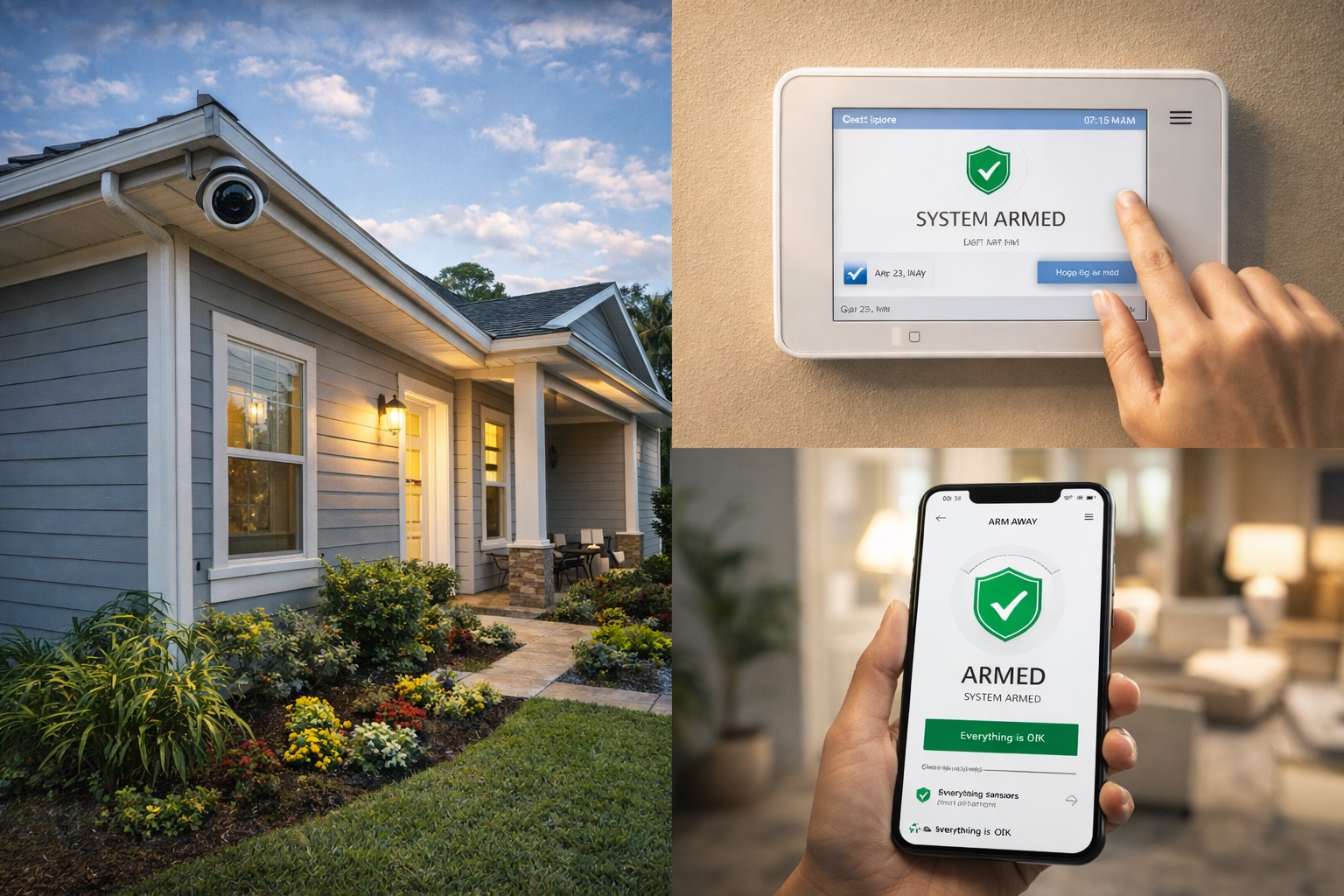
In a state where homeowners insurance premiums often exceed $4,000 to $6,000 annually, even modest percentage discounts translate to meaningful dollar savings that can offset or exceed the cost of security equipment and monitoring services.
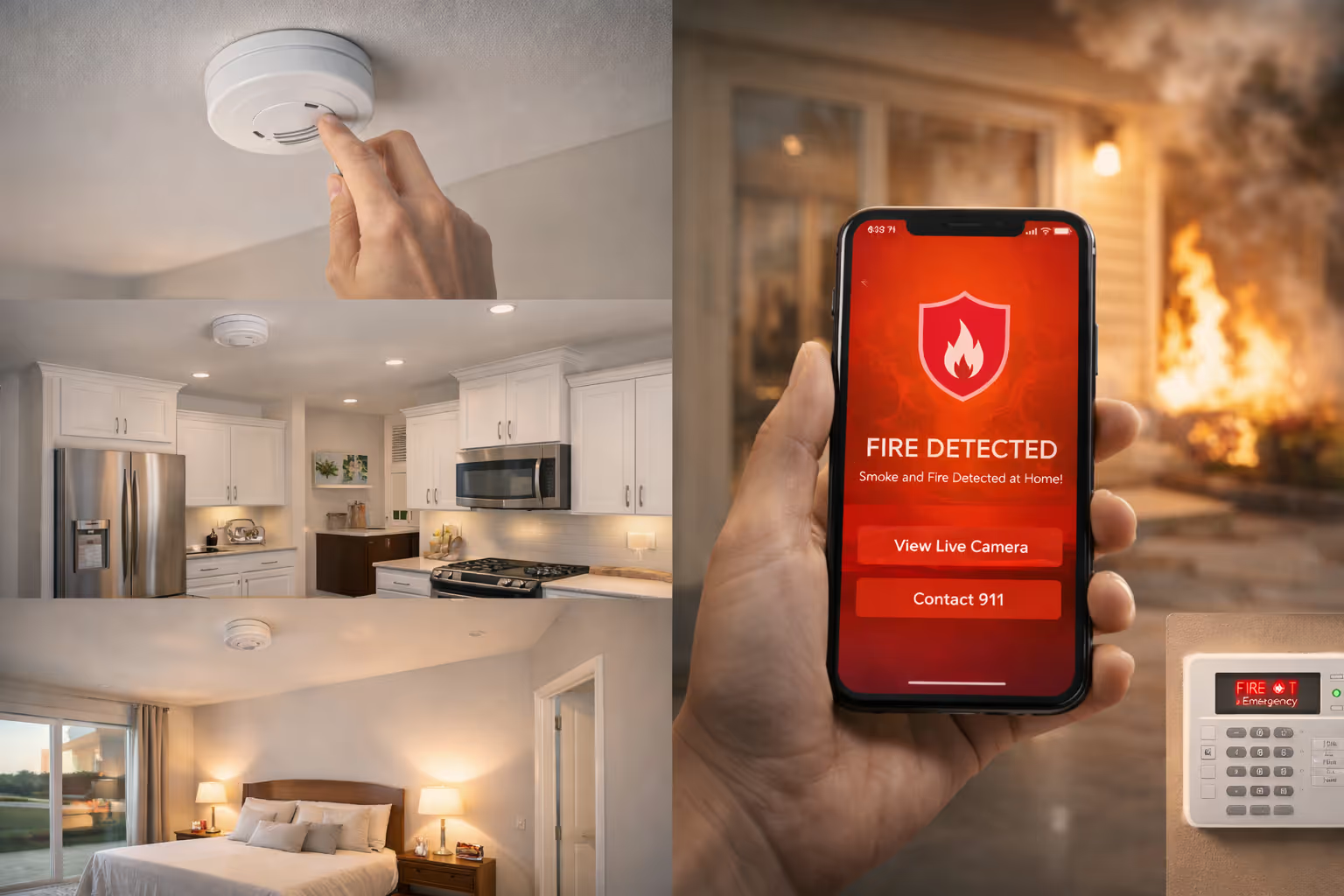
Insurers offer security discounts because protected homes experience fewer and less severe losses. Burglar alarms deter theft and alert authorities quickly when break-ins occur. Fire and smoke monitoring catches fires early, reducing damage. Water leak sensors identify problems before catastrophic flooding develops.
Florida home insurance security system discounts reduce your premiums when you install alarm systems, monitoring services, and other protective devices in your home.
These discounts typically range from 2% to 20% depending on the type and sophistication of your security system, with professionally monitored systems earning the highest credits.
Each protective layer reduces insurer risk, and the discounts reflect this reduced exposure. Understanding which devices qualify for discounts and how to maximize your savings helps you make smart decisions about home security investments.
Types of Security Discounts Available
Insurance companies categorize security devices into tiers based on their protective value, with different discount levels for each category. Knowing these tiers helps you understand what savings your current system provides and what upgrades might generate additional discounts.
Burglar alarm discounts reward systems designed to detect intrusion and alert homeowners or authorities. Basic local alarms that sound sirens when triggered qualify for minimal discounts of 2% to 5%. These systems deter some criminals but don't ensure response. Professionally monitored burglar alarms that alert a monitoring center and dispatch police earn higher discounts of 5% to 15% since they ensure response even when you're away or unable to act.
Fire and smoke alarm discounts apply to smoke detectors and fire alarm systems. Basic battery-operated smoke detectors that most homes already have generate small credits of 1% to 3%. Hardwired smoke detectors with battery backup qualify for slightly higher credits. Monitored fire alarm systems connected to central stations that dispatch fire departments earn the highest fire-related discounts of 5% to 10%.
Combination security systems integrating burglar, fire, and sometimes water monitoring earn the largest total discounts. A comprehensive monitored system covering all three categories might generate 15% to 20% in combined discounts. The integration ensures professional response to whatever emergency occurs.
Water leak detection systems have gained recognition from insurers as water damage claims have increased. Sensors detecting leaks near water heaters, washing machines, and under sinks can qualify for 1% to 5% discounts. Systems that automatically shut off water supply when leaks are detected earn higher credits since they prevent catastrophic damage.
Smart home devices including video doorbells, smart locks, and connected cameras may qualify for discounts with some insurers. This category is evolving as technology advances and insurers evaluate which smart devices actually reduce claims. Not all insurers offer smart home discounts yet, but the trend is toward recognizing these devices.
Deadbolt locks represent the most basic protective device discount, typically 1% to 2%. Most homes already have deadbolts, making this a baseline discount rather than an opportunity for improvement.
Monitored Versus Unmonitored Systems
The distinction between monitored and unmonitored security systems significantly affects insurance discounts. Understanding this difference helps you evaluate whether monitoring service costs are justified by insurance savings plus security benefits.
Unmonitored or local alarm systems detect problems and alert through sirens, lights, or notifications to your phone. When triggered, they rely on you or neighbors to notice and respond. If you're away, asleep, or the notification goes unseen, response may be delayed or absent. Insurers recognize the deterrent value of these systems but discount them less since response isn't guaranteed.
Professionally monitored systems connect to central monitoring stations staffed around the clock. When alarms trigger, trained operators verify the emergency and dispatch appropriate responders. Police respond to burglar alarms, fire departments to fire alarms, and in some cases plumbers or water restoration services to water alarms. This guaranteed response earns higher insurance discounts.
Self-monitored systems using smartphone apps represent a middle category. You receive alerts and can respond or call for help, but no professional monitors around the clock. Some insurers treat these similarly to local alarms while others provide intermediate discounts. Ask your insurer specifically how they categorize self-monitored systems.
Monitoring costs typically run $20 to $50 monthly for comprehensive service. Annual monitoring expenses of $240 to $600 should be weighed against insurance savings and security benefits. If monitoring saves $400 annually in insurance premiums, the net cost for security becomes minimal or even negative.
Central station certification matters to some insurers. Monitoring stations certified by Underwriters Laboratories or meeting specific standards may qualify for higher discounts than uncertified monitoring services. Ask your insurer whether monitoring station certification affects your discount.
How Much Can You Actually Save
Calculating actual savings requires knowing your premium amount and applicable discount percentages. Real examples illustrate the value security discounts provide.
Consider a Florida homeowner paying $5,000 annually for home insurance. A basic unmonitored burglar alarm might generate a 3% discount, saving $150 per year. Upgrading to professional monitoring might increase the discount to 10%, saving $500 annually. The $350 additional savings from monitoring exceeds typical monitoring costs, making the upgrade financially attractive before even considering the security benefits.
Adding fire monitoring to burglar monitoring might increase total discounts from 10% to 15%, adding another $250 in annual savings on that $5,000 premium. Water leak detection adding another 3% saves $150 more. The comprehensive system generating 18% total discounts saves $900 annually.
These savings compound over years of ownership. A $900 annual savings over ten years of homeownership represents $9,000 in reduced premiums. Equipment costs of $500 to $1,500 for a quality security system plus monitoring fees are more than offset by long-term insurance savings.
Higher premium amounts generate proportionally larger savings. A homeowner paying $8,000 annually sees 18% security discounts worth $1,440 per year. Coastal Florida homeowners with expensive coverage have the most to gain from maximizing security discounts.
However, discounts vary significantly between insurers. One company might offer 20% for comprehensive monitoring while another offers only 10% for identical systems. When shopping for coverage, ask specifically about security discounts since the insurer offering best overall value depends partly on how they reward your protective devices.
Qualifying for Security Discounts
Obtaining security discounts requires more than simply installing equipment. Documentation, communication with your insurer, and sometimes inspections are necessary to ensure discounts apply to your policy.
Notify your insurer when you install security equipment. Discounts don't apply automatically just because you have a security system. You must inform your insurance company, provide relevant documentation, and have the discount added to your policy. Failing to report your security system means paying more than necessary.
Documentation requirements vary by insurer but typically include installation receipts or contracts, monitoring service agreements, and sometimes system specifications or certificates. Professional installation records carry more weight than DIY installation for some insurers. Monitoring contracts prove you're paying for active service rather than having dormant equipment.
Annual verification may be required to maintain discounts. Some insurers request confirmation that monitoring remains active at each renewal. If you cancel monitoring service, your discount should be removed, and failing to report cancellation could create problems if claims arise later.
Inspection may be required for larger discounts. Some insurers send inspectors to verify security systems before applying maximum discounts. Others accept documentation without physical verification. Understanding your insurer's process helps you prepare appropriately.
Certificate of installation from your security company provides professional verification of your system. Many security companies provide these certificates specifically for insurance purposes, understanding that customers need documentation for discounts.
UL certification of your system or monitoring service may affect discount eligibility. Underwriters Laboratories certification indicates equipment and services meet specific standards. Some insurers require UL certification for maximum discounts.
Choosing Security Systems for Maximum Discounts
Selecting security equipment with insurance discounts in mind helps you maximize savings while getting genuine protection. Several factors guide smart security investments.
Comprehensive systems covering burglar, fire, and water detection maximize discount potential. Rather than installing these protections separately, integrated systems from a single provider simplify monitoring and may qualify for package discounts from insurers.
Professional installation typically qualifies for higher discounts than self-installation. While DIY systems have become popular and capable, insurers may value professional installation documentation more highly. The cost difference between DIY and professional installation should be weighed against potential discount differences.
Established monitoring companies with strong reputations and proper certifications position you for maximum discounts. While newer or discount monitoring services may cost less monthly, they might not qualify for the same insurance credits as established, certified providers.
Contract terms affect long-term value. Some security companies require multi-year monitoring contracts while others offer month-to-month service. Flexibility matters if you might move or want to change providers. However, contracted services might provide better rates or qualify for better insurance discounts.
Equipment ownership versus rental affects costs and flexibility. Some security companies provide free equipment with monitoring contracts while others sell equipment outright. Owned equipment lets you change monitoring providers while rental equipment typically must be returned if you cancel.
Ask your insurer which systems and providers they recognize for maximum discounts before selecting a security company. Some insurers have preferred provider relationships or specific system requirements. Choosing a system your insurer fully recognizes ensures you receive every available discount.
Smart Home Technology and Insurance
Smart home devices are increasingly recognized by insurers, though this area continues evolving. Understanding current trends helps you evaluate smart device insurance value.
Water shut-off systems that automatically stop water flow when leaks are detected earn growing recognition from insurers. These devices prevent catastrophic water damage by cutting supply immediately rather than relying on human response. Discounts of 3% to 10% may apply depending on the insurer.
Smart smoke detectors that send smartphone alerts and provide voice warnings about specific dangers may qualify for slightly higher discounts than basic smoke detectors at some insurers. The enhanced functionality improves response potential.
Video doorbells and security cameras provide deterrent value and evidence collection capability. Some insurers offer small discounts for these devices, recognizing they may reduce theft and support claim documentation. This category is still developing as insurers evaluate actual loss reduction.
Connected home systems integrating security, fire safety, water monitoring, and smart devices under unified platforms represent the direction home protection is heading. Insurers are gradually developing discount structures recognizing these comprehensive systems.
Temperature monitoring preventing frozen pipe damage during cold snaps or vacancy periods may qualify for credits in some cases. Florida's generally warm climate makes this less relevant than in northern states, but snowbirds leaving homes unoccupied during travel might benefit.
Insurance company apps and programs are emerging that connect to smart home devices and provide premium benefits based on actual home monitoring data. These usage-based or connected home programs represent the frontier of security-related insurance benefits.
Frequently Asked Questions
How much can I save with a security system discount on Florida home insurance? Discounts typically range from 2% to 20% depending on system type and sophistication. On a $5,000 annual premium, this represents $100 to $1,000 in savings. Comprehensive professionally monitored systems covering burglar, fire, and water detection earn the highest discounts. Basic unmonitored alarms qualify for smaller credits.
Do I need professional monitoring to get an insurance discount? Not necessarily, but professional monitoring earns significantly higher discounts than unmonitored systems. Basic local alarms might generate 2% to 5% discounts while professionally monitored systems earn 10% to 20%. The additional savings from monitoring often exceed monitoring costs, making it financially attractive beyond security benefits.
What documentation do I need for security system discounts? Typical requirements include installation receipts or contracts, monitoring service agreements, and sometimes system specifications or UL certificates. Professional installation records and monitoring company certificates specifically for insurance purposes strengthen your documentation. Contact your insurer for their specific requirements.
Do smart home devices qualify for insurance discounts? Some insurers are beginning to offer discounts for smart home devices like water shut-off systems, smart smoke detectors, and video doorbells. This category is evolving as insurers evaluate which devices actually reduce claims. Ask your specific insurer about smart home discounts since offerings vary widely between companies.
Will my discount be removed if I cancel monitoring service? Yes. Discounts for monitored systems require active monitoring. If you cancel service, you should notify your insurer to have the discount removed. Failing to report cancellation while claiming the discount could create problems if claims arise, as insurers may investigate discount eligibility during claims.
Do all insurance companies offer security system discounts? Most Florida homeowners insurers offer some form of protective device discount, but amounts and qualifying requirements vary significantly. Some insurers emphasize security discounts with credits up to 20% while others offer only minimal recognition. Comparing discount structures should be part of shopping for coverage.
If you’re a homeowner in Florida, having the right insurance coverage is essential to protect your investment from hurricanes, floods, and other unexpected events. Learn more about the different coverage options, policy requirements, and ways to save by visiting our detailed guide to Florida homeowners insurance.

Get a
Florida Home Insurance
Quote






.avif)























To see how Worth can reduce your risk.
Get a Free Quote


