Is It Hard to Get Home Insurance in Florida in 2026? Full Guide
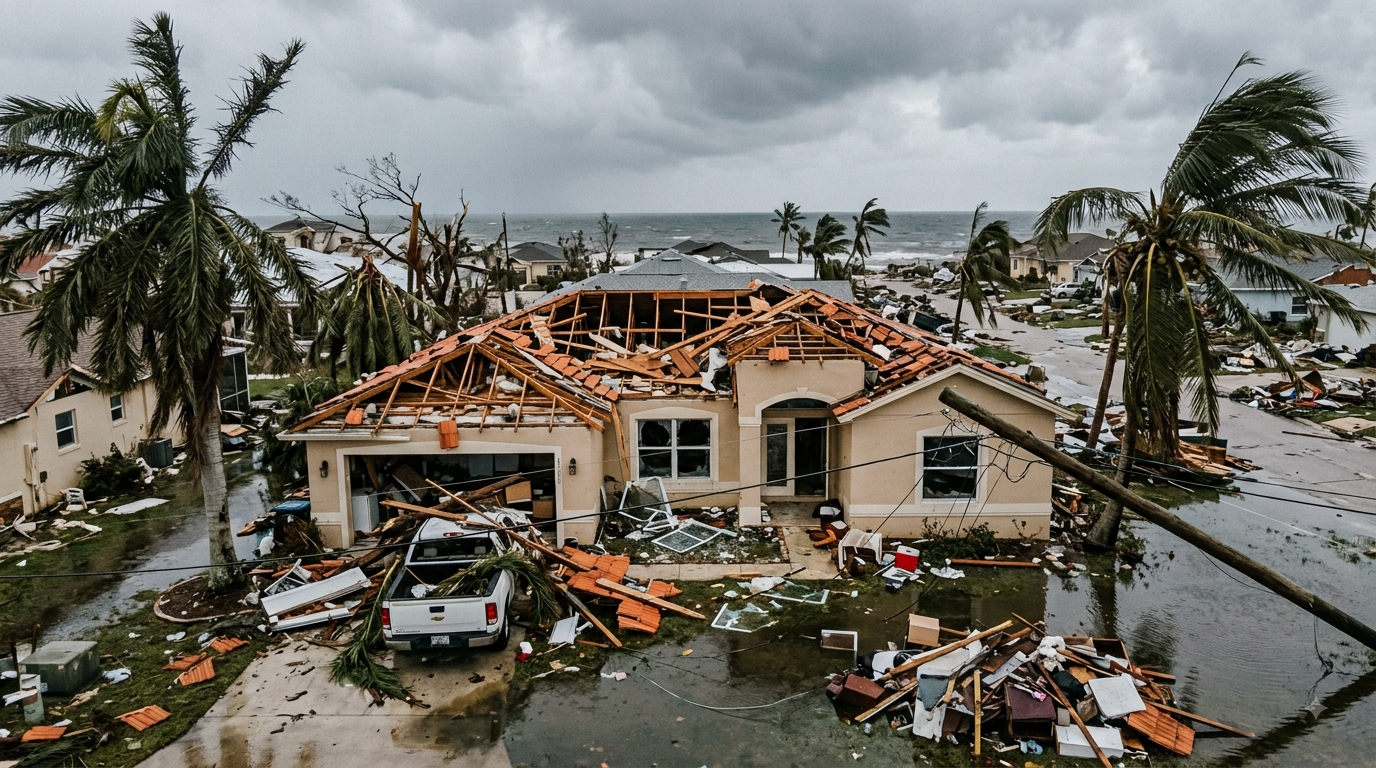
It's harder to get house insurance in Florida than in most states, but not as hard as it was a few years ago. Florida law doesn't require homeowners insurance, though your mortgage lender almost certainly will, and dozens of new insurers have re-entered the market since 2023, making coverage easier to find than during the worst of the crisis. Legislative reforms have curbed litigation costs and helped stabilize rates.
Below, we answer “Is it hard to get home insurance in Florida?” in more detail, breaking down why coverage is harder to get in Florida, what to do if you're turned down, and how to improve your odds of approval.
Key Takeaways
- Florida home insurance is harder to get because of hurricane risk, older housing stock, and stricter underwriting, but the market is improving.
- Homeowners with a recent claim can usually still find coverage, though options may be more limited and pricier.
- If private insurers decline you, Citizens Property Insurance and independent agents can help.
- Wind mitigation upgrades, roof updates, and shopping multiple carriers make approval easier.
- More than 17 new carriers have entered Florida since 2023, and rates are stabilizing in 2026.
Why Is Home Insurance Hard to Get in Florida?
Home insurance in Florida is harder to get than in most states because of a mix of environmental, structural, and market factors. Insurers weigh hurricane exposure, home age, and location heavily, and a wave of past carrier exits made some insurers more selective about new business.
That said, let’s examine the factors that affect Florida home insurance costs.
#1. Hurricane and Wind Risk
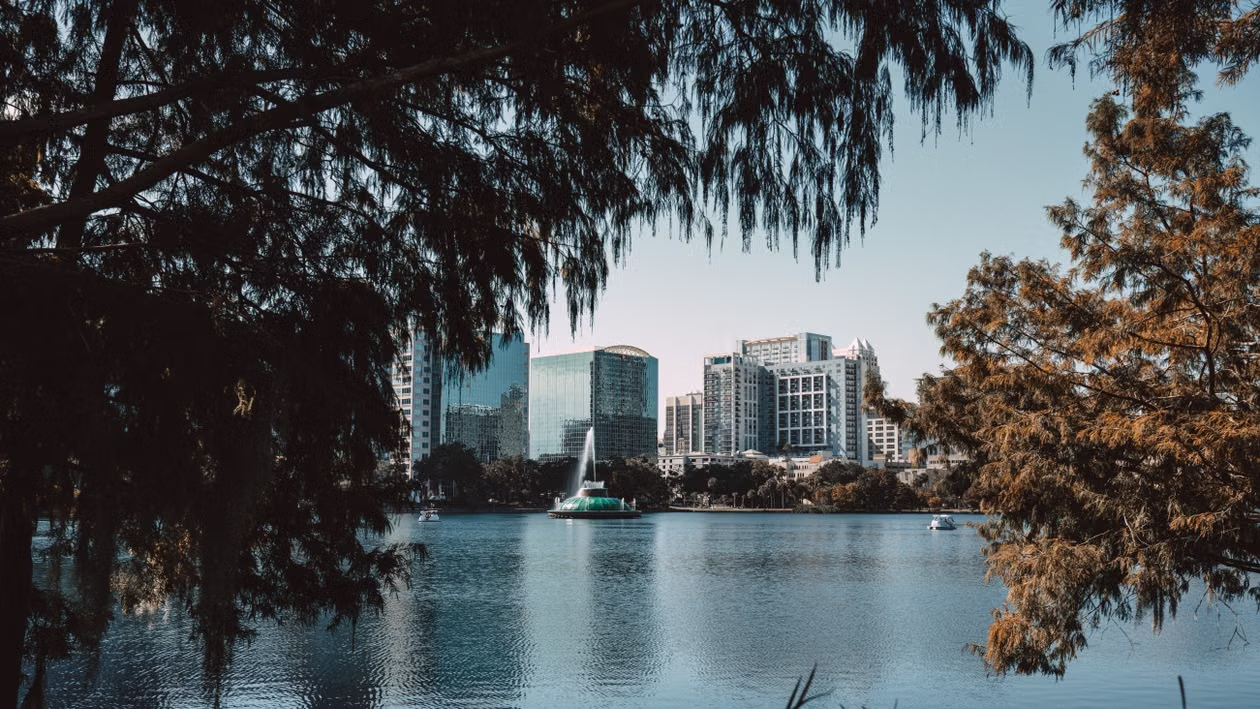
Hurricane and wind risk is the single biggest reason home insurance is hard to get in Florida. Every county sits within reach of tropical storm winds; however, Inland metro areas like Orlando often see more competitive home insurance rates than coastal ZIP codes, since storm surge risk drops away from the coast.
Insurers price and underwrite policies based on modeled hurricane losses, factoring in wind speed exposure, distance to the coast, and construction type. Homes without wind mitigation features, like a hip roof, impact windows, or reinforced roof-to-wall connections, are considered higher risk and may see stricter underwriting.
Some carriers cap how many policies they'll write in high-exposure coastal counties, which narrows your options near the water. For storm-season planning, Worth Insurance's hurricane preparedness resources cover what to expect each season.
#2. Older Homes and Roofs
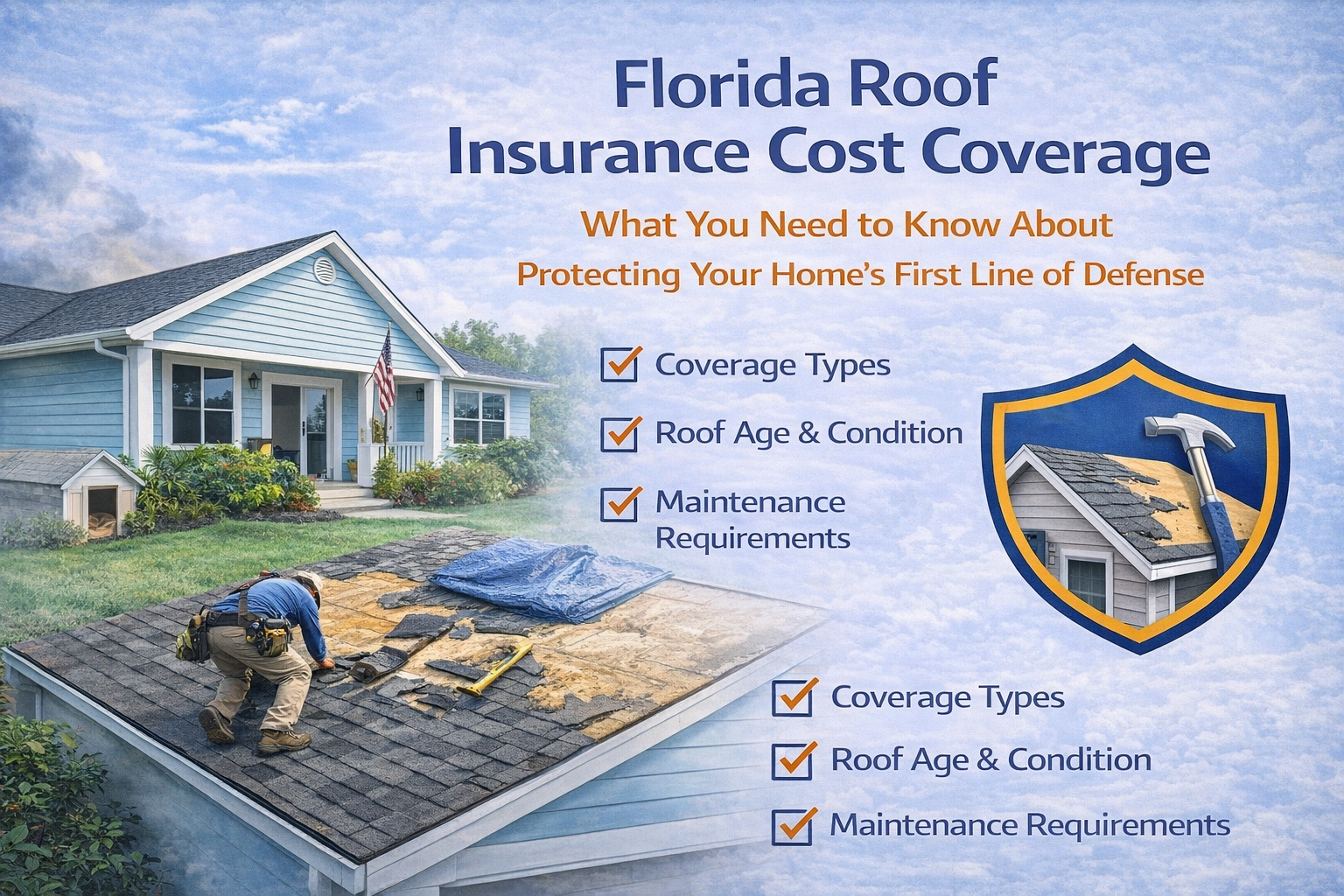
Roofs older than 15 to 20 years are one of the most common reasons Florida homeowners struggle to find coverage. Many carriers require a roof inspection before writing a policy, and some won't provide roof insurance coverage past a certain age at all, or will only offer actual-cash-value settlement instead of full replacement cost.
Also, older homes can carry outdated permits or non-conforming additions that complicate underwriting. If your roof shows granule loss, curling shingles, or prior storm damage, expect more scrutiny. Replacing or recertifying an aging roof before you apply widens the pool of carriers willing to write your policy.
#3. Electrical, Plumbing, and HVAC Systems
Outdated electrical, plumbing, and HVAC systems raise red flags for insurers because they're linked to fire and water-damage claims, two of the costliest categories carriers pay out on. Homes with knob-and-tube or aluminum wiring, polybutylene pipes, or a system past its expected service life often get flagged during underwriting, and some insurers won't write a policy until the issue is fixed.
Even a working older system can trigger a required inspection or an exclusion for that specific peril. Updating these systems and keeping permits and receipts on hand gives underwriters documented proof the risk has been addressed.
#4. Location and Property-Specific Risks
Properties in flood zones, near brush or wooded areas, or with a history of sinkhole activity face added underwriting steps, and flood risk typically requires a separate flood insurance policy on top of your homeowners coverage.
A swimming pool, trampoline, or certain dog breeds can also affect liability underwriting. Distance to a fire hydrant and the local fire department's rating matter too, since carriers factor in how quickly a fire could be contained. None of these automatically disqualify a home, but each one narrows the list of carriers willing to offer a competitive quote.
#5. Carrier Capacity and Reinsurance Costs
Insurers only write as many Florida policies as their reinsurance, the coverage carriers buy to protect against their own catastrophic losses, allows. When reinsurance costs spike after a heavy hurricane season, some carriers pull back on new business statewide or in specific counties to manage exposure.
This isn't personal to your property; it's a capacity decision made at the company level, which is why the same home can be easy to insure with one carrier and difficult with another. You can compare home insurance companies in Florida to see which are actively writing new business right now.
#6. Claims History and Credit-Based Insurance Score
Your insurance claims history, and sometimes a property's claims history from a previous owner, follows the home and can make new coverage harder to find. Multiple water or wind claims in a short period signal higher risk to underwriters, even when the damage was storm-related and unavoidable.
Most Florida carriers also factor in a credit-based insurance score alongside claims and property data, since insurers link certain credit patterns to claim frequency. A thin credit file or a recent claim doesn't rule you out, but it usually means fewer carriers to choose from.
Is It Hard to Get Home Insurance After a Claim in Florida?

This depends more on the type, frequency, and timing of the claim than on the fact that one exists at all. A single wind or hurricane claim tied to a named storm is usually treated differently than water damage, mold, or multiple claims within a few years, since carriers watch for patterns that predict future losses.
CLUE reports, the industry database that tracks claims history by address, follow the property for several years, so a prior owner's claims can affect your options even if you never filed them yourself.
Homeowners with one storm-related claim in the past three to five years can often still find standard coverage, sometimes with a higher premium or extra underwriting questions. Multiple non-catastrophe claims, like repeated plumbing leaks, make private coverage harder to secure and may push you toward Citizens or a specialty carrier instead.
What To Do If No Insurance Company Will Insure Your Florida Home?
If you're wondering, “Can you still get home insurance in Florida?” after a few declines — yes, in most cases. Being turned down by a few carriers doesn't mean your home is uninsurable; it usually means you haven't found the right fit yet. These four approaches, often used together, cover most situations homeowners run into.
#1. Shop Multiple Private Insurers
Every Florida insurance carrier underwrites differently, so a decline from one company says little about your odds with another. One insurer might cap new business in your county while a neighboring carrier is actively growing there.
Applying to carriers one by one is slow, which is why comparing quotes from multiple carriers at once through an independent agency is usually faster than going company by company. Since 17-plus new carriers have entered Florida's market since the 2022 reforms, the list worth checking is longer than it was even two years ago.
#2. Fix Insurability Problems
Underwriters decline homes for specific, fixable reasons more often than not, so find out exactly why you were declined before reapplying. An aging roof, outdated wiring, or a missing wind mitigation inspection are the most common culprits, and each has a defined fix.
A wind mitigation inspection documenting features like a hip roof or hurricane shutters can shift a home from declined to insurable, sometimes within days of the report being filed. Ask the declining carrier or your agent for the specific reason in writing so you're not guessing at what to fix.
#3. Consider Citizens Property Insurance
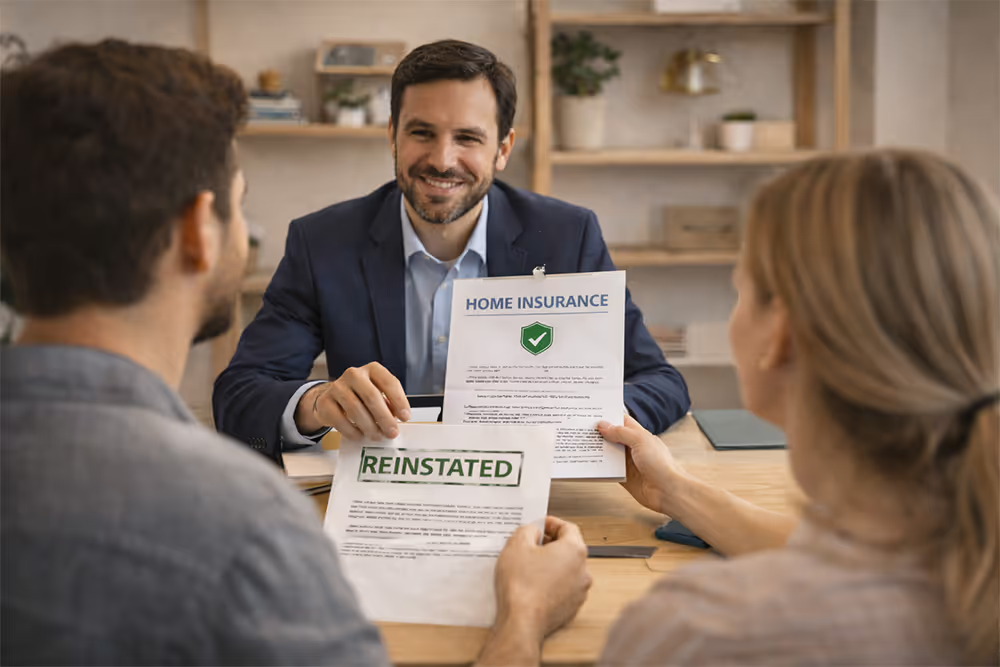
Citizens Property Insurance Corporation, Florida's state-backed insurer of last resort, exists specifically for homeowners who can't find comparable private coverage. You generally qualify if a private-market quote comes in more than 20% above a comparable Citizens Property Insurance policy, or if you can't find private coverage at all.
Citizens has shrunk significantly as private carriers have returned, so it works best as a temporary landing spot; the state actively encourages moving policies back to private insurers once a comparable offer becomes available.
#4. Work With an Independent Insurance Agent
An independent agent works with dozens of carriers instead of one, so they can run your property against multiple underwriting guidelines at once instead of you applying company by company. They also track which carriers are actively writing new business in your county this month, information that changes often enough to be hard to follow on your own.
If you've been declined, an independent agent can usually tell you within a day or two which carriers are worth pursuing.
Different Florida Home Insurance Coverages Compared
Here's how the three main paths to coverage stack up if a standard private policy hasn't worked out:
Note: Coverage and pricing vary by carrier, property, and eligibility for homeowners insurance coverage, so treat these figures as a starting point rather than a quote.
How to Make It Easier to Get Home Insurance in Florida
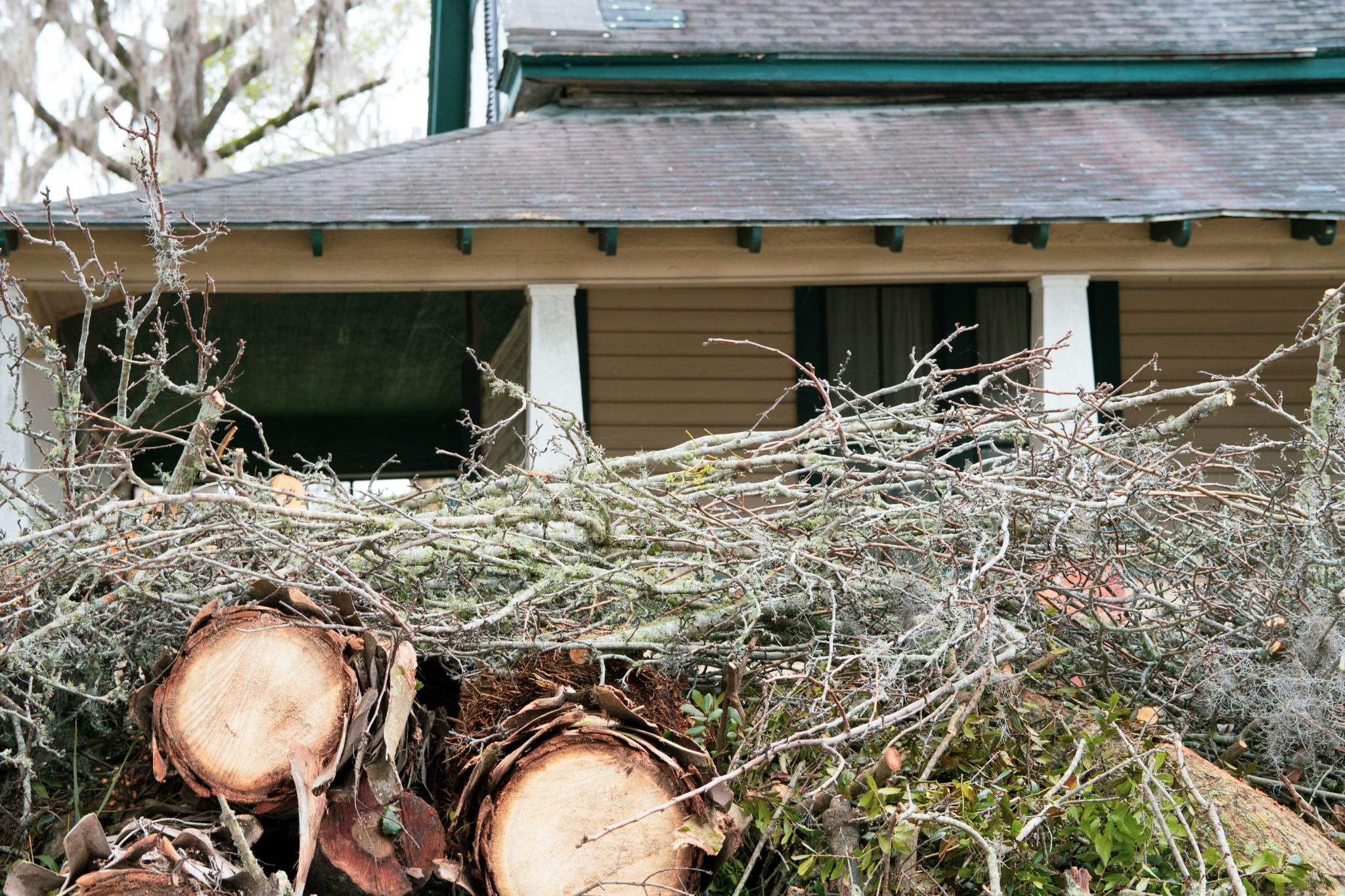
The following nine steps can improve your home's insurability and may expand the number of carriers willing to quote it:
- Schedule a wind mitigation inspection, typically $75–$150, to document roof shape, opening protection, and roof-to-wall connections.
- Replace or recertify an aging roof before it becomes a reason for decline instead of after.
- Update outdated electrical, plumbing, or HVAC systems, and keep permits and receipts on file.
- Install storm shutters or impact-rated windows and doors where your budget allows.
- Clear brush, dead trees, and other defensible-space hazards from around the structure.
- Bundle your home policy with auto or an umbrella policy for extra liability protection, since some carriers favor multi-policy households.
- Raise your hurricane deductible if you can comfortably absorb a higher out-of-pocket cost after a named storm.
- Work with an independent agent who can compare quotes across carriers instead of applying one at a time.
- Review your coverage annually. Carrier appetite in Florida shifts year to year, so a decline today doesn't mean a decline in 12 months.
However, none of these guarantees approval with a specific carrier, since coverage and pricing vary by carrier, property, and inspection results, but each one narrows the gap between your home and a standard-market policy.
The Future of Home Insurance in Florida
Florida's home insurance market is trending toward stabilization after several difficult years. Citizens Property Insurance's policy count has fallen to roughly 278,700 as of late June 2026, down from a 2023 peak of 1.41 million, as private carriers have returned to write new business.
Since the Florida Legislature's 2022 and 2023 litigation reforms curbed assignment-of-benefits abuse and one-way attorney fees, property insurance lawsuit filings have declined significantly, though the figures come from industry tracking.
At least 17 new or returning carriers have entered the market since the reforms, and Citizens approved an average 8.8% rate cut for homeowners multiperil policyholders in 2026, its first reduction in years, effective July 1. Separately, Citizens' 2026 reinsurance program came in about 20% cheaper overall than 2025, reflecting the same improved market conditions.
None of this guarantees any individual homeowner's renewal will drop, since rates are set carrier by carrier and county by county, but the overall direction for Florida's insurance market is improving for the first time in years.
Final Thoughts
Getting home insurance in Florida is still hard, more than in most states, but it's far from impossible, and it's getting easier. Hurricane risk, older homes, and stricter underwriting mean some homeowners get declined by their first carrier, or even their third. That's rarely the end of the road: fixing insurability issues, considering Citizens as a bridge, and comparing carriers through an independent agent cover most situations.
With more insurers writing new policies in 2026 than in recent years, comparing Florida home insurance quotes is more likely to turn up a workable option than it was even two years ago.
Is It Hard to Get Home Insurance in Florida? FAQs
#1. Is it expensive to get homeowners insurance in Florida?
Homeowners insurance in Florida is more expensive than the national average, with a statewide average around $3,757 a year for a policy with wind coverage. However, your actual cost depends heavily on your county, home age, roof condition, and wind mitigation features.
#2. Is it difficult to get home insurance in Florida?
It's more difficult than in most states, but improving conditions in 2026 mean most homeowners can still find coverage with some shopping around.
#3. What can cause a home insurance company to deny coverage in Florida?
A home insurance company can deny coverage in Florida for reasons like an aging roof, outdated electrical or plumbing systems, prior claims, proximity to the coast, or missing wind mitigation credits. Most denials trace back to a specific, fixable underwriting issue rather than the property being uninsurable overall.
#4. Can I get homeowners insurance with an old roof in Florida?
You can often get homeowners insurance with an old roof in Florida, though some carriers cap eligible roof age or offer only actual-cash-value settlement instead of full replacement cost. A roof certification or partial replacement typically opens up more carrier options.
#5. How can I get cheaper home insurance in Florida?
You can work toward cheaper home insurance in Florida by getting a wind mitigation inspection, raising your hurricane deductible, bundling policies, and comparing quotes across multiple carriers instead of automatically renewing with one insurer. Rates can vary by thousands of dollars for the same home.
If you’re a homeowner in Florida, having the right insurance coverage is essential to protect your investment from hurricanes, floods, and other unexpected events. Learn more about the different coverage options, policy requirements, and ways to save by visiting our detailed guide to Florida homeowners insurance.

Get a
Florida Home Insurance
Quote



.avif)













To see how Worth can reduce your risk.
Get a Free Quote


