Florida Homeowners Insurance Age Requirements: Coverage for Seniors & Retirees
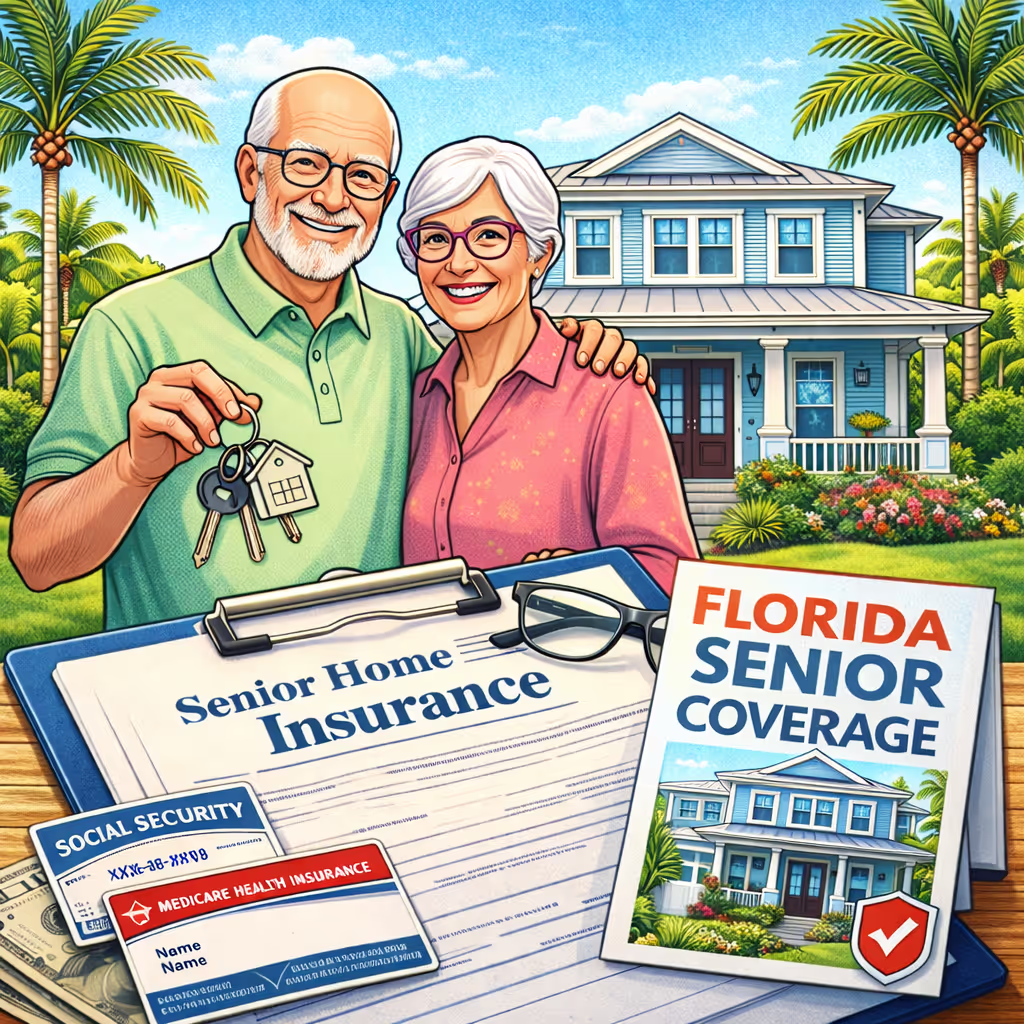
Florida homeowners insurance has no specific age requirements that prevent seniors or retirees from obtaining coverage. Insurance companies cannot legally deny you a policy based solely on your age. However, the age of your home matters significantly to insurers, and older homeowners often face unique circumstances that affect their coverage options, including fixed incomes, older properties, and changing insurance needs as they age.
Florida's large retiree population means insurance companies have developed products and discounts specifically for older homeowners.
Many carriers offer senior discounts starting at age 55 or 65, recognizing that retirees often maintain their homes better and file fewer claims than younger homeowners. Understanding how to navigate the insurance market as a senior can help you find appropriate coverage at competitive rates.
How Age Affects Your Florida Home Insurance
Your personal age and your home's age both influence your insurance experience in different ways. Knowing the distinction helps you understand what insurers are actually evaluating.
Insurance companies cannot discriminate based on your age when writing homeowners policies. The Fair Housing Act and state insurance regulations prohibit age-based denial of coverage. If an insurer tells you they won't write your policy because of your age, that's likely illegal and worth reporting to the Florida Department of Financial Services.
What insurers can and do consider is your home's age. A 70-year-old homeowner living in a newly built home faces different underwriting than a 35-year-old living in a 1950s bungalow. The property's characteristics, not the owner's birthdate, drive most underwriting decisions.
According to the U.S. Census Bureau's American Community Survey, Florida has the highest percentage of residents aged 65 and older of any state, at approximately 21% of the population. This demographic reality means Florida insurers are well-accustomed to working with senior homeowners and have developed products suited to their needs.
That said, some indirect age-related factors can affect your insurance experience. Retirees on fixed incomes may need to balance coverage needs with budget constraints. Older homeowners may have lived in their homes for decades, meaning the property itself has aged. And seniors may have different liability considerations, such as in-home caregivers or medical equipment.
Senior Discounts on Florida Home Insurance
Many Florida insurance companies offer discounts specifically for older homeowners. These discounts recognize that seniors often present lower risk due to lifestyle factors and home maintenance habits.
Retiree or senior discounts typically begin at age 55 or 65, depending on the carrier. The reasoning is straightforward: retirees spend more time at home, which means problems like water leaks or break-ins are caught sooner. They also have more time for home maintenance and are statistically less likely to file certain types of claims.
The discount amount varies by insurer but typically ranges from 5% to 15% of your premium. On a Florida policy costing several thousand dollars annually, even a 5% discount provides meaningful savings.
Not all companies offer senior discounts, and those that do may have different qualifying ages and discount amounts. Ask specifically about age-related discounts when shopping for coverage, as agents don't always volunteer this information.
Some insurers offer additional discounts for being a long-term customer. If you've maintained coverage with the same company for many years, you may qualify for loyalty discounts that compound with senior discounts.
AARP membership provides access to insurance programs through partner carriers that may offer competitive rates for members. While AARP-branded insurance isn't always the cheapest option, it's worth comparing against other quotes.
For comprehensive information about all available discount opportunities, explore Florida home insurance resources.
Insurance Challenges for Older Florida Homes
The age of your home creates more insurance complications than your personal age ever will. Many seniors in Florida live in homes they've owned for decades, which means dealing with older construction that insurers view cautiously.
Homes built before 1994 predate many current Florida building code requirements for wind resistance. Insurers know these older homes perform worse in hurricanes and charge accordingly. If your home was built in the 1960s, 1970s, or 1980s, expect more scrutiny during the underwriting process.
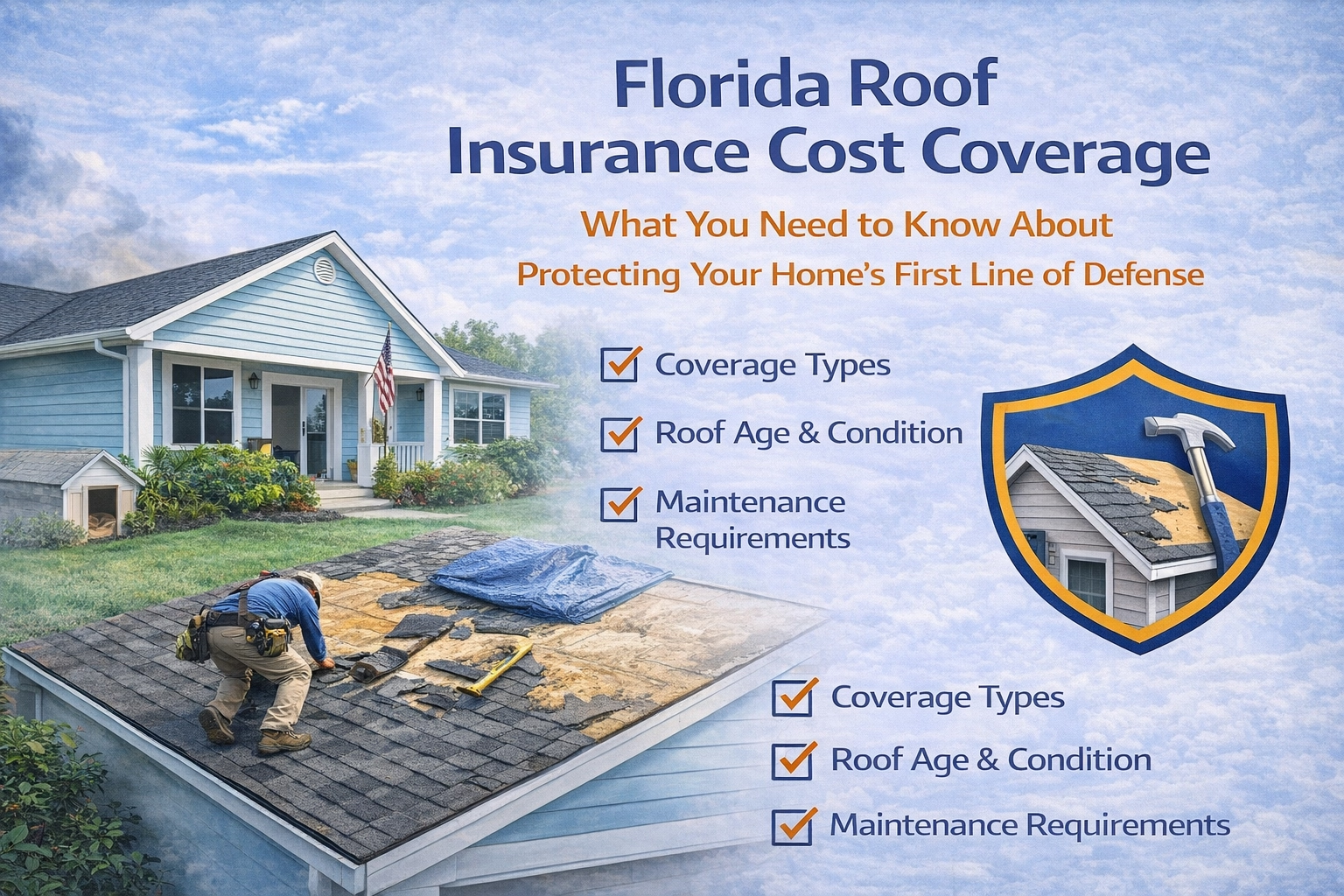
Roof age is perhaps the single biggest insurance issue for older Florida homes. Many carriers won't write new policies for homes with roofs over 15 years old, regardless of the roof's apparent condition. If your roof is approaching this threshold, budget for replacement before it becomes an insurance emergency.
Electrical systems in older homes may use outdated wiring types that insurers consider fire hazards. Homes with original fuse boxes, aluminum wiring, or knob-and-tube wiring often require electrical updates before carriers will provide coverage.
Plumbing in older homes presents similar concerns. Polybutylene pipes, common in homes built between 1978 and 1995, are prone to failure and may require replacement. Galvanized steel pipes in even older homes corrode over time and can cause water damage.
HVAC systems older than 15 to 20 years may raise underwriting concerns. While an older system won't necessarily prevent coverage, documenting regular maintenance helps demonstrate the system is properly cared for.
Four-point inspections evaluate roof, electrical, plumbing, and HVAC conditions and are commonly required for homes over 20 years old. These inspections cost approximately $100 to $150 and provide insurers with the information they need to make coverage decisions.
Fixed Income Insurance Strategies
Many Florida retirees live on fixed incomes, making insurance affordability a genuine concern. Balancing adequate protection with budget constraints requires strategic thinking.
Raising your deductible is one of the most effective ways to lower premiums. Going from a $1,000 to a $2,500 deductible can reduce your annual premium by 15% to 25%. However, you need to ensure you have savings available to cover the higher out-of-pocket cost if you file a claim.
Bundling home and auto insurance typically saves 10% to 25% on both policies. If you're not currently bundling, this represents one of the easiest savings opportunities available. Most major carriers offer bundle discounts.
Wind mitigation improvements earn significant discounts in Florida. Impact windows, hurricane shutters, and roof upgrades can reduce premiums by 15% to 45% depending on the improvements. While these require upfront investment, the annual savings often justify the cost over time.
Reviewing your coverage limits ensures you're not over-insured. As you pay down your mortgage or as your possessions change in value, your coverage needs may decrease. However, be careful not to under-insure your dwelling, as replacement costs have increased substantially.
Some retirees consider dropping certain coverages to save money, such as personal property coverage or liability protection. This approach is generally risky and not recommended, as the potential losses far exceed the premium savings.
If you're struggling to afford coverage, contact the Florida Department of Financial Services for resources and assistance programs that may help.
Coverage Considerations for Aging Homeowners
Insurance needs evolve as you age, and certain coverage types become more or less important over time.
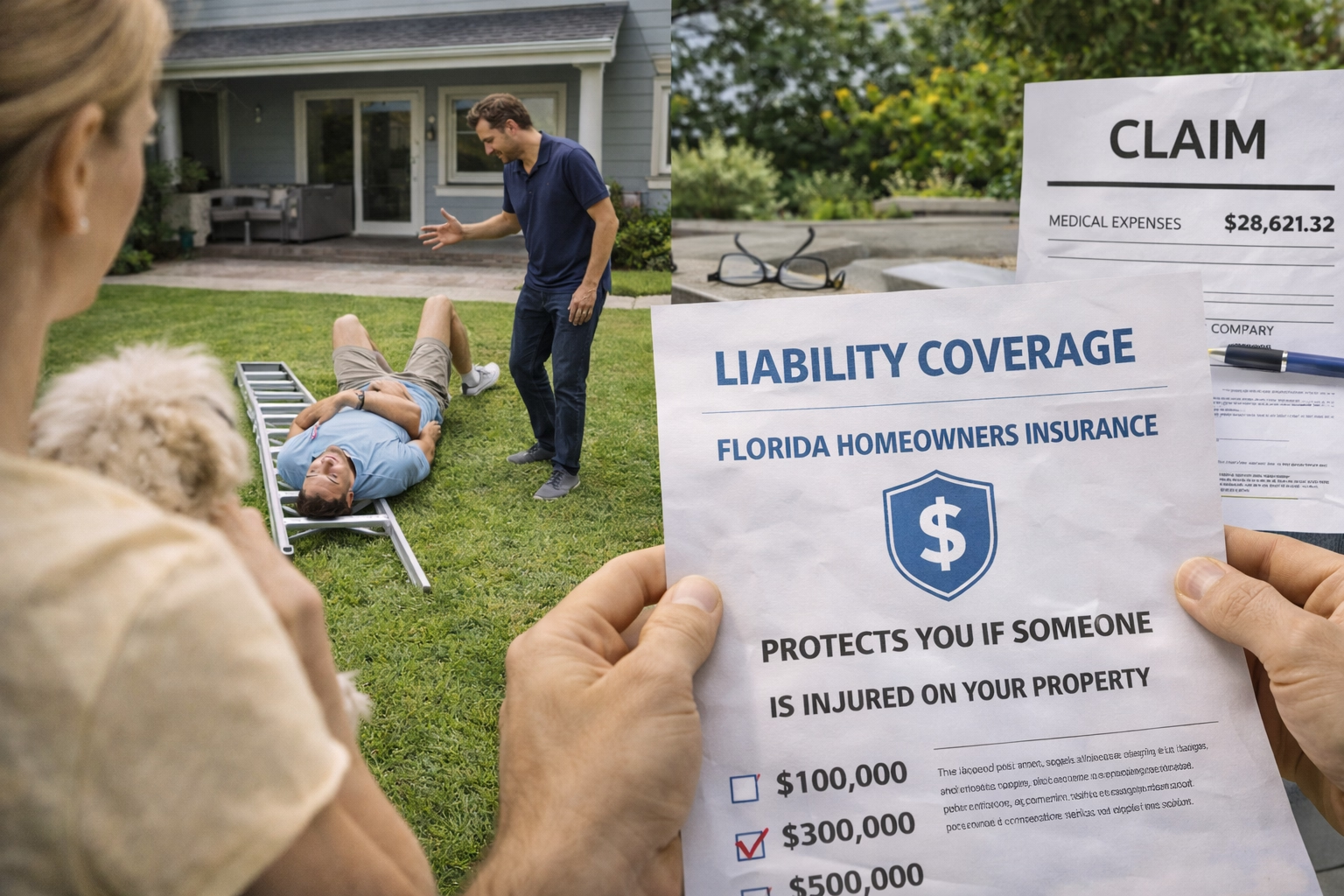
Liability coverage becomes increasingly important as you age. If you have in-home caregivers, regular visitors, or family members helping with maintenance, the risk of someone being injured on your property increases. Standard liability limits may not adequately protect retirees who have accumulated significant assets over their lifetimes.
Medical payments coverage within your homeowners policy pays for minor injuries to guests regardless of fault. For seniors who frequently host family visits or have grandchildren over, adequate medical payments coverage provides valuable protection.
Personal property coverage needs often change in retirement. You may have downsized possessions, or conversely, you may have valuable collections or heirlooms accumulated over a lifetime. Review whether your coverage limits match your actual belongings.
Additional living expenses coverage pays for temporary housing if your home becomes uninhabitable. For seniors on fixed incomes, having adequate coverage in this area is crucial because finding and affording temporary housing can be particularly challenging.
If you have medical equipment at home, such as oxygen concentrators, mobility devices, or hospital beds, confirm your policy covers these items. Some medical equipment may require scheduling as valuable items to ensure full coverage.
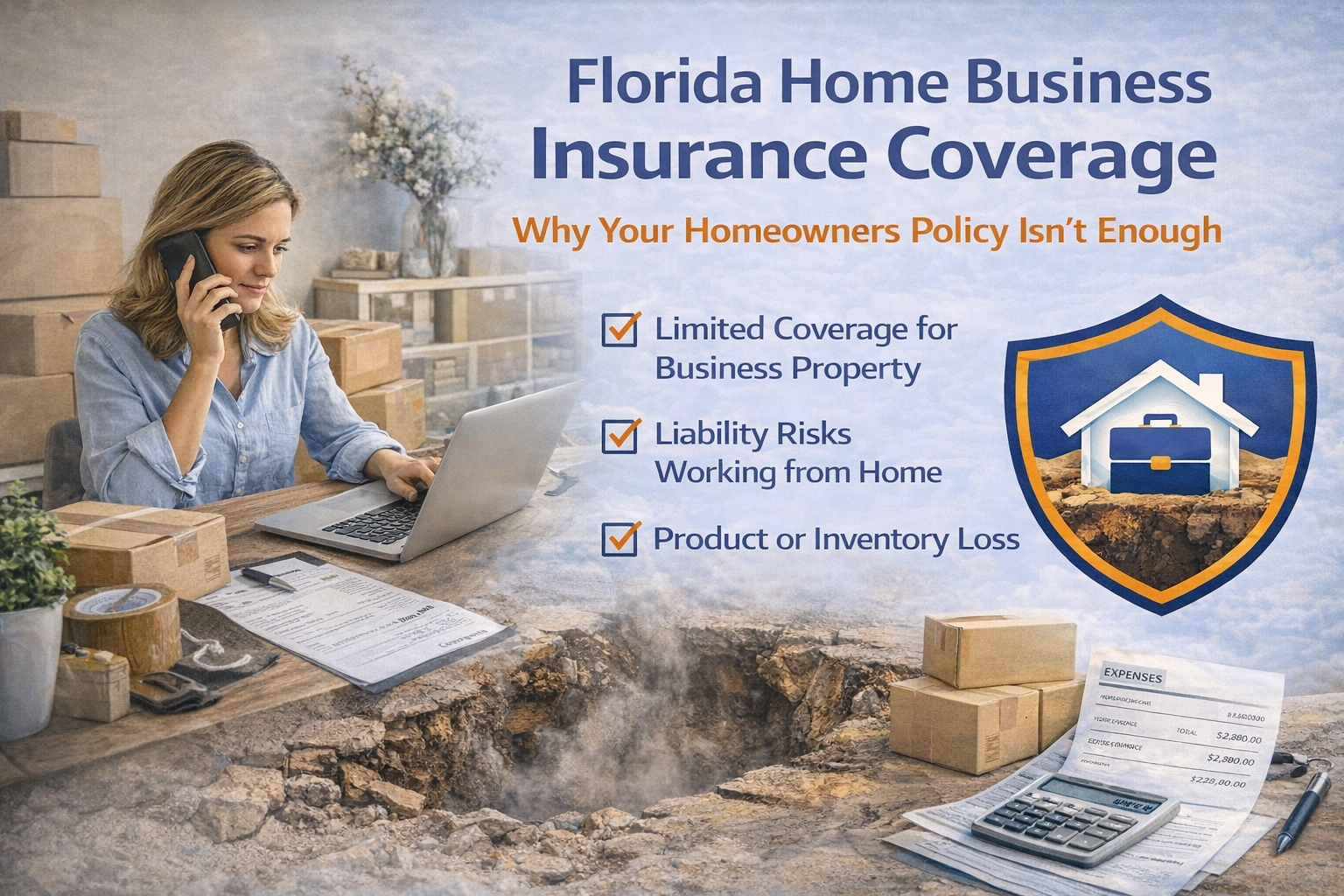
In-home business coverage may be relevant if you do any consulting, crafting, or other income-generating activities from home. Standard homeowners policies exclude business activities and equipment.
Preparing Your Home for Better Insurance Rates
Investing in your property pays dividends both in protection and insurability. For seniors planning to age in place, these improvements serve double duty.
Roof replacement is often the highest-impact improvement for insurance purposes. A new roof that meets current Florida building codes can dramatically improve your coverage options and rates. If your roof is over 15 years old, prioritize replacement.
Wind mitigation improvements including impact windows, hurricane shutters, reinforced garage doors, and roof tie-downs demonstrate to insurers that your property can better withstand storms. These features qualify for significant discounts.
Electrical system updates address one of the most common insurance concerns with older homes. Replacing outdated panels, upgrading wiring, and ensuring proper grounding can improve both safety and insurability.
Plumbing updates, including replacing problematic pipe types and addressing aging water heaters, reduce the risk of water damage claims that insurers worry about.
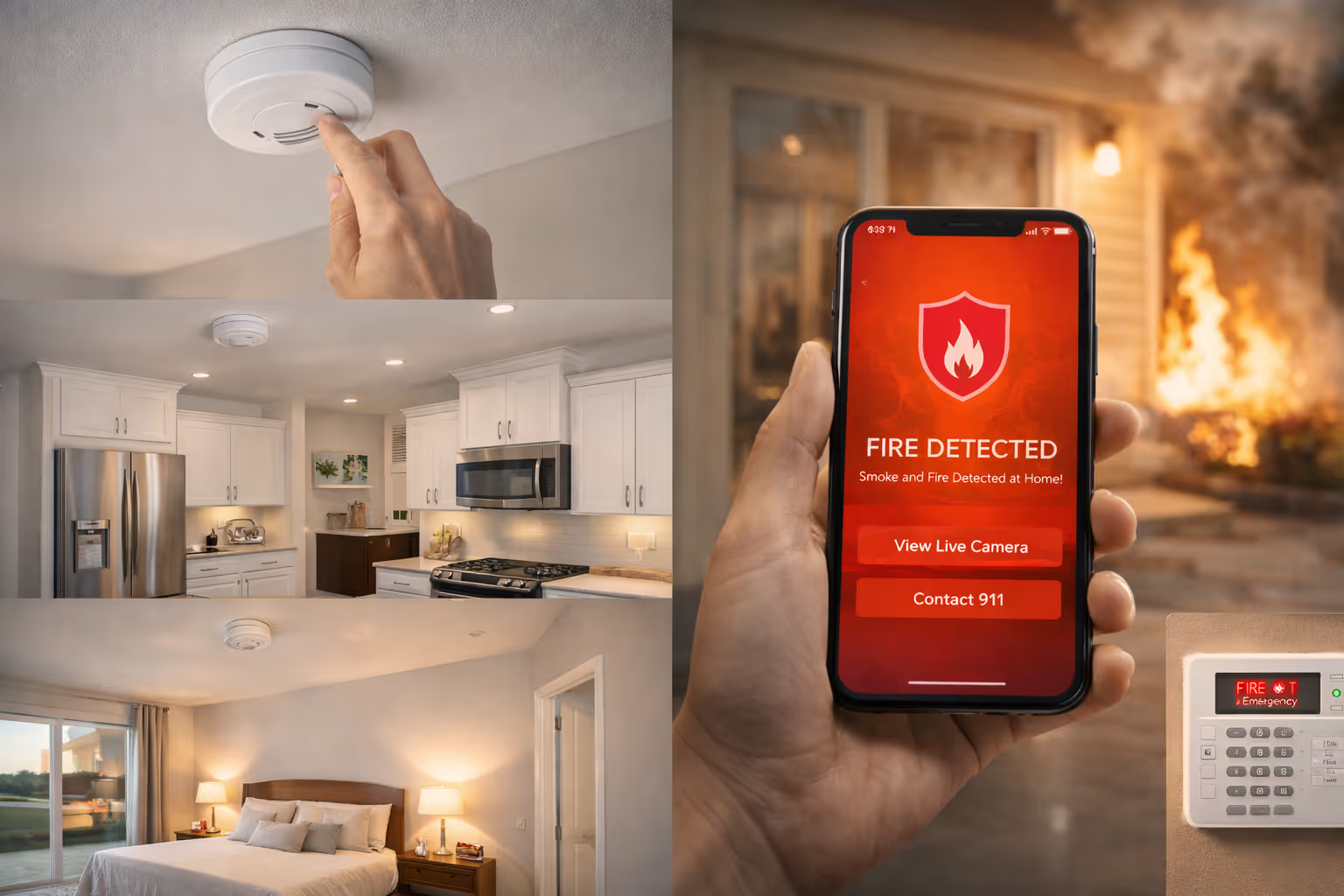
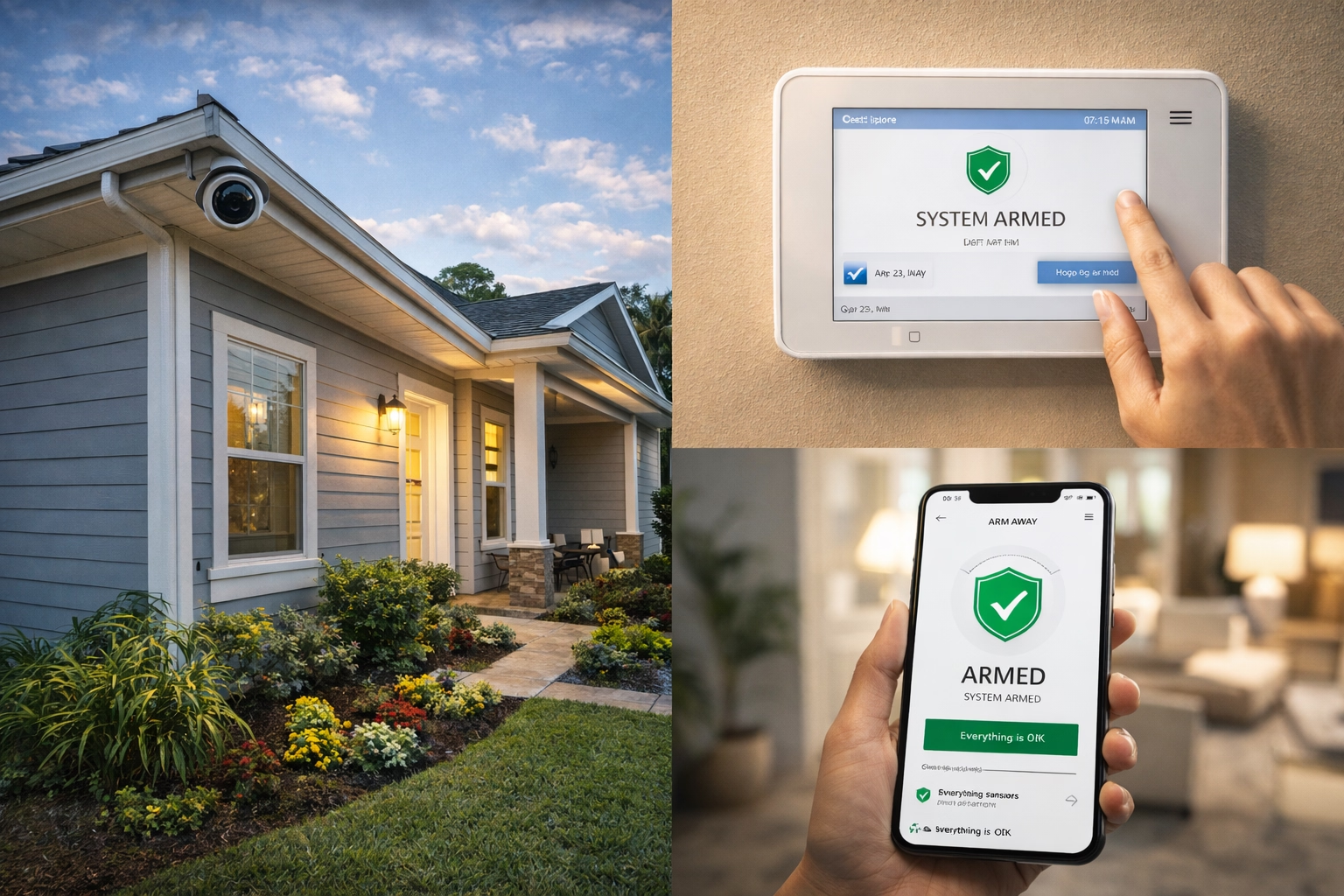
Smart home devices like water leak detectors, smart smoke alarms, and security systems may qualify for insurance discounts while also providing safety benefits for seniors living alone.
Many of these improvements also make homes safer and more comfortable for aging in place, creating alignment between insurance goals and livability goals.
Downsizing and Insurance Implications
Many Florida retirees eventually downsize from larger homes to condos, townhomes, or smaller single-family properties. Each transition has insurance implications worth understanding.
Moving to a condo changes your insurance needs significantly. You'll need an HO6 condo policy rather than a standard homeowners policy. Condo insurance covers your personal property, interior improvements, and personal liability, while the condo association's master policy covers the building structure. Understanding this division of coverage is essential. Learn more about Florida condo insurance requirements.
Townhome insurance depends on your ownership structure and HOA arrangements. Some townhome communities function like condos with master policies, while others require individual homeowners to insure the entire structure.
Downsizing typically reduces your dwelling coverage needs, which lowers premiums. However, don't automatically assume a smaller home means dramatically cheaper insurance. Location, construction type, and age still matter significantly.
If you're renting out your former home rather than selling it, you'll need landlord insurance instead of standard homeowners coverage. Florida landlord insurance provides appropriate protection for rental properties.
Moving to a 55+ community may come with HOA requirements for insurance coverage. Review community rules to ensure compliance while avoiding unnecessary duplicate coverage.
Working with Insurance Professionals
Navigating Florida's insurance market as a senior benefits from professional guidance, particularly given the market's complexity and the specific needs of older homeowners.
Independent agents who represent multiple carriers can compare options across several companies simultaneously. They can identify which insurers offer senior discounts and which are most accommodating of older homes.
Agents familiar with senior insurance needs understand the balance between coverage and affordability that many retirees seek. They can recommend appropriate coverage levels without either over-insuring or leaving dangerous gaps.
If you're dealing with a challenging situation like a very old home, claims history, or unique property features, agents with access to specialty markets may find solutions standard carriers won't offer.
Be wary of insurance sales pitches specifically targeting seniors. While legitimate senior-focused products exist, some companies use aggressive marketing tactics aimed at older consumers. Work with licensed agents and verify any company's credentials with the Florida Department of Financial Services.
Worth Insurance understands the needs of Florida's senior homeowners and can help navigate the market to find appropriate coverage. Professional guidance is particularly valuable when dealing with older homes or complex insurance situations.
Planning Ahead for Insurance Needs
Proactive planning helps ensure you maintain coverage as you age, even as circumstances change.
Keep your home well-maintained to preserve insurability. Regular roof inspections, HVAC servicing, and attention to plumbing help prevent the deterioration that makes homes difficult to insure.
Build relationships with insurers before you need them desperately. If you're approaching major life transitions or your home is aging, start exploring options before your current policy non-renews.
Document home improvements with receipts and photos. This documentation supports insurance applications and can help with claims if they become necessary.
Consider long-term care insurance separately from homeowners insurance. While homeowners policies cover property and liability, they don't cover medical care or assisted living needs that may arise as you age.
Review beneficiary designations and ensure your insurance coverage coordinates with your overall estate plan. Your attorney or financial advisor can help ensure proper alignment.
Stay informed about Florida's insurance market changes. New laws, carrier entries and exits, and rate trends all affect your options. Annual reviews of your coverage help ensure you're getting competitive rates and appropriate protection.
Frequently Asked Questions About Florida Home Insurance for Seniors
Can insurance companies deny coverage based on my age?
No, insurance companies cannot legally deny homeowners coverage based solely on your age. The Fair Housing Act and Florida insurance regulations prohibit age-based discrimination. However, insurers can and do consider your home's age, which may create complications for seniors living in older properties. If you believe you've been denied coverage due to your age, report the situation to the Florida Department of Financial Services.
What senior discounts are available on Florida home insurance?
Many Florida insurers offer senior or retiree discounts ranging from 5% to 15% off premiums. These discounts typically begin at age 55 or 65, depending on the carrier. Not all companies offer these discounts, so ask specifically when shopping for coverage. AARP membership may provide access to additional insurance programs with competitive rates for older homeowners.
How does my home's age affect insurance if I'm a senior?
Your home's age matters more to insurers than your personal age. Homes built before 1994 face more scrutiny because they predate current Florida building codes. Roofs over 15 years old, outdated electrical systems, and old plumbing can make coverage difficult to obtain. Four-point inspections evaluating these systems are commonly required for homes over 20 years old.
What is a four-point inspection and why do seniors often need one?
A four-point inspection evaluates your home's roof, electrical system, plumbing, and HVAC to assess their condition. Insurance companies typically require this inspection for homes over 20 years old. Since many seniors live in homes they've owned for decades, these inspections are common. The inspection costs approximately $100 to $150 and helps insurers understand the risks of covering older properties.
How can retirees on fixed incomes afford Florida home insurance?
Strategies include raising your deductible to lower premiums, bundling home and auto insurance for discounts, and investing in wind mitigation improvements that earn significant rate reductions. Review coverage limits to ensure you're not over-insured. Senior discounts and loyalty discounts can also reduce costs. Avoid dropping essential coverages like liability protection, as the potential losses exceed any premium savings.
Does moving to a condo change my insurance needs as a senior?
Yes, condo living requires an HO6 condo policy rather than standard homeowners insurance. Your policy covers personal property, interior improvements, and personal liability, while the condo association's master policy covers the building structure. Understanding what the master policy covers versus what you need to cover personally is essential to avoid gaps or unnecessary overlaps in protection.
What liability coverage do seniors need?
Seniors often need higher liability coverage than they might expect. If you have in-home caregivers, frequent visitors, grandchildren, or have accumulated significant assets over your lifetime, standard liability limits may be inadequate. Consider increasing liability coverage and potentially adding an umbrella policy for comprehensive asset protection.
Should I replace my roof before it causes insurance problems?
Yes, proactive roof replacement is generally advisable for older Florida homes. Many insurers won't write policies for homes with roofs over 15 years old. Waiting until your roof causes coverage problems limits your options and negotiating power. A new roof meeting current Florida building codes can dramatically improve both your coverage options and rates.
If you’re a homeowner in Florida, having the right insurance coverage is essential to protect your investment from hurricanes, floods, and other unexpected events. Learn more about the different coverage options, policy requirements, and ways to save by visiting our detailed guide to Florida homeowners insurance.

Get a
Florida Home Insurance
Quote





.avif)















To see how Worth can reduce your risk.
Get a Free Quote


