Florida New Home Insurance Discounts: Why New Construction Costs Less to Insure
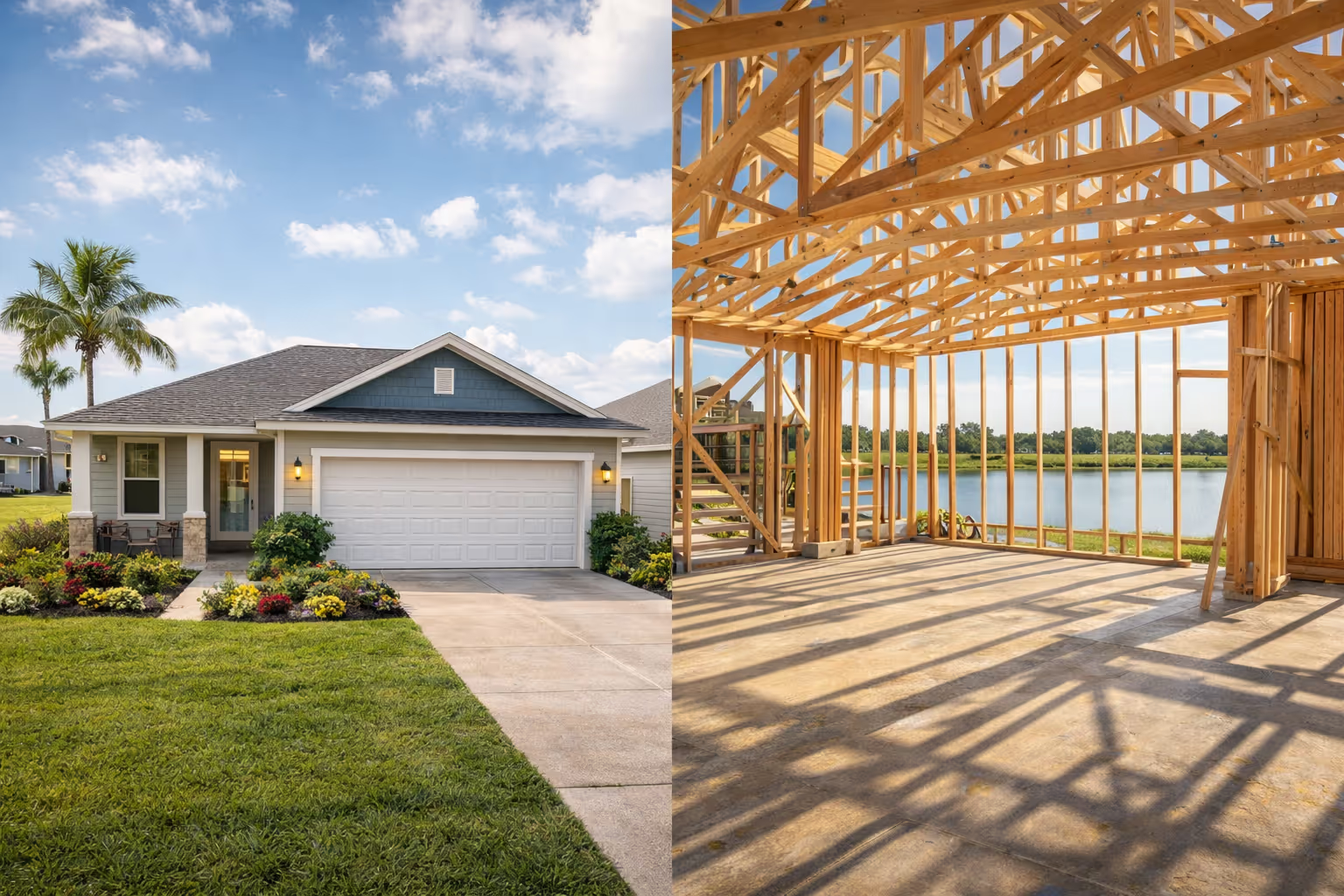
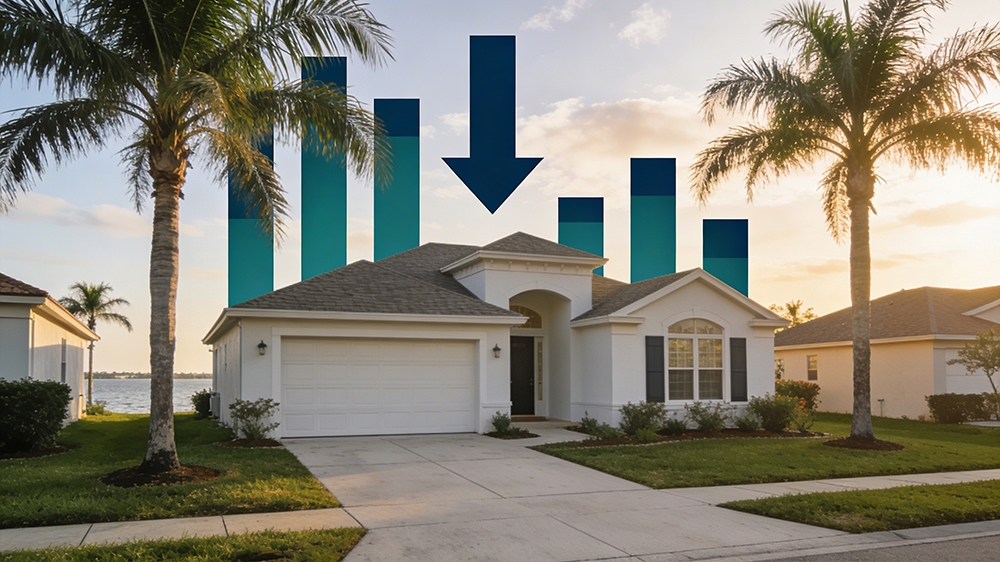
Florida new home insurance discounts reward homeowners who purchase or build newly constructed properties with premiums substantially lower than comparable older homes.
New construction built to current Florida Building Code standards resists hurricane damage better, incorporates modern electrical and plumbing systems that reduce fire and water damage risk, and includes features that older homes lack. Insurers recognize these reduced risks with discounts that can lower premiums by 20% to 40% compared to older properties in the same neighborhood.
In Florida's challenging insurance market where premiums have doubled or tripled for many homeowners, new construction offers a path to more affordable coverage. While new homes cost more to purchase than older equivalents, the ongoing insurance savings partially offset higher purchase prices. Understanding what discounts apply to new construction and how long they last helps buyers evaluate the true cost of homeownership when comparing new builds to existing homes.
Why New Homes Cost Less to Insure
Insurance pricing reflects risk, and new Florida homes present meaningfully lower risk than older properties. Several factors combine to make new construction more attractive to insurers.
Florida Building Code compliance represents the primary advantage. The current building code, substantially strengthened after Hurricane Andrew in 1992 and updated regularly since, requires construction features specifically designed to resist hurricane damage. Roof attachments, wall connections, opening protections, and structural elements must meet standards that older homes rarely match. Insurers know code-compliant homes suffer less damage in storms.
New roofs automatically meet insurer age requirements that challenge owners of older homes. With many Florida insurers requiring roofs under 15 years old, and some demanding under 10 years, new construction faces no roof-related coverage restrictions. The roof on a new home qualifies for maximum coverage terms and lowest rates from its first day.
Modern electrical systems eliminate risks from outdated wiring. Older homes may have aluminum wiring, undersized panels, or deteriorating connections that increase fire risk. New homes include modern copper wiring, properly sized electrical panels, arc fault circuit interrupters, and other safety features reducing electrical fire likelihood.
Current plumbing materials reduce water damage risk. New homes use PEX, copper, or CPVC piping rather than older galvanized steel or polybutylene that deteriorates and fails. Modern water heaters include safety features and proper installation meeting current codes.
HVAC systems in new homes operate efficiently and reliably, reducing both fire risk from faulty equipment and water damage from drain failures or condensation problems. Properly sized and installed systems last longer and cause fewer issues than aging equipment in older homes.
Impact-resistant features are often standard in new Florida construction. Many builders include impact-rated windows and doors as standard features given Florida's hurricane exposure. These features qualify for significant insurance discounts while protecting the home from storm damage.
Types of Discounts for New Construction
New homes qualify for multiple discount categories that compound to create substantial savings. Understanding each discount type helps you ensure you're receiving all applicable credits.
New home discounts specifically reward recently constructed properties. These discounts typically apply to homes under 1 to 3 years old, depending on the insurer, and may range from 5% to 20%. The discount recognizes that everything in the home is new and functioning properly with minimal deterioration.
Building code discounts apply to homes meeting current Florida Building Code standards. Since all new construction must meet current code, this discount applies automatically. Older homes renovated to current code standards may also qualify, but new construction qualifies without special documentation.
Wind mitigation credits generate the largest discounts for Florida homes, and new construction typically qualifies for maximum credits automatically. The Florida Building Code requires features that older homes often lack, including proper roof deck attachment, roof-to-wall connections, and opening protection. New homes receive wind mitigation discounts of 20% to 40% or more without needing retrofits.
Roof age credits reward new roofs with best-available rates and coverage terms. Since the roof is the most scrutinized component for Florida insurance, a brand-new roof positions you optimally with every insurer. No surcharges, restrictions, or actual cash value limitations apply to new roofs.
Electrical, plumbing, and HVAC credits from some insurers recognize updated systems. Not all insurers offer explicit credits for these systems, but having new components eliminates surcharges that older systems might trigger and contributes to overall favorable pricing.
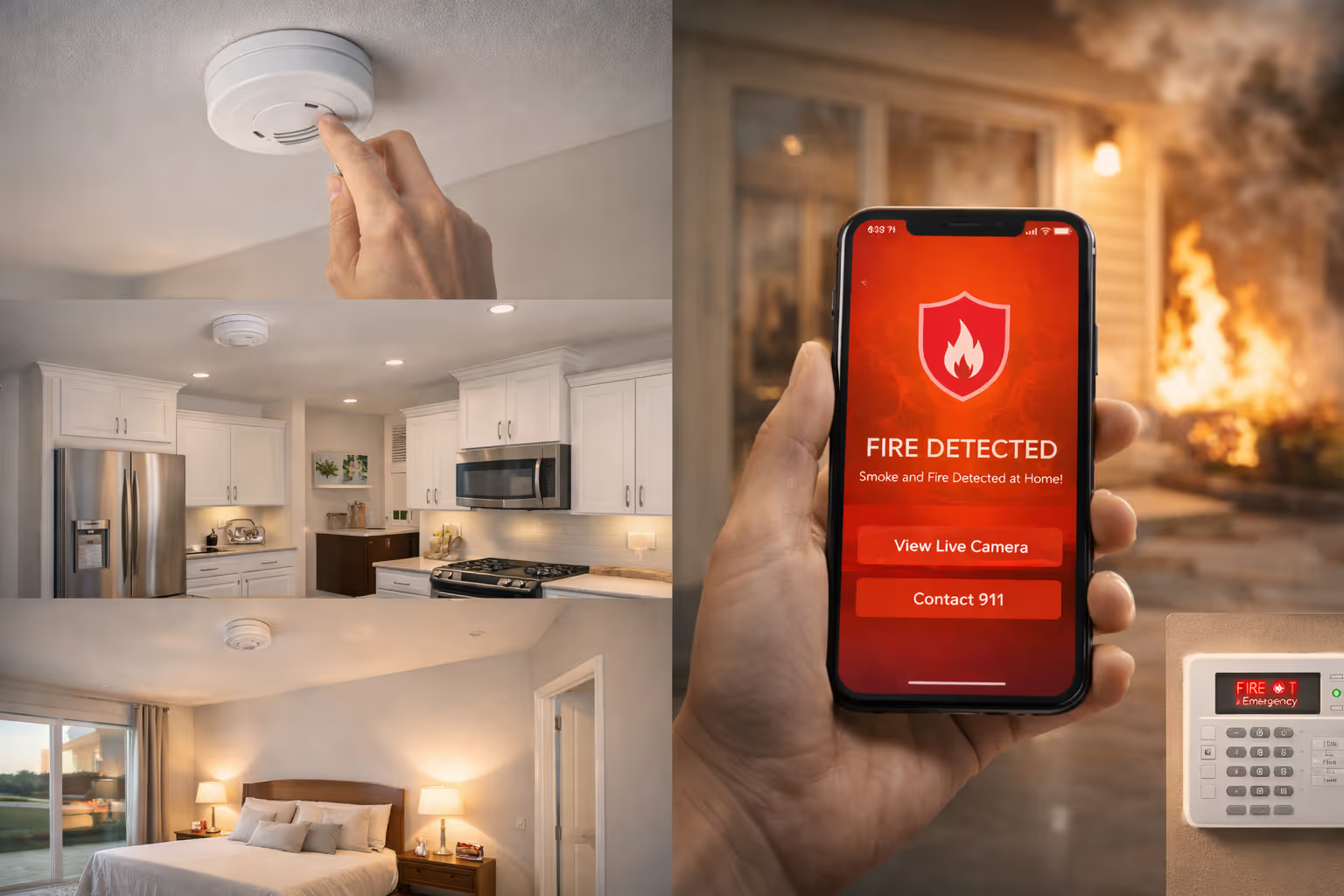
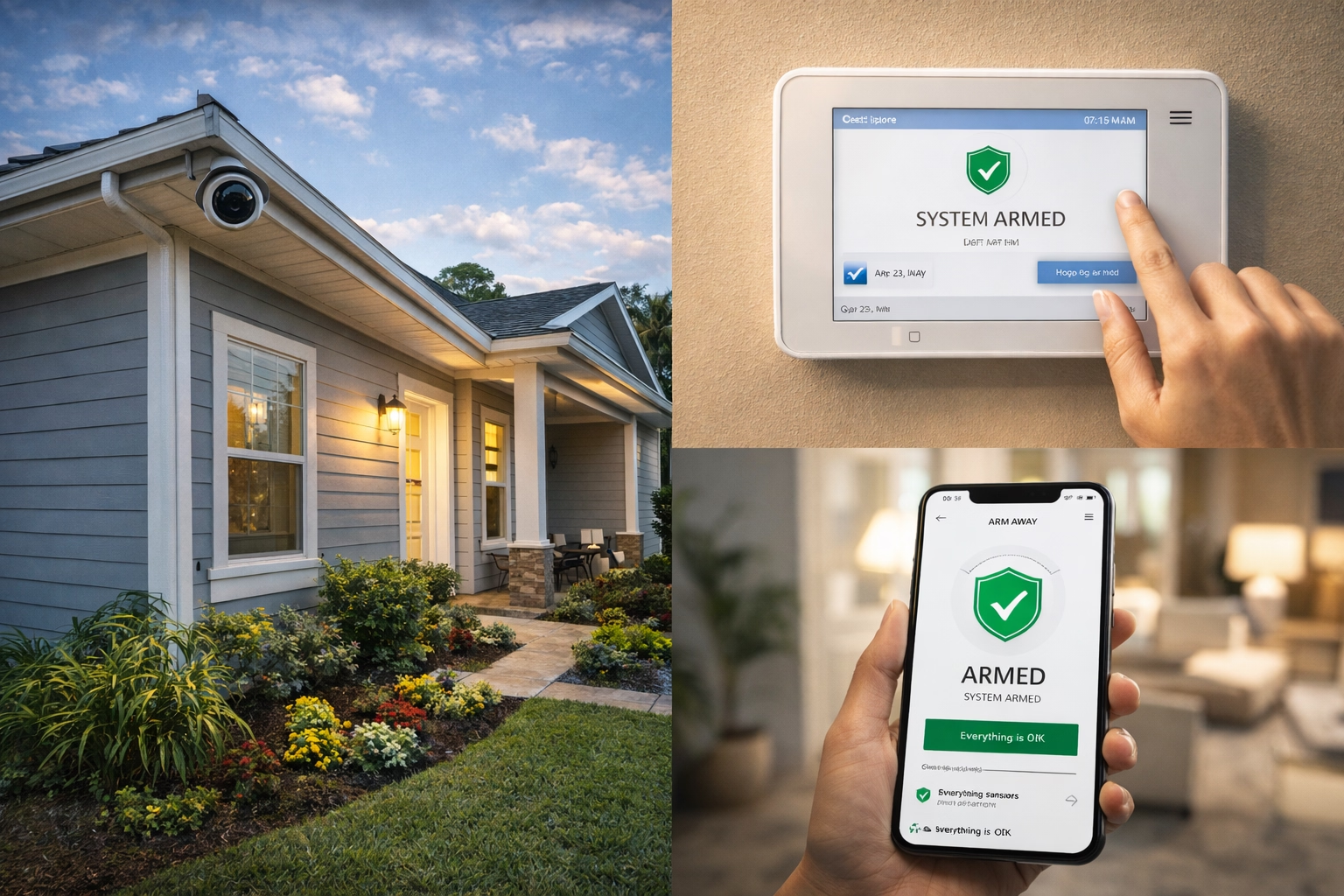
Protective device discounts apply if your new home includes security systems, smoke detectors, fire sprinklers, or water leak detection systems. Many builders include these features as standard or optional upgrades. Each protective device generates small additional discounts that compound with other credits.
How Long New Home Discounts Last
New home advantages don't last forever. Understanding how discounts phase out helps you plan for future premium changes.
Explicit new home discounts typically apply for the first 1 to 5 years after construction, depending on the insurer. Some companies offer maximum discounts for year one then reduce them annually until they phase out entirely. Others maintain flat discounts for a set period then eliminate them completely.
Wind mitigation credits remain as long as your home maintains the qualifying features. Since these credits relate to construction characteristics rather than home age, they continue indefinitely. Your home won't lose wind mitigation discounts simply because it ages, though you may need periodic reinspection to confirm continued compliance.
Roof age advantages erode as your roof ages. A new home with a new roof receives optimal treatment, but as years pass, you'll eventually face the same roof age considerations as other homeowners. Planning for roof replacement every 15 to 25 years depending on material helps you budget for maintaining insurability.
Building code credits persist since your home doesn't stop meeting the code it was built under. However, building codes update over time, and a home built to 2024 code may eventually seem outdated compared to homes built to 2040 code. This gradual obsolescence happens slowly and matters primarily for resale rather than insurance.
System age eventually becomes a factor. New electrical, plumbing, and HVAC systems are advantages today, but in 20 or 30 years they'll be the aging systems concerning insurers. Maintaining and eventually updating these systems preserves your favorable insurance position.
Premium increases from losing discounts combine with general market increases over time. Budget for premiums to rise both because new home discounts phase out and because Florida's insurance market generally sees upward pressure. A policy costing $2,500 in year one might cost $4,000 or more in year ten even without claims.
Documenting New Construction for Insurance
Proper documentation ensures you receive all applicable discounts. Gathering the right paperwork during and after construction streamlines insurance applications.
Certificate of Occupancy from your local building department confirms construction completion and code compliance. This document verifies your home passed all required inspections and meets current building standards. Keep copies permanently as proof of code-compliant construction.
Wind mitigation inspection reports document specific hurricane-resistant features in your home. While new homes typically qualify for maximum credits based on code compliance, a formal wind mitigation inspection provides documentation insurers require. Some insurers accept builder certifications initially but eventually require formal inspections.
Builder specifications detailing construction materials, methods, and features help insurers understand exactly what was built. Impact window schedules, roof material specifications, and structural details support discount applications.
Permit records showing all inspections passed demonstrate proper construction. These records from your building department provide independent verification of code compliance beyond builder claims.
Appliance and system documentation including manuals, warranties, and installation records verify new systems. Water heater age, HVAC installation date, and electrical panel specifications may all affect insurance pricing.
Photos documenting construction and completed features provide visual evidence supporting your application. Roof installation photos, impact window labels, and other feature documentation can resolve questions about your home's characteristics.
New Construction Versus Older Home Insurance Costs
Comparing insurance costs between new and older homes reveals significant differences that affect overall homeownership costs. Understanding these differences helps buyers make informed decisions.
Premium differences of 20% to 40% or more are common between new construction and comparable older homes. A new home that would cost $4,000 annually to insure might cost $6,000 to $7,000 if it were 20 years old with original roof and systems. Over a decade of ownership, this difference amounts to $20,000 to $30,000 in savings.
Coverage availability differs significantly. New homes qualify for coverage from virtually any insurer writing Florida business. Older homes with aging roofs or systems may face limited options, potentially being declined by private insurers and forced to Citizens Property Insurance. New construction provides maximum market access.
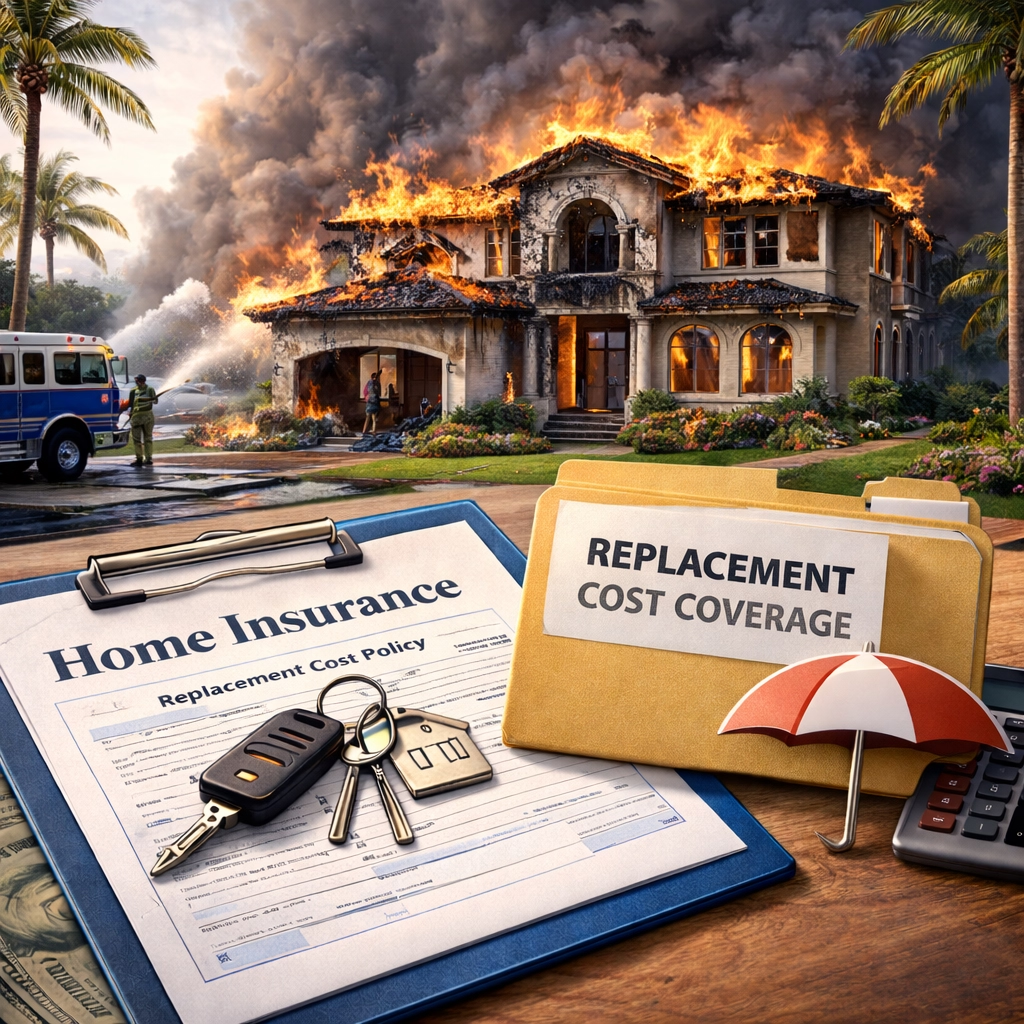
Coverage terms are typically more favorable for new homes. Replacement cost coverage without restrictions, lower deductibles, and broader policy forms may be available for new construction where older homes face actual cash value provisions, higher deductibles, or coverage limitations.
Deductible requirements may be lower for new construction. Some insurers offer lower hurricane deductible options for new homes meeting specific criteria. A 2% hurricane deductible option instead of 5% represents significant out-of-pocket savings if a hurricane strikes.
These insurance advantages should factor into new versus existing home purchase decisions. A new home costing $50,000 more than an older equivalent might cost $3,000 less annually to insure. Over ten years of ownership, the $30,000 in insurance savings offsets much of the price premium.
Builder Considerations for Insurance
Working with your builder during construction can enhance your insurance position. Understanding what matters for insurance helps you make smart choices during the building process.
Standard features versus upgrades affect insurance differently. Impact windows might be standard with one builder and an expensive upgrade with another. Understanding which features your builder includes as standard helps you compare true costs between builders and evaluate upgrade value.
Roof material choices affect both initial insurance rates and long-term costs. Metal roofs typically receive better insurance treatment than asphalt shingles due to longer lifespan and better wind resistance. Tile roofs fall somewhere between. The premium difference may justify upgraded roofing materials over time.
Opening protection through impact windows or hurricane shutters significantly affects insurance discounts. If your builder offers impact windows as an option, the insurance savings often justify the upgrade cost within a few years.
Security and safety features including monitored alarm systems, fire sprinklers, and water detection systems generate insurance discounts while providing genuine protection. Evaluate these features both for their insurance benefit and their primary protective value.
Documentation during construction helps future insurance applications. Request copies of all permits, inspections, and specifications before your final walkthrough. Builders are most responsive to documentation requests before you close and move in.
Builder warranties provide some protection against construction defects that could create insurance-relevant problems. Understanding warranty coverage helps you address issues properly if they arise during the warranty period.
Frequently Asked Questions
How much can I save on insurance with a new home in Florida? New construction typically costs 20% to 40% less to insure than comparable older homes. On a policy that would cost $5,000 for an older home, new construction might cost $3,000 to $4,000. Savings vary based on specific home features, location, and insurer. Over years of ownership, these annual savings compound to substantial amounts.
How long do new home insurance discounts last? Explicit new home discounts typically last 1 to 5 years depending on the insurer. However, wind mitigation credits based on construction features continue indefinitely. Roof age advantages persist until your roof ages enough to trigger surcharges, typically 15 to 20 years. The overall favorable treatment erodes gradually rather than ending suddenly.
Do all insurance companies offer new home discounts? Most Florida insurers offer some form of new construction discount, though amounts and terms vary. Some emphasize explicit new home discounts while others incorporate advantages through wind mitigation credits and favorable underwriting. Comparing quotes from multiple insurers reveals which values your new home most favorably.
What documentation do I need for new home insurance discounts? Key documents include your Certificate of Occupancy confirming code compliance, wind mitigation inspection report documenting hurricane-resistant features, builder specifications detailing construction materials, and permit records showing passed inspections. Gathering these documents during and immediately after construction simplifies insurance applications.
Does new construction automatically qualify for wind mitigation discounts? New homes built to current Florida Building Code typically qualify for substantial wind mitigation discounts automatically since the code requires many qualifying features. However, you still need a wind mitigation inspection to document these features for your insurer. The inspection confirms what the code requires but doesn't guarantee.
Should insurance costs affect my decision between new and existing homes? Insurance costs should factor into total ownership cost comparisons. A new home costing more to purchase but significantly less to insure may prove more affordable over time. Calculate projected insurance costs for each option over your expected ownership period. The difference often amounts to tens of thousands of dollars favoring new construction.
If you’re a homeowner in Florida, having the right insurance coverage is essential to protect your investment from hurricanes, floods, and other unexpected events. Learn more about the different coverage options, policy requirements, and ways to save by visiting our detailed guide to Florida homeowners insurance.

Get a
Florida Home Insurance
Quote




.avif)
















To see how Worth can reduce your risk.
Get a Free Quote


