Florida Identity Theft Coverage for Homeowners: Recovering When Your Identity Is Stolen
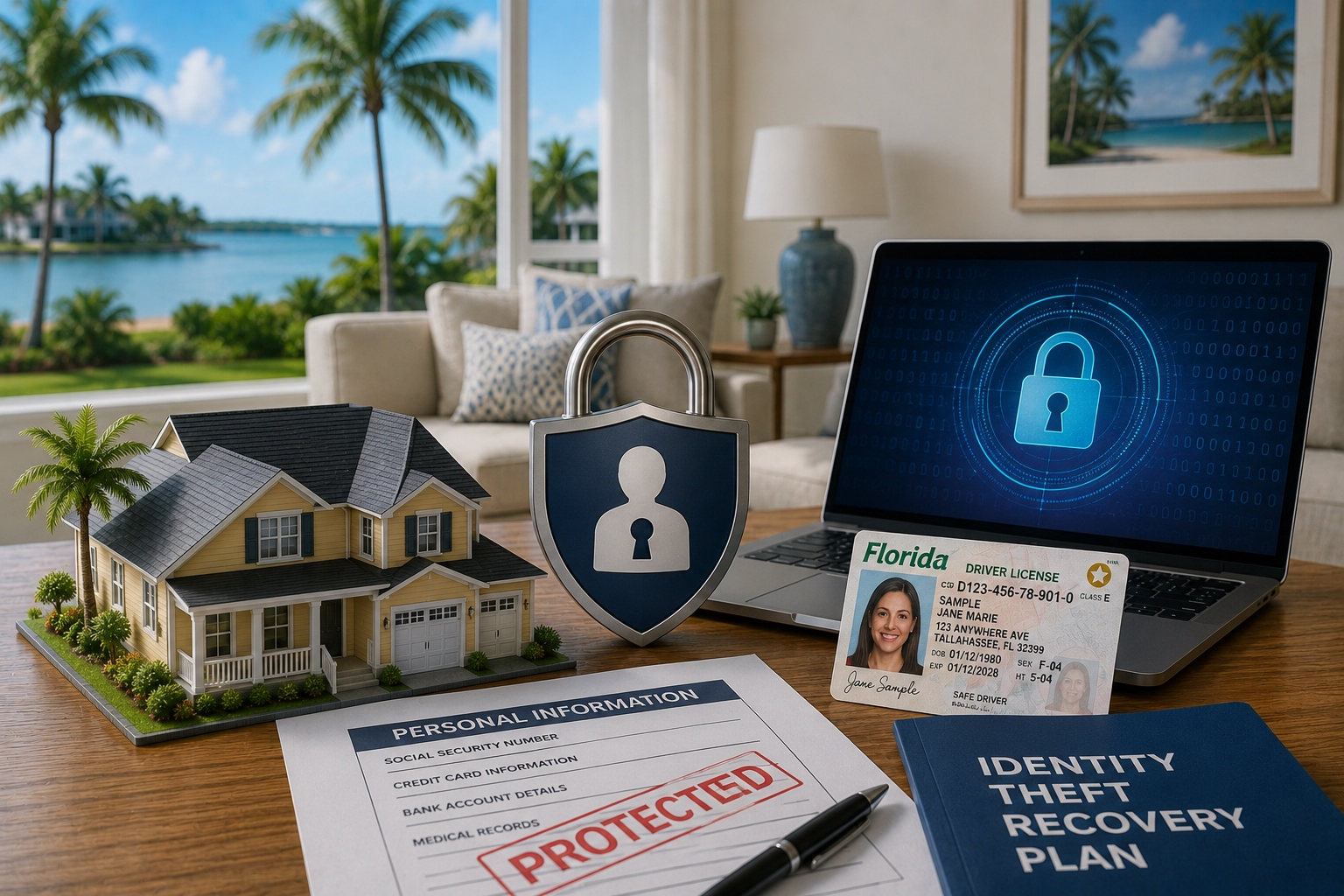
Florida identity theft coverage for homeowners helps you recover financially and administratively when criminals steal your personal information and use it fraudulently.
This coverage, available as an endorsement to most homeowners policies, pays for expenses associated with restoring your identity and credit after theft occurs.
Legal fees, lost wages from time spent resolving issues, costs of obtaining credit reports, notary fees, and certified mail expenses all add up quickly when you're fighting to reclaim your identity. Coverage typically ranges from $15,000 to $50,000 and costs only $25 to $50 annually, making it affordable protection against an increasingly common crime.
Florida consistently ranks among the top states for identity theft complaints. The state's large retiree population, high tourism volume, and active real estate market create fertile ground for identity criminals. Seniors are particularly targeted because they often have good credit, substantial savings, and may be slower to notice fraudulent activity.
Whether through data breaches, phishing scams, stolen mail, or sophisticated social engineering, identity theft can happen to anyone. Understanding what this coverage provides and how it helps you recover makes adding it to your homeowners policy an informed decision.
What Identity Theft Coverage Includes
Identity theft coverage addresses the practical expenses of recovering from identity theft rather than reimbursing stolen funds directly. Understanding what's actually covered helps you appreciate this protection's scope and limitations.
Lost wages reimbursement compensates you for time taken off work to address identity theft consequences. Meeting with police, visiting credit bureaus, consulting attorneys, and handling paperwork all consume time that may require missing work. Coverage typically reimburses lost wages up to specified limits, often $500 to $1,000 per week with aggregate caps.
Legal fees coverage pays for attorneys you hire to help resolve identity theft issues. When creditors pursue you for fraudulent debts, when you need help disputing inaccurate credit reports, or when criminal charges filed in your name require legal defense, attorney costs accumulate rapidly. Coverage limits typically range from $5,000 to $25,000 for legal expenses.
Loan reapplication costs arise when identity theft causes loan denials. If you're denied a mortgage because someone trashed your credit, then later clear your record, you may face new application fees, appraisal costs, and other expenses to reapply. Identity theft coverage addresses these costs.
Credit monitoring and report costs include fees for obtaining credit reports from all three bureaus, credit monitoring services during your recovery period, and fraud alert placement costs. While some of these services are free under certain circumstances, coverage ensures you're not paying out of pocket for necessary monitoring.
Notary and certified mail expenses accumulate when you're sending dispute letters, affidavits, and other documents requiring formal handling. These small costs add up over months of recovery efforts.
Phone and communication costs from long-distance calls, fax transmissions, and related expenses incurred while contacting creditors, bureaus, and authorities are covered under most identity theft provisions.
Mental health counseling costs are included in some policies, recognizing that identity theft creates significant emotional stress. If you need professional help coping with the violation and anxiety of having your identity stolen, some coverage extends to counseling expenses.
Case management services provided by many identity theft coverage programs connect you with specialists who guide your recovery. These professionals help you understand necessary steps, prepare documentation, and navigate complex dispute processes. This guidance often proves more valuable than the financial coverage itself.
What Identity Theft Coverage Doesn't Include
Understanding exclusions prevents unrealistic expectations about what this coverage accomplishes. Several significant limitations apply.
Stolen funds aren't reimbursed through identity theft coverage. If criminals drain your bank account or charge $10,000 on fraudulent credit cards, this coverage doesn't replace that money. Bank and credit card fraud protections, which typically limit your liability to $50 or zero, address stolen funds. Identity theft coverage handles recovery expenses, not the theft itself.
Direct financial losses from identity-related fraud fall outside coverage. If someone files a fraudulent tax return claiming your refund, identity theft coverage helps you sort out the IRS situation but doesn't reimburse the delayed refund.
Pre-existing identity theft occurring before coverage began isn't covered. You can't purchase coverage after discovering theft and expect it to pay for recovery from that incident.
Business-related identity theft may be excluded if your personal identity theft connects to business activities. Separate cyber insurance addresses business-related identity and data theft issues.
Family member theft by relatives who misuse your identity may face coverage limitations or exclusions depending on policy terms.
Voluntary information sharing that leads to identity theft may affect coverage. If you willingly provided information to someone who then committed fraud, coverage could be disputed.
The distinction between covered expenses and uncovered losses is important. Identity theft coverage helps you recover your identity and credit standing. It doesn't make you whole for money criminals stole.
The Identity Recovery Process
Understanding what identity theft recovery actually involves helps you appreciate why coverage for this process has value. Recovery is neither quick nor simple.
Discovery of identity theft often happens through denied credit applications, collection calls for unknown debts, unfamiliar accounts on credit reports, or IRS notifications about suspicious tax filings. The initial discovery is typically jarring and confusing.
Immediate steps include placing fraud alerts with credit bureaus, filing police reports, and documenting everything you discover about the fraudulent activity. These early actions establish your identity theft claim and begin protective measures.
Credit bureau disputes require contacting Equifax, Experian, and TransUnion to dispute fraudulent accounts and correct your credit reports. Each bureau has separate processes. Disputes must be specific, documented, and followed up persistently. Resolution can take months.
Creditor contacts involve reaching out to every company where fraudulent accounts were opened. You'll need to verify your identity, explain the fraud, close fraudulent accounts, and obtain documentation confirming fraud. Some creditors cooperate readily; others require persistent effort.
Federal Trade Commission reporting through IdentityTheft.gov creates an official record and generates a recovery plan. This report helps with creditor and bureau disputes.
IRS involvement becomes necessary if criminals filed fraudulent tax returns using your information. IRS identity theft cases can take months or years to resolve and require specific forms, documentation, and patience.
Ongoing monitoring continues long after initial recovery since criminals who have your information may attempt further fraud. Maintaining credit freezes, monitoring accounts, and staying vigilant becomes a permanent lifestyle change.
The cumulative time investment across all these activities can reach dozens of hours over many months. Lost wages, communication costs, documentation expenses, and potential legal fees accumulate throughout this extended process.
Florida's Identity Theft Landscape
Several factors make identity theft particularly relevant for Florida homeowners. Understanding the local landscape helps you evaluate your personal risk.
Demographic factors create elevated risk. Florida's large retirement population includes many seniors with established credit, savings, and sometimes diminished ability to monitor accounts closely. Identity thieves specifically target this demographic.
Real estate transaction volume in Florida's active property market creates identity theft opportunities. Home purchases involve sharing extensive personal and financial information with multiple parties. Data breaches at title companies, real estate agencies, or related businesses expose this sensitive information.
Tourism and transient population create identity theft vectors. Millions of visitors provide cover for criminals operating in the state. Transient populations make tracking and prosecuting identity thieves more difficult.
Mail theft in communities with cluster mailboxes, seasonal residents leaving mail unattended, and high-volume package delivery creates opportunities for information theft. Florida's many condo communities with central mail areas face particular vulnerability.
Hurricane-related fraud spikes after major storms when disaster-related scams proliferate. Criminals exploit insurance claims, contractor payments, and disaster assistance programs using stolen identities.
Synthetic identity fraud combining real and fictitious information has become increasingly common. Criminals may use your Social Security number with a different name and address, creating difficulties detecting the fraud until significant damage occurs.
Medical identity theft affects Florida's healthcare-intensive population. Criminals use stolen identities to obtain medical care, prescriptions, or insurance benefits, potentially corrupting your medical records and insurance history.
Choosing Identity Theft Coverage
Several factors influence your identity theft coverage decision. Evaluating your situation helps you determine appropriate protection.
Risk assessment considers your personal exposure. Do you conduct many online transactions? Have you experienced data breaches? Do you receive large volumes of mail at potentially vulnerable locations? Do your age or circumstances make you a likely target? Higher risk situations warrant stronger protection.
Coverage limits typically range from $15,000 to $50,000 for identity theft endorsements. Higher limits cost slightly more but provide greater protection for complex recovery situations. Consider whether minimum limits would actually cover extended recovery scenarios.
Case management services vary between policies. Some provide only expense reimbursement while others include dedicated recovery specialists who guide you through the process. The guidance component often provides more practical value than the dollar coverage.
Standalone versus endorsement decisions involve choosing between adding coverage to your homeowners policy or purchasing separate identity theft protection. Endorsements typically cost less and integrate with existing coverage. Standalone products may offer more features but add policy management complexity.
Premium costs for identity theft endorsements typically range from $25 to $75 annually. Given this modest cost, the decision often comes down to whether you want this protection at all rather than whether you can afford it.
Existing protections should be evaluated before purchasing coverage. Some credit cards include identity theft protection. Bank accounts may offer monitoring services. Employer benefits sometimes include identity protection. Avoid paying for duplicate coverage while ensuring no gaps exist.
Preventing Identity Theft
While coverage helps you recover from identity theft, prevention remains the best protection. Practical measures reduce your risk significantly.
Credit freezes prevent new accounts from being opened using your information. Freezing credit with all three bureaus blocks most identity theft attempts that involve opening fraudulent accounts. Freezes are free to place and lift when you need legitimate credit access.
Credit monitoring services alert you to new accounts, inquiries, or changes on your credit reports. Early detection limits damage and simplifies recovery. Many services are available free or at low cost.
Mail security involves promptly collecting mail, using locked mailboxes where possible, and opting for electronic delivery of sensitive documents. Informed Delivery from USPS lets you see scanned images of incoming mail, helping you identify stolen items.
Document shredding destroys papers containing personal information before disposal. Cross-cut shredders provide better security than strip-cut models.
Online security practices including strong unique passwords, two-factor authentication, avoiding public WiFi for sensitive transactions, and skepticism toward unsolicited contacts all reduce identity theft risk.
Social Security number protection means avoiding unnecessary sharing of this critical identifier. Many requests for SSN can be declined or alternative identifiers provided.
Account monitoring through regular review of bank statements, credit card transactions, and credit reports catches fraudulent activity early. Set up transaction alerts for immediate notification of account activity.
Tax filing timing by filing early reduces opportunity for fraudulent returns using your information. Criminals can't claim your refund if you've already filed.
Frequently Asked Questions
What does identity theft coverage actually pay for?
Identity theft coverage pays for expenses associated with recovering from identity theft, including lost wages while resolving issues, legal fees, loan reapplication costs, credit monitoring, notary fees, certified mail costs, and sometimes counseling expenses. It doesn't reimburse money criminals stole directly.
How much does identity theft coverage cost?
Identity theft endorsements on homeowners policies typically cost $25 to $75 annually, making this one of the most affordable coverage additions available. Coverage limits usually range from $15,000 to $50,000 for this modest premium.
Does identity theft coverage replace stolen money?
No. Identity theft coverage pays for recovery expenses, not stolen funds. Bank and credit card fraud protections typically limit your liability for fraudulent transactions to $50 or zero. Identity theft coverage helps you restore your credit and identity after theft rather than reimbursing what was stolen.
Why is identity theft coverage important in Florida?
Florida consistently ranks among top states for identity theft complaints. The state's large retiree population, active real estate market, high tourism volume, and hurricane-related fraud opportunities create elevated risk. Seniors, who are common in Florida, face particular targeting by identity criminals.
What should I do if my identity is stolen?
Immediately place fraud alerts with credit bureaus, file a police report, and document everything. Report the theft at IdentityTheft.gov for an official record and recovery plan. Contact creditors where fraudulent accounts exist. Consider placing credit freezes. Contact your insurance company if you have identity theft coverage.
Is identity theft coverage worth it?
For most homeowners, the modest $25 to $75 annual cost represents worthwhile protection given the substantial time, expense, and stress that identity theft recovery involves. The case management services many policies include often prove more valuable than the financial coverage itself.
If you’re a homeowner in Florida, having the right insurance coverage is essential to protect your investment from hurricanes, floods, and other unexpected events. Learn more about the different coverage options, policy requirements, and ways to save by visiting our detailed guide to Florida homeowners insurance.

Get a
Florida Home Insurance
Quote







.avif)






























To see how Worth can reduce your risk.
Get a Free Quote


