Florida Home Insurance Personal Property Coverage: Protecting Your Belongings
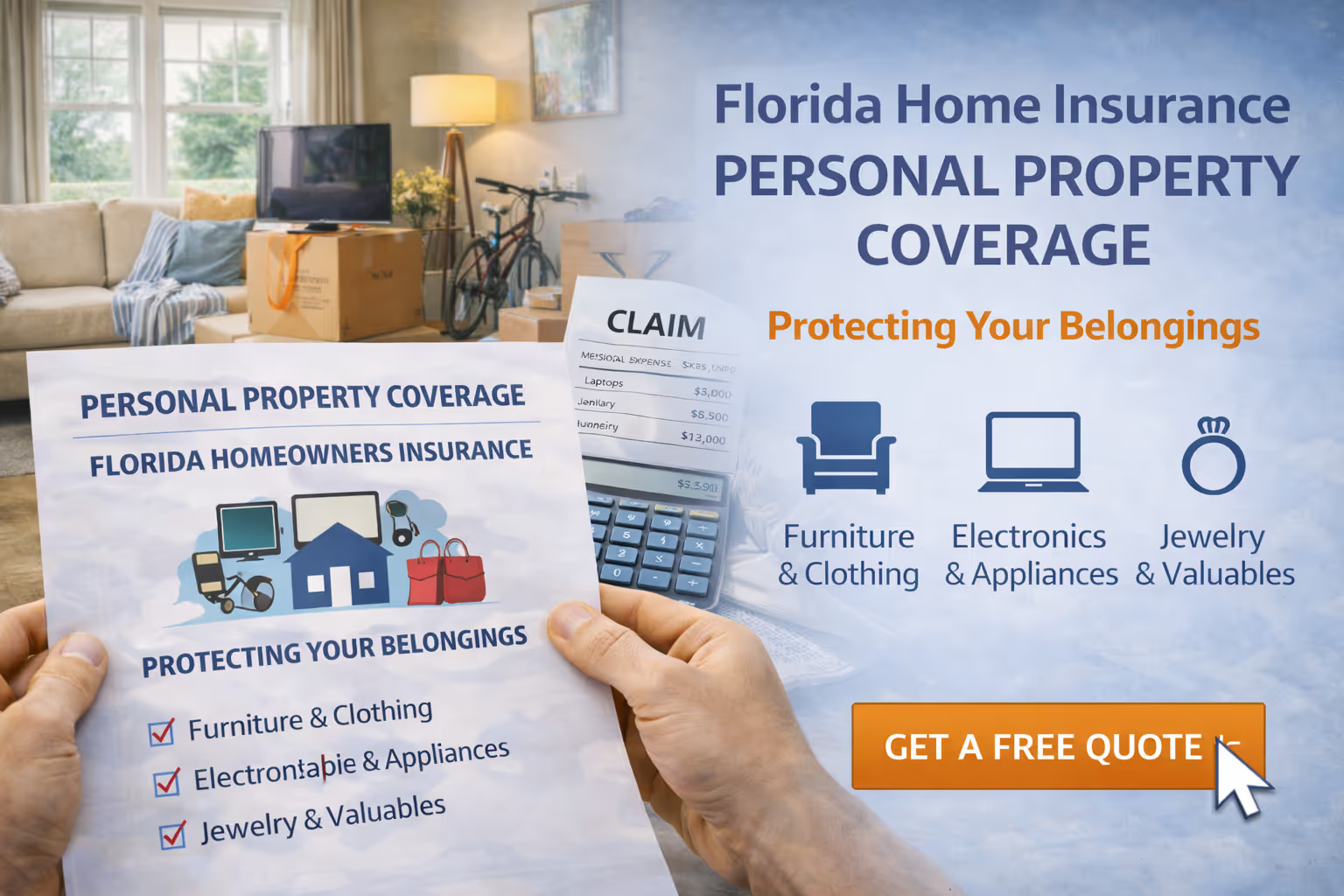
Florida home insurance personal property coverage, often called contents coverage, pays to repair or replace your belongings when they're damaged or destroyed by covered events. This includes furniture, electronics, clothing, appliances, and most other items you own.
Standard policies set personal property limits at 50% to 70% of your dwelling coverage, so a home insured for $400,000 typically includes $200,000 to $280,000 for contents. Whether this amount adequately protects your belongings depends on what you own and how your policy handles claims.
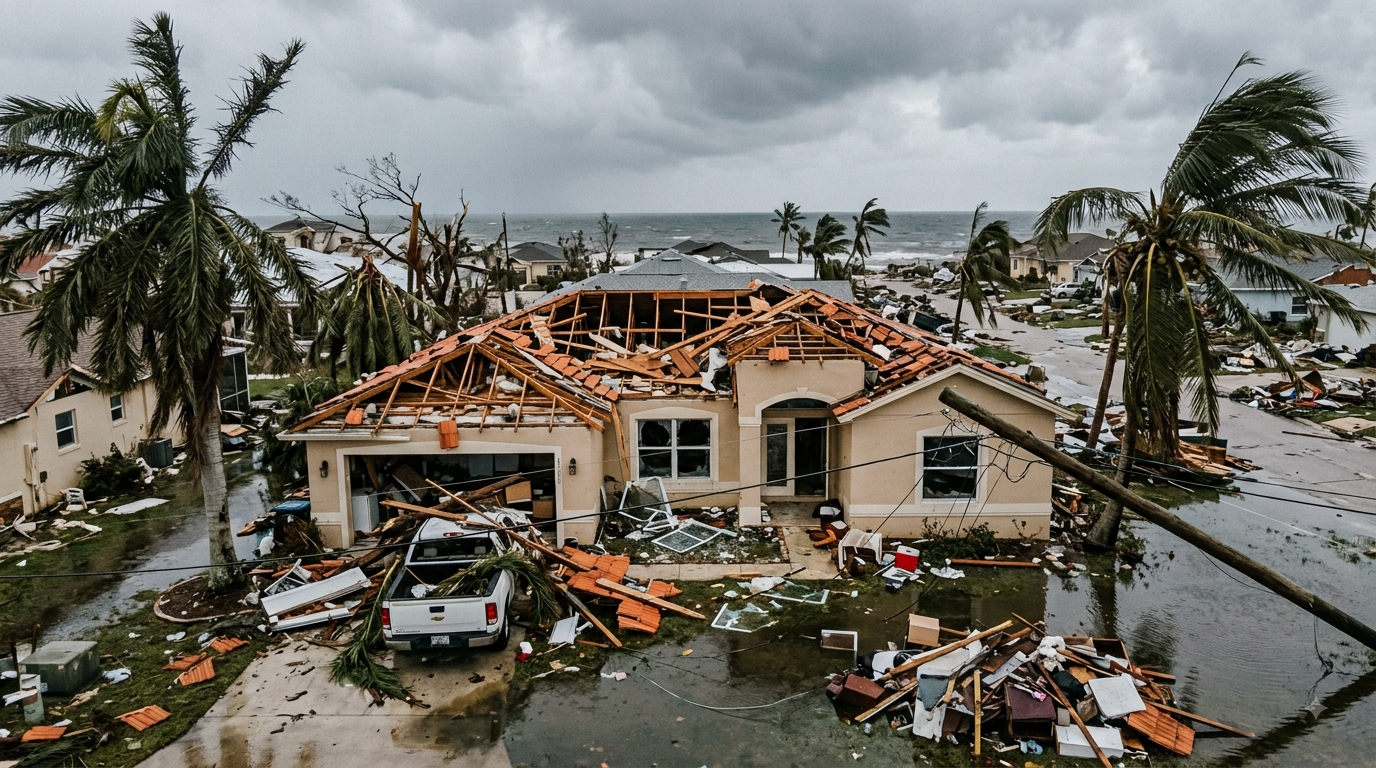
Personal property coverage matters enormously for Florida homeowners because hurricanes, tropical storms, and flooding can destroy everything inside a home in hours. After Hurricane Ian, thousands of Southwest Florida residents discovered that water-soaked furniture, ruined electronics, and destroyed clothing added up to far more than they'd estimated. Understanding how this coverage works before disaster strikes helps ensure you're properly protected.
How Personal Property Coverage Works
Your personal property coverage responds when covered perils damage or destroy your belongings. Standard Florida HO3 policies cover contents on a named perils basis, meaning the policy lists specific causes of loss that trigger coverage. These typically include fire, lightning, windstorm, hail, explosion, theft, vandalism, and several other named events.
Here's an important distinction many homeowners miss. While your dwelling coverage typically works on an open perils basis, covering any damage unless specifically excluded, personal property coverage under most policies only covers the perils explicitly listed. If your belongings suffer damage from something not named in the policy, you may not have coverage.
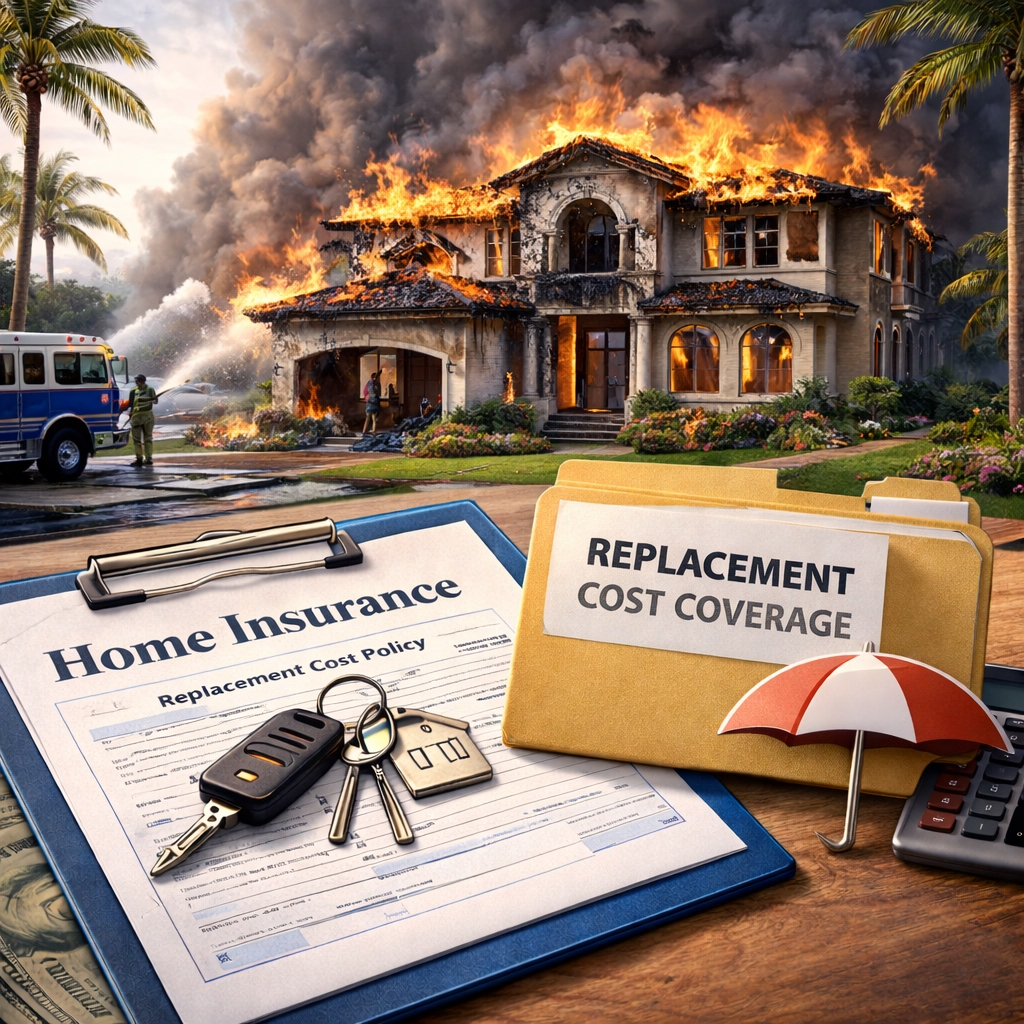
When you file a claim, your insurer can pay based on either actual cash value or replacement cost, depending on your policy. Actual cash value factors in depreciation, paying what your used items were worth at the time of loss. That five-year-old television you paid $1,200 for might only generate a $400 payment. Replacement cost coverage pays what it costs to buy a new equivalent item, which is almost always the better option for Florida home insurance policyholders.
What Personal Property Coverage Includes
Coverage extends to belongings throughout your home and typically includes items temporarily away from home as well. Your furniture, clothing, electronics, kitchen items, sporting equipment, books, decorations, and similar possessions all fall under personal property coverage.
Items in detached structures on your property, like a shed or detached garage, generally receive coverage too. If you store lawn equipment in a separate building and a fire destroys it, personal property coverage applies. The same goes for belongings in a storage unit you rent off-site, usually up to 10% of your personal property limit.
Your policy likely covers belongings anywhere in the world, which matters if luggage is stolen during travel or possessions are damaged while you're away. Coverage away from premises typically applies at 10% of your personal property limit, though some policies offer more.
Students living in dorms or off-campus housing often remain covered under their parents' policy up to certain limits. If your child heads to a Florida university, check whether their belongings have protection or whether they need renters insurance of their own.
Sub-Limits That Catch Homeowners Off Guard
Standard policies impose sub-limits on certain categories of belongings, capping how much the insurer will pay regardless of actual loss. These limits often fall far below what homeowners assume they're covered for.
Jewelry typically faces a $1,500 sub-limit for theft losses. If someone steals a $10,000 engagement ring, you'd receive only $1,500 under standard coverage. Similar limits apply to watches, furs, and precious stones. Cash on hand usually caps at $200, and securities or valuable papers at $1,500.
Firearms often face sub-limits around $2,500 for theft, though fire or other covered perils may pay higher amounts. Silverware and goldware might cap at $2,500. Electronics and computer equipment sometimes face limitations as well, particularly for home business use.
These sub-limits don't mean you can't protect valuable items. Scheduling specific items on your policy, sometimes called a personal articles floater, provides coverage up to each item's appraised value with no deductible. You'll pay additional premium, but you'll have actual protection for your most valuable possessions.
Creating a Home Inventory
Documenting your belongings before disaster strikes dramatically simplifies the claims process. A thorough home inventory proves what you owned, establishes values, and prevents the frustrating task of trying to remember possessions after they're destroyed.
Walk through each room with your phone, recording video that shows contents of closets, drawers, cabinets, and storage areas. Narrate as you go, noting brands, models, and approximate purchase dates for significant items. Open jewelry boxes, photograph artwork, and document serial numbers on electronics.
Store this documentation somewhere accessible even if your home is destroyed. Cloud storage, email to yourself, or copies kept with a relative outside Florida all work. Physical records kept only in your home offer no help if that home floods or burns.
Review and update your inventory annually, adding new purchases and removing items you've sold or discarded. Major purchases throughout the year, like new furniture or electronics, deserve immediate documentation. Keep receipts for significant items in your digital records.
Special Considerations for Hurricane and Water Damage
Florida's storm exposure creates particular challenges for personal property claims. Understanding what's covered and what isn't prevents confusion after a hurricane.
Wind-driven rain that enters through storm-damaged openings typically falls under your homeowners coverage. If a hurricane tears off roof shingles and rain soaks your furniture, that's generally covered. However, rising water, whether from storm surge, flooding rivers, or accumulated rainfall, requires separate flood insurance. Standard homeowners policies exclude flood damage entirely.
This distinction matters enormously because hurricanes cause both types of water damage simultaneously. After Ian, claims adjusters had to determine whether water came from above through wind damage or from below through flooding. Many homeowners discovered that their ruined belongings fell on the flood side of this line, leaving them without coverage.
If you live in a flood-prone area, the National Flood Insurance Program provides up to $100,000 in contents coverage through a standard flood policy. Private flood insurers may offer higher limits. This coverage specifically addresses the gap homeowners policies leave for rising water damage.
Replacement Cost vs. Actual Cash Value
The difference between these two payment methods significantly impacts your claim settlement. Actual cash value deducts depreciation before paying, while replacement cost pays to replace items with new equivalents.
Consider a living room full of furniture you purchased eight years ago for $8,000. At replacement cost, you'd receive enough to buy similar new furniture at today's prices, perhaps $10,000 given inflation. At actual cash value, the insurer calculates what eight-year-old used furniture is worth, maybe $2,500, and that's your payment.
Replacement cost coverage costs more in premium but pays substantially more in claims. For most Florida homeowners, the additional premium represents excellent value given the increased protection. If your policy currently provides actual cash value for personal property, ask your agent about upgrading.
Some replacement cost policies pay claims in two stages. The initial payment reflects actual cash value, then you receive the remaining replacement cost amount after you actually replace the items. This means you may need to front money for replacements before receiving full reimbursement. Other policies pay full replacement cost immediately. Check your policy terms.
Increasing Your Personal Property Limits
Standard personal property limits may not adequately cover what you own. If you've accumulated belongings over decades, furnished a home with quality items, or maintain extensive collections, you might need higher limits.
Start by estimating your total contents value using your home inventory. Be thorough and realistic. Many homeowners significantly underestimate their belongings until they actually catalog everything. A typical household contains far more value than people assume.
If your estimate exceeds your current limits, you have several options. You can increase your overall personal property percentage from the standard 50% of dwelling coverage to 70% or higher. You can schedule specific valuable items for their full appraised values. Or you can add a personal property floater that provides broader coverage for high-value categories.
Increasing limits costs more in premium, but going without adequate coverage costs far more after a loss. Work with your insurance agent to match your coverage to your actual belongings.
Frequently Asked Questions
What does personal property coverage include?
Personal property coverage includes most belongings you own: furniture, electronics, appliances, clothing, kitchenware, sporting equipment, tools, and decorations. It extends to items in detached structures and often covers belongings temporarily away from home. Certain categories face sub-limits, and some items like vehicles require separate coverage.
How much personal property coverage do I need?
Standard policies set personal property limits at 50% to 70% of dwelling coverage. Whether this suffices depends on what you own. Create a detailed home inventory totaling your belongings' replacement value, then ensure your limits at least match this figure. Households with extensive furnishings or valuable collections may need increased limits.
What's the difference between replacement cost and actual cash value?
Replacement cost pays to buy new equivalent items regardless of age. Actual cash value deducts depreciation, paying only what used items were worth. An eight-year-old sofa might receive $800 at actual cash value but $2,500 at replacement cost. Most homeowners should carry replacement cost coverage despite the higher premium.
Are jewelry and other valuables fully covered?
Standard policies impose sub-limits on categories like jewelry (often $1,500), watches, firearms ($2,500), and cash ($200). To fully protect valuable items, schedule them individually on your policy with appraised values. This scheduled coverage typically has no deductible and covers more perils than standard coverage.
Does personal property coverage include flood damage?
No. Standard homeowners policies exclude flood damage to both your home and belongings. Flood insurance through NFIP provides up to $100,000 in contents coverage for personal property damaged by rising water. Given Florida's flood exposure, this separate coverage is essential for most homeowners.
Should I document my belongings for insurance purposes?
Absolutely. A thorough home inventory with photos or video dramatically simplifies claims and ensures you don't forget items destroyed in a loss. Document contents of closets, drawers, and storage areas. Store this documentation in cloud storage or with an out-of-state relative so it survives any disaster affecting your home.
If you’re a homeowner in Florida, having the right insurance coverage is essential to protect your investment from hurricanes, floods, and other unexpected events. Learn more about the different coverage options, policy requirements, and ways to save by visiting our detailed guide to Florida homeowners insurance.

Get a
Florida Home Insurance
Quote





.avif)














To see how Worth can reduce your risk.
Get a Free Quote


