Florida Extended Replacement Cost Coverage: Extra Protection When Rebuilding Costs More Than Expected
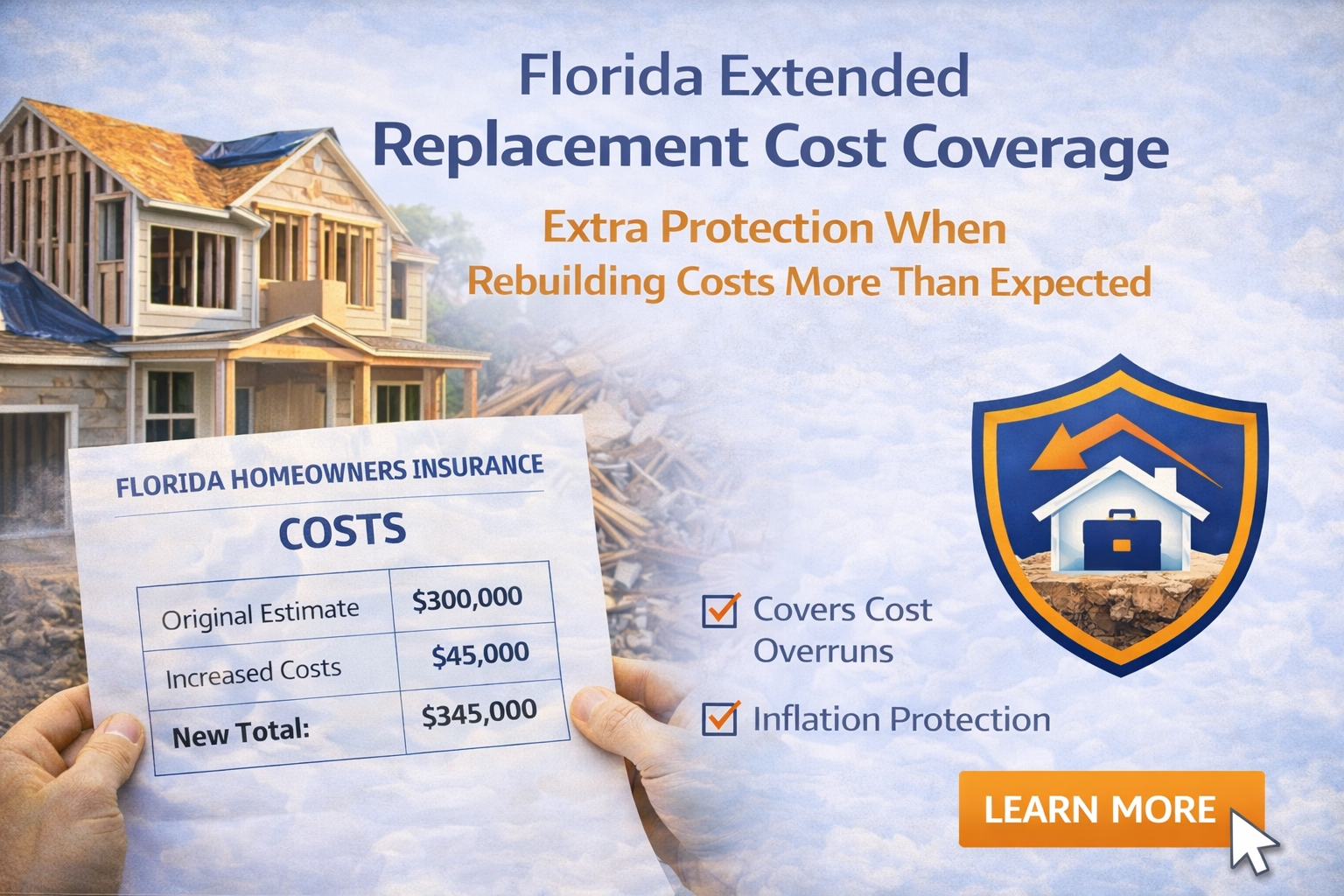
Florida extended replacement cost coverage provides an additional percentage of your dwelling limit, typically 25% to 50%, when actual rebuilding costs exceed your policy's coverage amount. If your home is insured for $400,000 with 25% extended replacement cost, you have access to up to $500,000 for reconstruction.
This buffer protects against the post-disaster reality Florida homeowners know too well: after major hurricanes, contractor shortages, material scarcity, and overwhelming demand drive rebuilding costs far above normal estimates.
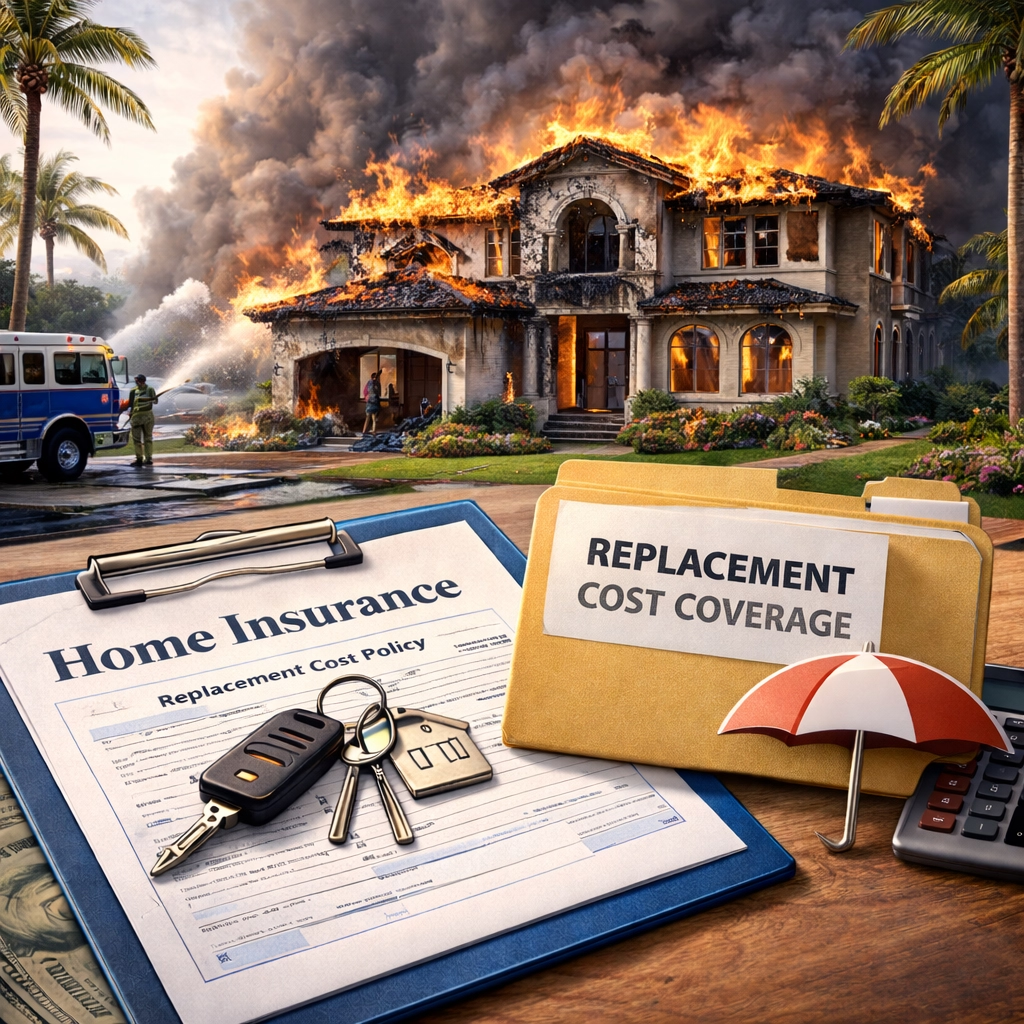
Standard replacement cost coverage pays current rebuilding costs without depreciation deductions, but only up to your policy limits. Extended replacement cost adds a crucial safety margin recognizing that limits set during calm times may prove inadequate after catastrophic events. Understanding how this coverage works, what it costs, and whether you need it helps Florida homeowners ensure they won't face devastating shortfalls when rebuilding after the next major storm.
How Extended Replacement Cost Works
Extended replacement cost coverage activates when your actual rebuilding expenses exceed your dwelling coverage limit. The mechanics of this protection determine exactly how much additional coverage you receive and under what circumstances.
Percentage-based extensions define how much extra coverage you have. Common options include 25%, 50%, or occasionally higher percentages of your dwelling limit. A $400,000 dwelling limit with 25% extension provides $100,000 additional coverage. The same limit with 50% extension provides $200,000 extra.
Trigger conditions require that standard coverage be exhausted first. Extended replacement cost kicks in only after you've reached your base dwelling limit. If your dwelling coverage is $400,000 and repairs cost $450,000, standard coverage pays the first $400,000 and extended coverage pays the remaining $50,000, assuming you have at least 12.5% extension.
Like kind and quality standards apply to extended coverage just as they do to standard replacement cost. You're entitled to rebuild your home as it was before the loss, not upgrade to higher quality materials or expand the footprint. Extended coverage provides more dollars for the same home, not coverage for a better home.
Documentation requirements may be more rigorous for extended coverage claims. Insurers want to verify that costs genuinely exceed normal rebuilding expenses before paying beyond policy limits. Detailed contractor bids, material invoices, and construction progress documentation support extended coverage claims.
Conditions for coverage may apply. Some policies require you to have maintained accurate coverage limits, reported home improvements promptly, or followed insurer recommendations regarding coverage amounts. Failing to meet conditions could reduce or eliminate extended replacement cost protection.
Rebuilding requirements typically apply. You must actually rebuild your home to receive extended replacement cost payments. If you choose not to rebuild or rebuild at a different location, extended coverage may not apply or may be limited.
Why Extended Coverage Matters in Florida
Florida's unique insurance environment makes extended replacement cost coverage particularly valuable. Several factors combine to create conditions where standard coverage limits frequently prove inadequate.
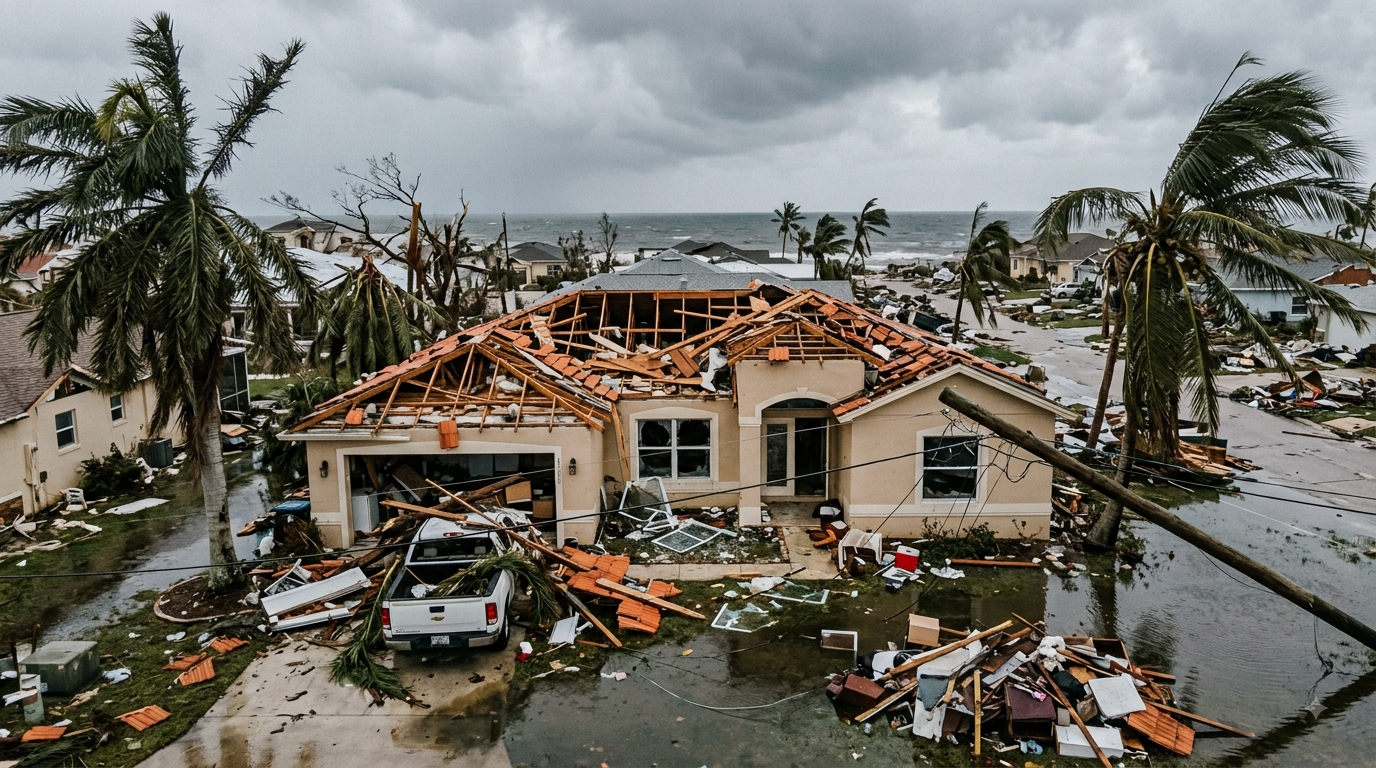
Post-hurricane demand surge dramatically increases construction costs after major storms. When thousands of homes need simultaneous repair, contractor availability plummets while prices spike. Materials face supply chain constraints. Labor commands premium rates. Rebuilding that would cost $400,000 in normal times might cost $550,000 in post-hurricane conditions.
Hurricane Ian illustrated this reality clearly. Homeowners in Fort Myers, Cape Coral, and surrounding areas discovered that rebuilding estimates far exceeded their coverage limits. Contractors overwhelmed with demand could name their prices. Materials shipped from across the country carried premium costs. Extended replacement cost coverage helped some homeowners bridge these gaps.
Construction cost inflation between policy purchase and loss occurrence erodes coverage adequacy. Even without hurricanes, building costs have risen substantially in recent years. Coverage limits set three or five years ago may not reflect current rebuilding costs. Extended replacement cost provides a buffer against this ongoing inflation.
Coverage limit estimation challenges affect even careful homeowners. Accurately estimating rebuilding costs is genuinely difficult. Insurance company algorithms provide estimates, but these may not capture your home's specific features, quality level, or local cost factors. Extended coverage provides forgiveness for estimation errors.
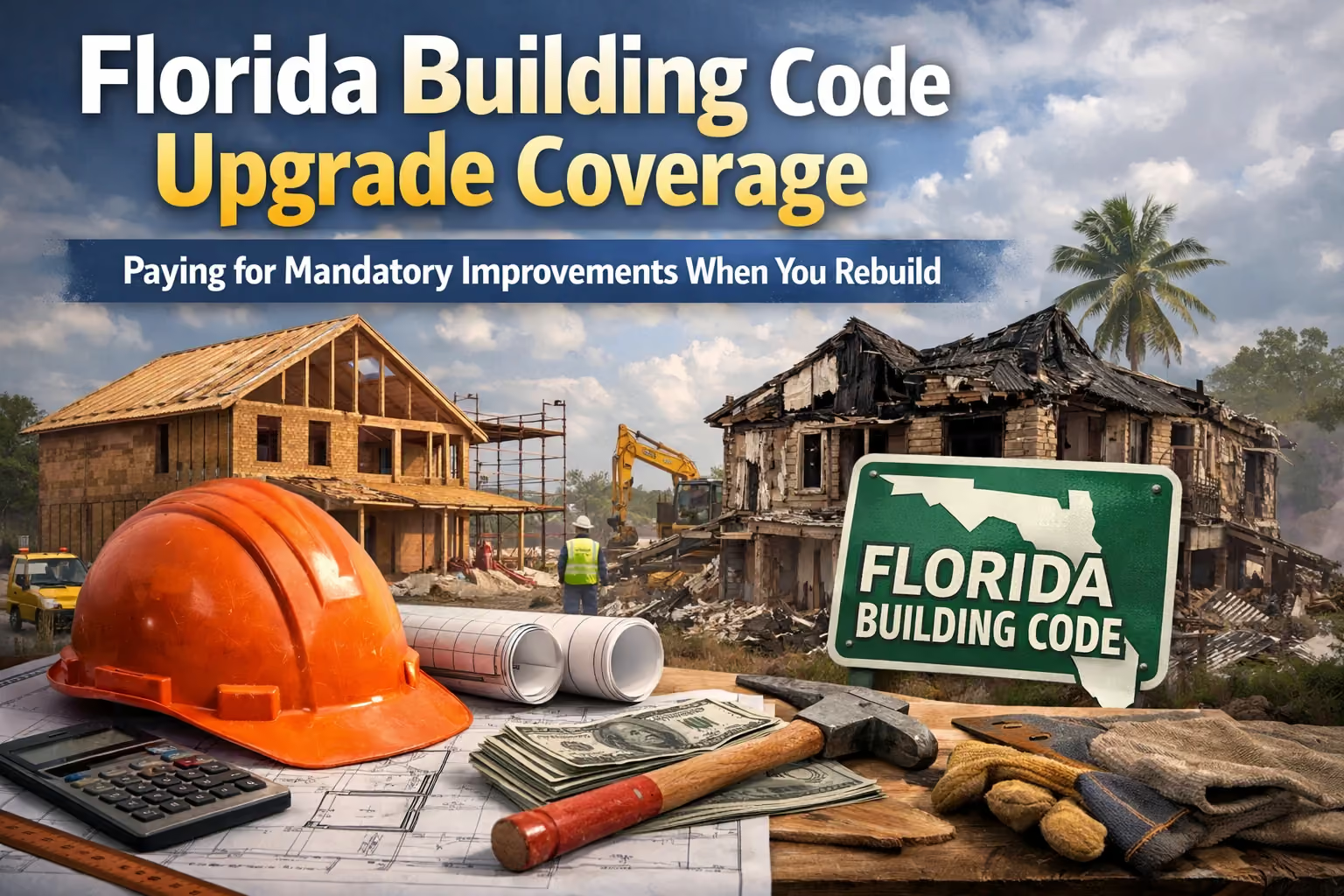
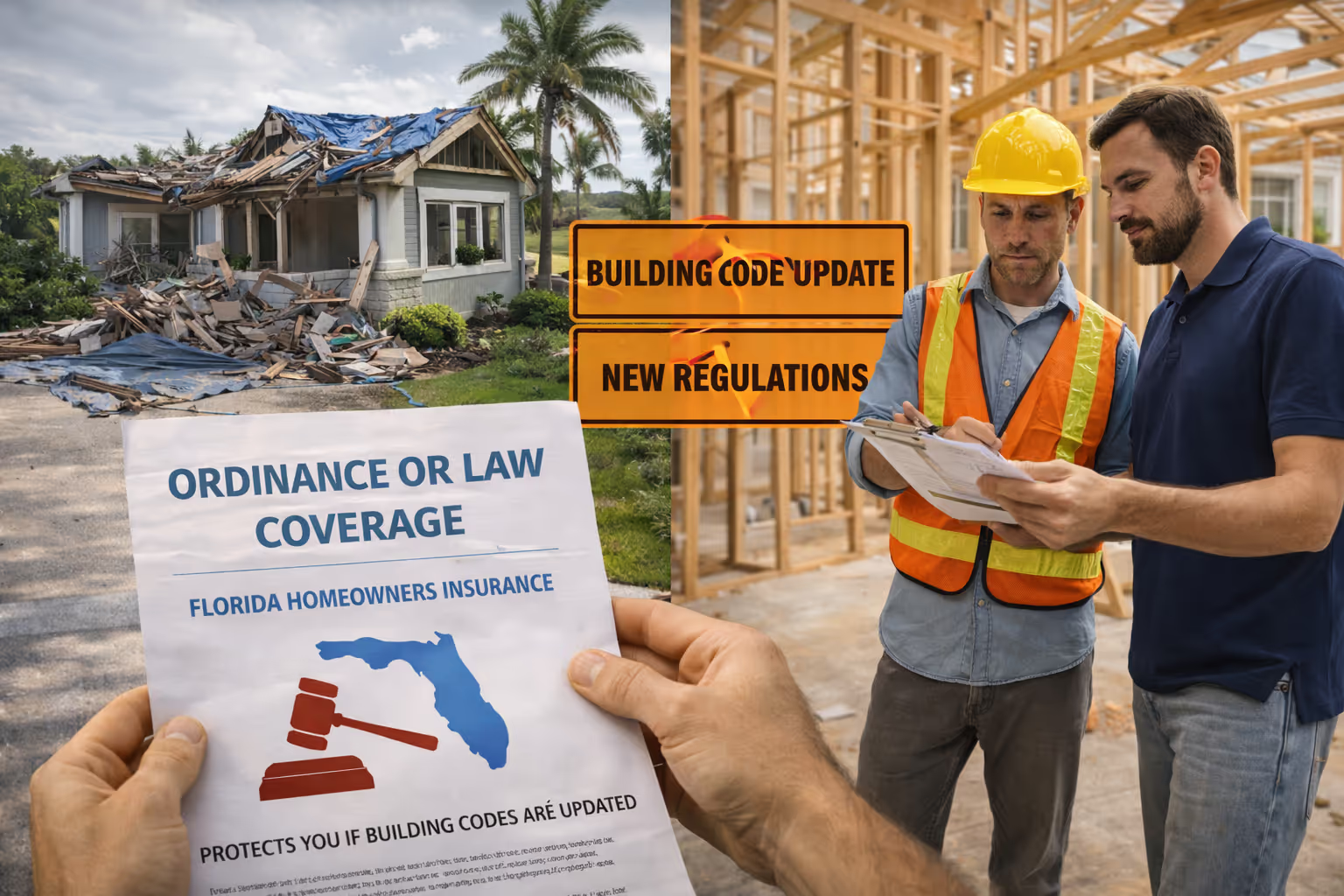
Florida's building code requirements may increase rebuilding costs beyond what original construction would suggest. Current code requirements for hurricane resistance, energy efficiency, and other standards can add costs when rebuilding older homes. While ordinance or law coverage addresses code upgrade costs specifically, extended replacement cost provides general buffer for any cost increases.
Extended Versus Guaranteed Replacement Cost
Extended and guaranteed replacement cost coverage both provide protection beyond standard limits, but they differ significantly. Understanding these differences helps you choose appropriate coverage.
Extended replacement cost provides a defined percentage above your dwelling limit. You know exactly how much additional coverage you have: 25%, 50%, or whatever your policy specifies. This is your maximum additional protection regardless of actual rebuilding costs.
Guaranteed replacement cost promises to rebuild your home regardless of cost, even if it substantially exceeds your policy limits. There's no percentage cap. If rebuilding costs $600,000 when your policy limit is $400,000, guaranteed replacement cost pays the full amount.
Availability differs significantly. Guaranteed replacement cost has become rare in Florida as insurers manage hurricane exposure. Many carriers that once offered guaranteed replacement have discontinued it or severely restricted eligibility. Extended replacement cost remains more widely available, though some insurers have reduced percentages offered.
Conditions for guaranteed coverage tend to be stricter. Insurers offering guaranteed replacement typically require you to maintain coverage at their recommended level, report all home improvements promptly, undergo periodic appraisals, and follow other requirements. Failing to meet conditions can void the guarantee.
Premium differences reflect the coverage difference. Guaranteed replacement cost, where available, typically costs more than extended replacement cost since the insurer accepts unlimited additional exposure. Extended replacement cost premiums are lower since insurer exposure is capped at the specified percentage.
Risk assessment for homeowners involves evaluating how much your rebuilding costs might exceed limits. If you're confident your coverage limits are accurate and post-disaster costs might rise 25% to 30%, extended replacement cost likely suffices. If you're uncertain about limits or expect potentially larger cost increases, guaranteed replacement provides more security, if available.
Cost of Extended Replacement Cost Coverage
Understanding what extended replacement cost coverage costs helps you evaluate its value relative to the protection it provides. Pricing varies by insurer and coverage percentage.
Premium additions typically range from 5% to 15% of your dwelling coverage premium for extended replacement cost. On a dwelling premium of $3,000, extended replacement cost might add $150 to $450 annually depending on the percentage extension and insurer.
Higher extension percentages cost more. A 50% extension costs more than 25% since the insurer assumes greater potential exposure. The premium difference between 25% and 50% extensions is usually less than double, making higher percentages relatively good value.
Insurer pricing variation means shopping for extended replacement cost matters. Some insurers include modest extended replacement cost in their base policies at no extra charge. Others charge separately for any extension. Comparing options reveals which insurers provide the best value for extended protection.
Value calculation involves comparing premium cost against potential benefit. If extended replacement cost adds $300 annually and you own your home for 20 years, you'll pay $6,000 total. If extended coverage enables $100,000 in additional claim payment after a catastrophic loss, the return vastly exceeds the investment.
Deductible interaction doesn't change with extended coverage. Your standard hurricane deductible applies to the total claim including any extended coverage amounts. The extension provides additional available coverage, not an additional deductible.
Non-claim years feel like wasted premium, but insurance always involves paying for protection you hope not to use. Extended replacement cost provides peace of mind that you're protected against coverage shortfalls. This assurance has value beyond pure financial calculation.
Conditions and Requirements
Extended replacement cost coverage typically comes with conditions you must meet to maintain full protection. Understanding and following these requirements ensures your coverage applies when needed.
Coverage limit maintenance may require keeping your dwelling coverage at or above your insurer's recommended amount. If your insurer recommends $450,000 in dwelling coverage and you only carry $350,000, extended replacement cost protection might be voided or reduced.
Improvement reporting requirements mean notifying your insurer of significant home improvements that increase replacement cost. Adding a room, renovating a kitchen, finishing a basement, or making other substantial improvements should be reported promptly for coverage adjustment.
Accurate information requirements extend to all policy details. Misrepresenting your home's size, features, or construction type can void coverage. Extended replacement cost conditions often emphasize accuracy since the coverage relates directly to rebuilding cost estimation.
Rebuilding location requirements typically require you to rebuild on the same property site. If you choose to rebuild elsewhere or purchase a different home, extended replacement cost may not apply. Some policies offer flexibility while others are strict about location.
Time limits for rebuilding and claiming extended coverage vary by policy. You may have one to three years to complete rebuilding and claim extended replacement cost benefits. Understanding your timeline helps you plan reconstruction appropriately.
Claim documentation standards may be higher for extended coverage claims. Since extended coverage pays beyond normal limits, insurers may scrutinize these claims more carefully. Thorough documentation of all expenses supports your claim.
Alternatives and Complements to Extended Replacement Cost
Extended replacement cost addresses one specific risk: rebuilding costs exceeding policy limits. Other coverage options address related but distinct concerns.
Inflation guard provisions automatically increase your dwelling limit annually to keep pace with construction costs. This helps prevent the coverage gap extended replacement cost addresses, though automatic increases may not fully track actual cost changes.
Ordinance or law coverage specifically addresses increased costs from building code requirements when rebuilding. If current codes require improvements beyond your original construction, ordinance or law coverage pays these mandated upgrades. This complements rather than replaces extended replacement cost.
Guaranteed replacement cost coverage, where available, eliminates the percentage cap of extended coverage. For homeowners wanting maximum protection without defined limits, guaranteed coverage provides the strongest option.
Higher base dwelling limits reduce reliance on extended coverage by providing more protection upfront. If you're uncertain about coverage adequacy, increasing your dwelling limit may be simpler than relying on extended coverage activation.
Professional appraisals provide accurate replacement cost estimates beyond insurance company algorithms. A professional construction cost appraisal may reveal that your coverage limits need adjustment, reducing the likelihood of needing extended coverage.
Annual coverage reviews ensure your limits remain adequate as costs change. Proactive limit increases maintain protection without depending on extended coverage as a backup for inadequate limits.
Making the Decision
Evaluating whether extended replacement cost coverage makes sense requires considering your specific situation, risk tolerance, and budget constraints.
Current coverage adequacy assessment should come first. If your dwelling coverage accurately reflects rebuilding costs, extended replacement cost provides backup for unexpected circumstances. If your coverage is already inadequate, increasing base limits may be more important than adding extended coverage to insufficient limits.
Post-disaster cost increase likelihood depends partly on your location. Coastal areas prone to widespread hurricane damage face greater demand surge risk than inland locations where damage tends to be more localized. Higher regional risk supports stronger arguments for extended coverage.
Financial ability to absorb shortfalls matters. If you could pay $50,000 or $100,000 out of pocket to complete rebuilding when insurance falls short, extended coverage is less critical. If coverage shortfalls would prevent you from rebuilding, extended coverage becomes essential.
Premium budget constraints may limit options. Extended replacement cost provides excellent value, but if premiums are already straining your budget, prioritizing adequate base coverage over extended coverage may be necessary.
Mortgage requirements may influence decisions. Some lenders require extended or guaranteed replacement cost coverage. If your mortgage demands this coverage, the decision is made for you.
Peace of mind has genuine value. Knowing you have buffer coverage beyond your policy limits provides assurance that's hard to quantify but real nonetheless. Some homeowners willingly pay for this assurance even when pure financial analysis might suggest otherwise.
Frequently Asked Questions
What is extended replacement cost coverage?
Extended replacement cost coverage provides an additional percentage, typically 25% to 50%, above your dwelling limit when actual rebuilding costs exceed your standard coverage. If your home is insured for $400,000 with 25% extended replacement cost, you have access to up to $500,000 for reconstruction.
How is extended replacement cost different from guaranteed replacement cost?
Extended replacement cost provides a defined percentage above your limits, capping additional coverage at that percentage. Guaranteed replacement cost promises to rebuild your home regardless of cost with no cap. Guaranteed coverage is stronger but less available and more expensive than extended coverage.
How much does extended replacement cost coverage cost?
Premium additions typically range from 5% to 15% of your dwelling coverage premium. On a $3,000 dwelling premium, extended coverage might add $150 to $450 annually depending on the percentage extension and insurer. Higher percentage extensions cost more than lower ones.
Do I need extended replacement cost coverage in Florida?
Extended coverage is particularly valuable in Florida where post-hurricane demand surge can dramatically increase rebuilding costs. If a major storm affects your area, contractor shortages and material scarcity can push costs far above normal estimates. Extended coverage provides buffer for these situations.
What conditions apply to extended replacement cost coverage?
Common conditions include maintaining coverage at insurer-recommended levels, reporting home improvements promptly, providing accurate policy information, rebuilding at the same location, and completing reconstruction within specified time limits. Failing to meet conditions may void or reduce extended coverage.
Does extended replacement cost apply to personal property?
Extended replacement cost typically applies only to dwelling coverage, not personal property. Your contents coverage limit remains your maximum for personal belongings. Some insurers may offer extended coverage options for personal property separately.
If you’re a homeowner in Florida, having the right insurance coverage is essential to protect your investment from hurricanes, floods, and other unexpected events. Learn more about the different coverage options, policy requirements, and ways to save by visiting our detailed guide to Florida homeowners insurance.

Get a
Florida Home Insurance
Quote





.avif)



















To see how Worth can reduce your risk.
Get a Free Quote


