Florida Home Insurance Additional Living Expenses Coverage: What Happens When You Can't Live at Home

Florida home insurance additional living expenses coverage, commonly called ALE or loss of use coverage, pays your extra costs when a covered loss makes your home uninhabitable. If a hurricane damages your roof and you need to stay in a hotel while repairs happen, ALE covers those hotel bills. If you're renting an apartment for six months because fire destroyed your kitchen, ALE pays the rent above what you'd normally spend on housing. This coverage bridges the gap between disaster and recovery, preventing financial ruin while you wait to return home.
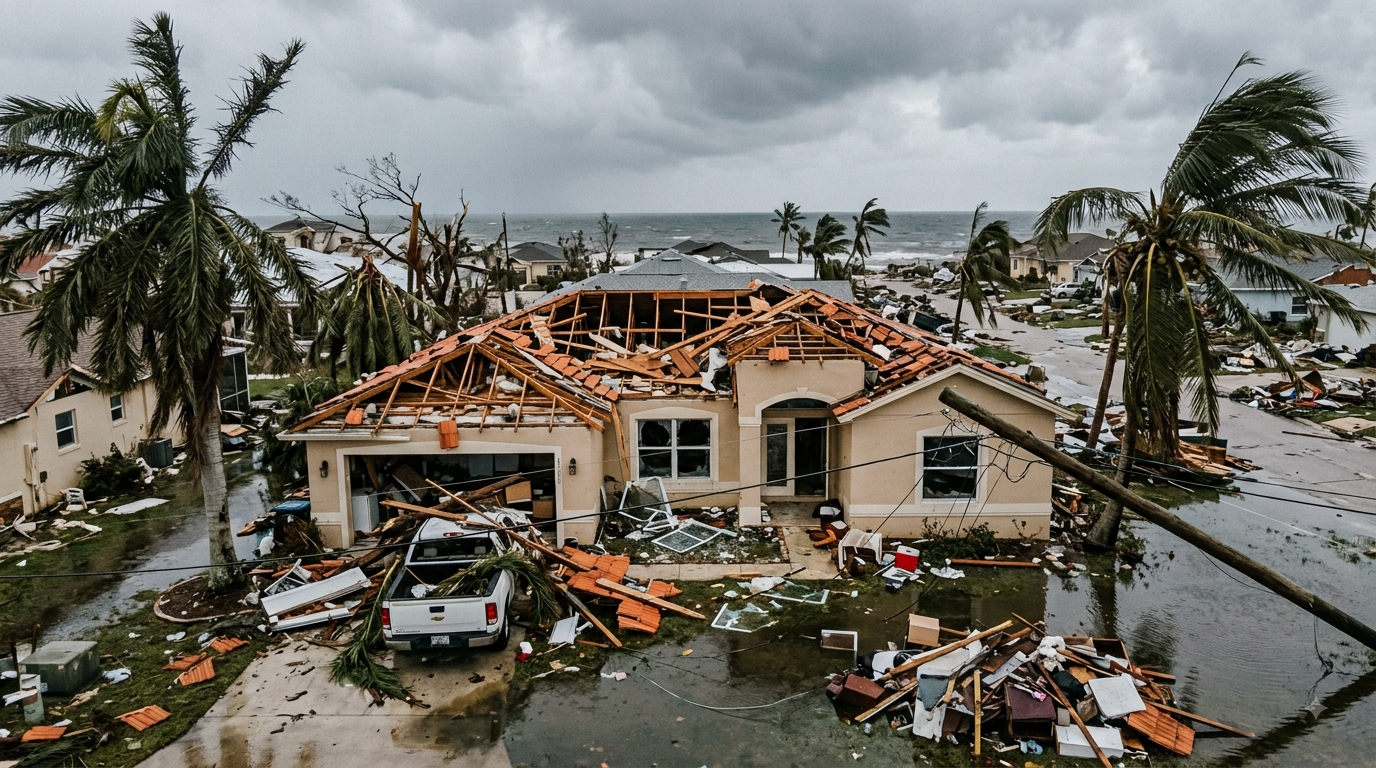
For Florida homeowners, ALE coverage isn't theoretical protection you'll probably never need. Hurricanes regularly displace thousands of residents for weeks, months, or even years. After Hurricane Ian, families throughout Southwest Florida exhausted savings on temporary housing while waiting for contractors, permits, and insurance settlements. Those with adequate ALE coverage maintained their standard of living. Those without faced impossible choices between depleting retirement accounts and moving back into partially repaired homes.
How Additional Living Expenses Coverage Works
ALE coverage pays the difference between your normal living expenses and the increased costs you incur while displaced. This distinction matters because the coverage isn't designed to give you free housing. Instead, it covers the additional expense above what you'd normally spend.
Let's say your mortgage payment is $2,000 monthly and your utilities run $300. If a covered loss forces you into a rental costing $3,500 with $200 in utilities, ALE would cover the difference. You'd still pay your normal $2,300 in housing costs, but ALE would handle the additional $1,400 monthly you're spending because of the displacement.
The same logic applies to food expenses. If you normally spend $800 monthly on groceries but restaurant meals during displacement cost $1,500, ALE covers that $700 difference. You're expected to maintain your normal expenses while insurance handles the increase.
Standard Florida home insurance policies typically set ALE limits at 20% to 30% of dwelling coverage. A home insured for $400,000 might include $80,000 to $120,000 in additional living expenses coverage. This sounds substantial until you calculate months of hotel stays, restaurant meals, and rental costs in a market where displaced families compete for limited housing.
What Additional Living Expenses Coverage Pays For
Temporary housing represents the largest ALE expense for most displaced homeowners. Hotels, extended-stay properties, short-term rentals, and apartment leases all qualify when you can't occupy your home due to covered damage. The coverage pays reasonable costs for comparable housing, meaning a family from a four-bedroom house shouldn't expect coverage for a studio apartment, but also shouldn't expect a luxury suite.
Food costs beyond normal grocery spending qualify for ALE. When you can't cook at home, restaurant meals and takeout become necessary rather than optional. Keep receipts for all meals and track what you'd normally spend on groceries to document the additional expense.
Storage fees for belongings removed during repairs fall under ALE. If contractors need your furniture out while they rebuild damaged areas, storage unit costs are covered. Moving expenses to get belongings into storage and back home also qualify.
Pet boarding costs apply when temporary housing doesn't allow animals. If your rental apartment prohibits your dog, kennel fees during displacement are additional expenses caused by the loss. The same applies to livestock boarding if you're displaced from rural property.
Laundry and dry cleaning costs increase when you lack normal facilities. Commuting expenses rise if temporary housing sits farther from work than your home. Even costs like maintaining two phone lines or internet connections can qualify if necessitated by displacement.
What ALE Doesn't Cover
ALE coverage has boundaries that catch some homeowners off guard. Understanding these limits prevents frustration during already stressful displacement periods.
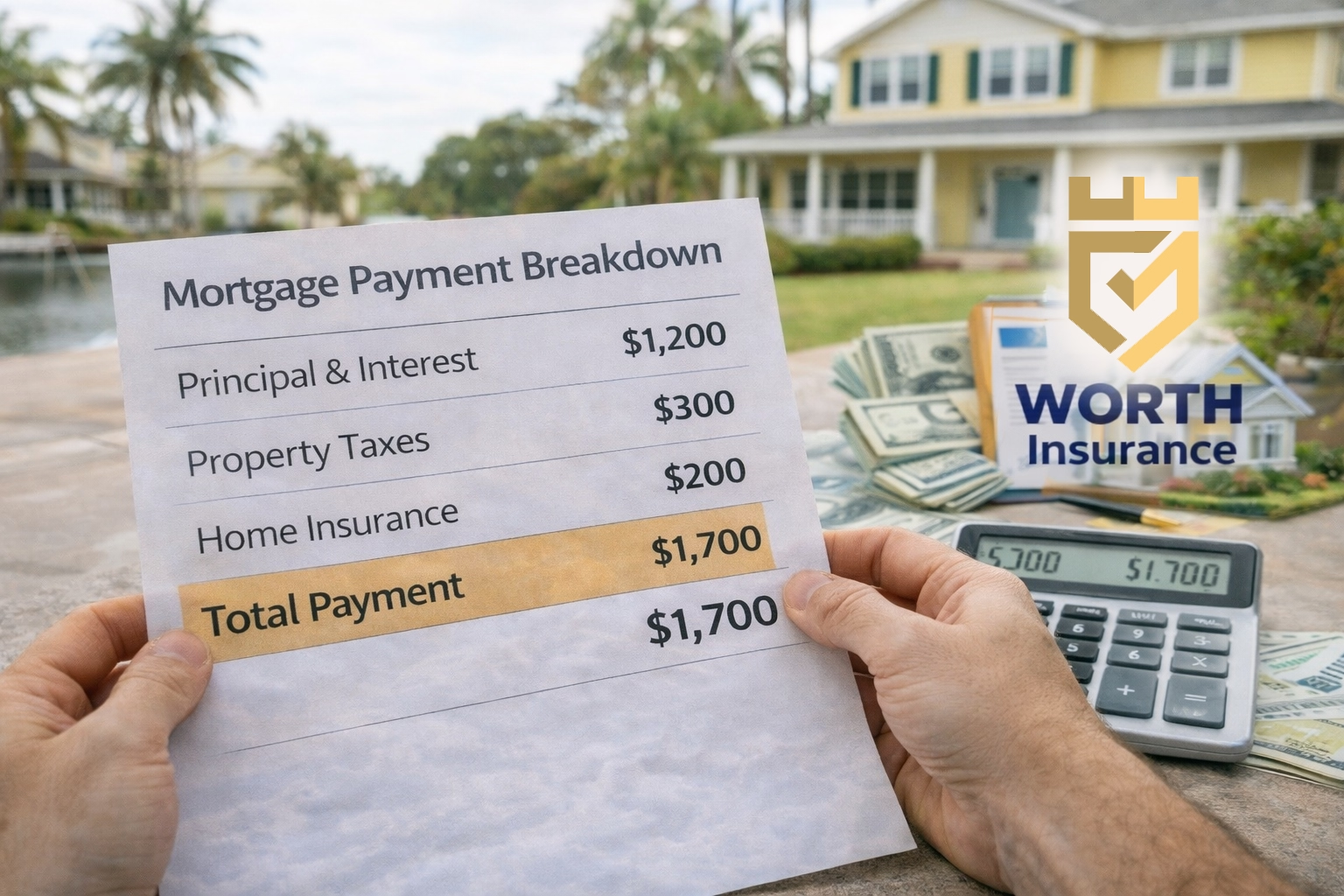
Your normal housing costs remain your responsibility. ALE isn't free rent. You'll continue paying your mortgage, property taxes, and homeowners insurance even while displaced. ALE only covers expenses above these baseline costs.
Upgrades to your normal lifestyle don't qualify. If you lived in a modest three-bedroom home, ALE won't pay for a waterfront mansion during displacement. Insurers expect you to find comparable temporary housing, not substantially better accommodations.
Displacement must result from covered perils. If flooding forces you out but you lack flood insurance, ALE won't respond because the underlying cause isn't covered. Similarly, evacuating for an approaching hurricane doesn't trigger ALE unless your home actually sustains covered damage preventing occupancy.
Long-term displacement beyond your policy's time limits or dollar caps leaves you responsible for continued expenses. Some policies limit ALE to 12 or 24 months regardless of whether repairs are complete. Others simply cap dollar amounts. Either way, extended displacement can exhaust coverage before you're home.
ALE Limits and Time Restrictions
Policies structure ALE coverage differently, and understanding your specific terms matters. Some policies express limits as a percentage of dwelling coverage with no time restriction. Others impose both dollar limits and time caps. Still others provide unlimited ALE for a specified period.
A policy with 20% ALE coverage on a $400,000 dwelling provides $80,000 in additional living expenses. If displacement costs average $4,000 monthly above normal expenses, coverage lasts 20 months. But if your policy also caps ALE at 12 months, you'd receive benefits for only one year regardless of remaining dollar limits.
Florida's post-hurricane housing market complicates these calculations. After major storms, rental prices spike as thousands of displaced families compete for limited inventory. Temporary housing that might normally cost $2,500 monthly could run $4,000 or more after a hurricane. These inflated costs drain ALE limits faster than homeowners anticipate.
Review your policy's ALE provisions before hurricane season. If limits seem inadequate given your housing market and potential displacement duration, discuss increasing coverage with your insurance agent. The premium increase for higher ALE limits is typically modest compared to the protection gained.
Maximizing Your ALE Benefits
Documentation determines how much you'll actually recover under ALE coverage. Insurers require proof of expenses and evidence that costs exceed your normal spending. Sloppy record-keeping leaves money on the table.
Save every receipt during displacement. Hotel bills, restaurant charges, grocery receipts, gas station purchases, storage fees, and any other expenses potentially covered should be documented. Digital photos of receipts work if originals might fade or get lost.
Track your normal expenses before disaster strikes. Knowing your typical monthly grocery spending, utility costs, and commuting expenses establishes the baseline against which additional expenses are measured. Bank and credit card statements help reconstruct this baseline.
Keep a log of why expenses were necessary. A receipt alone might not explain why you bought certain items or stayed somewhere specific. Brief notes connecting expenses to your displacement strengthen claims.
Communicate regularly with your adjuster about housing needs and expense projections. If repairs will take longer than initially estimated, early communication about ALE concerns allows proactive problem-solving. Waiting until limits are nearly exhausted creates unnecessary stress.
ALE for Condos and Rental Properties
Florida condo insurance includes ALE coverage similar to single-family policies, but condo displacement often involves building-wide issues beyond your unit's damage. If the entire building is uninhabitable due to structural damage or utility failures, your HO6 policy's ALE coverage applies even though your individual unit might be intact.
Loss assessment provisions in condo policies can interact with ALE when associations levy charges against unit owners for building repairs. Understanding how your ALE coverage coordinates with master policy provisions and assessment coverage prevents gaps.
If you own rental property covered under a landlord insurance policy, ALE works differently. Instead of covering your living expenses, landlord policies typically provide fair rental value coverage. This pays the rent you lose when covered damage makes your rental unit unleasable. The structure differs from owner-occupied ALE, so review your policy terms carefully.
When Displacement Extends Beyond Expectations
Major hurricanes create displacement lasting months or years, not weeks. Contractor shortages, material delays, permit backlogs, and insurance disputes all extend timelines beyond initial estimates. Planning for extended displacement protects your family and finances.
After Hurricane Ian, some Fort Myers homeowners remained displaced for over two years while navigating repairs, insurance claims, and building department requirements. Those with robust ALE coverage maintained stable housing throughout. Others faced difficult decisions as coverage exhausted before repairs completed.
If your policy limits ALE duration, consider endorsements or policy changes that extend coverage periods. If displacement seems likely to exceed your dollar limits, communicate with your insurer early about options. Some insurers negotiate extended coverage in good faith when circumstances warrant.
Having emergency savings beyond insurance coverage provides additional protection. Even generous ALE limits can prove insufficient in worst-case scenarios. A financial cushion covering several months of housing costs independent of insurance offers peace of mind.
Frequently Asked Questions
What does additional living expenses coverage pay for? ALE covers increased costs when covered damage makes your home uninhabitable. This includes temporary housing like hotels or rentals, restaurant meals above normal food costs, storage fees, pet boarding, increased commuting expenses, and other necessary costs exceeding your normal living expenses. It pays the difference between normal costs and displacement costs.
How much ALE coverage do I have? Standard policies set ALE limits at 20% to 30% of dwelling coverage. A home insured for $400,000 typically includes $80,000 to $120,000 in ALE. Some policies also impose time limits of 12 to 24 months. Review your declarations page for specific limits, and consider increasing coverage if it seems inadequate.
Does ALE cover my mortgage while I'm displaced? No. You remain responsible for your mortgage, property taxes, and insurance premiums during displacement. ALE covers additional expenses above your normal costs, not your baseline housing expenses. You'll pay your regular mortgage while ALE pays for temporary housing that exceeds your normal costs.
How long does additional living expenses coverage last? Duration depends on your policy terms and how quickly coverage limits are exhausted. Some policies cap ALE at 12 or 24 months regardless of remaining dollar limits. Others continue until dollar limits are exhausted without time restrictions. Review your policy for specific terms, as extended displacement can exceed coverage.
What documentation do I need for ALE claims? Save all receipts for expenses during displacement including housing, food, storage, transportation, and miscellaneous costs. Document your normal monthly expenses to establish the baseline against which additional expenses are measured. Keep a log explaining why specific expenses were necessary due to displacement.
Does ALE cover evacuation expenses before a hurricane? Generally no. ALE requires covered damage that makes your home uninhabitable. Voluntary evacuation before a storm doesn't trigger coverage unless your home sustains actual damage preventing occupancy. If you evacuate and the hurricane causes no damage, evacuation expenses aren't covered under ALE.
If you’re a homeowner in Florida, having the right insurance coverage is essential to protect your investment from hurricanes, floods, and other unexpected events. Learn more about the different coverage options, policy requirements, and ways to save by visiting our detailed guide to Florida homeowners insurance.

Get a
Florida Home Insurance
Quote




.avif)

















To see how Worth can reduce your risk.
Get a Free Quote


