Florida Home Insurance Water Backup Coverage: Protection Against Sewer and Drain Disasters
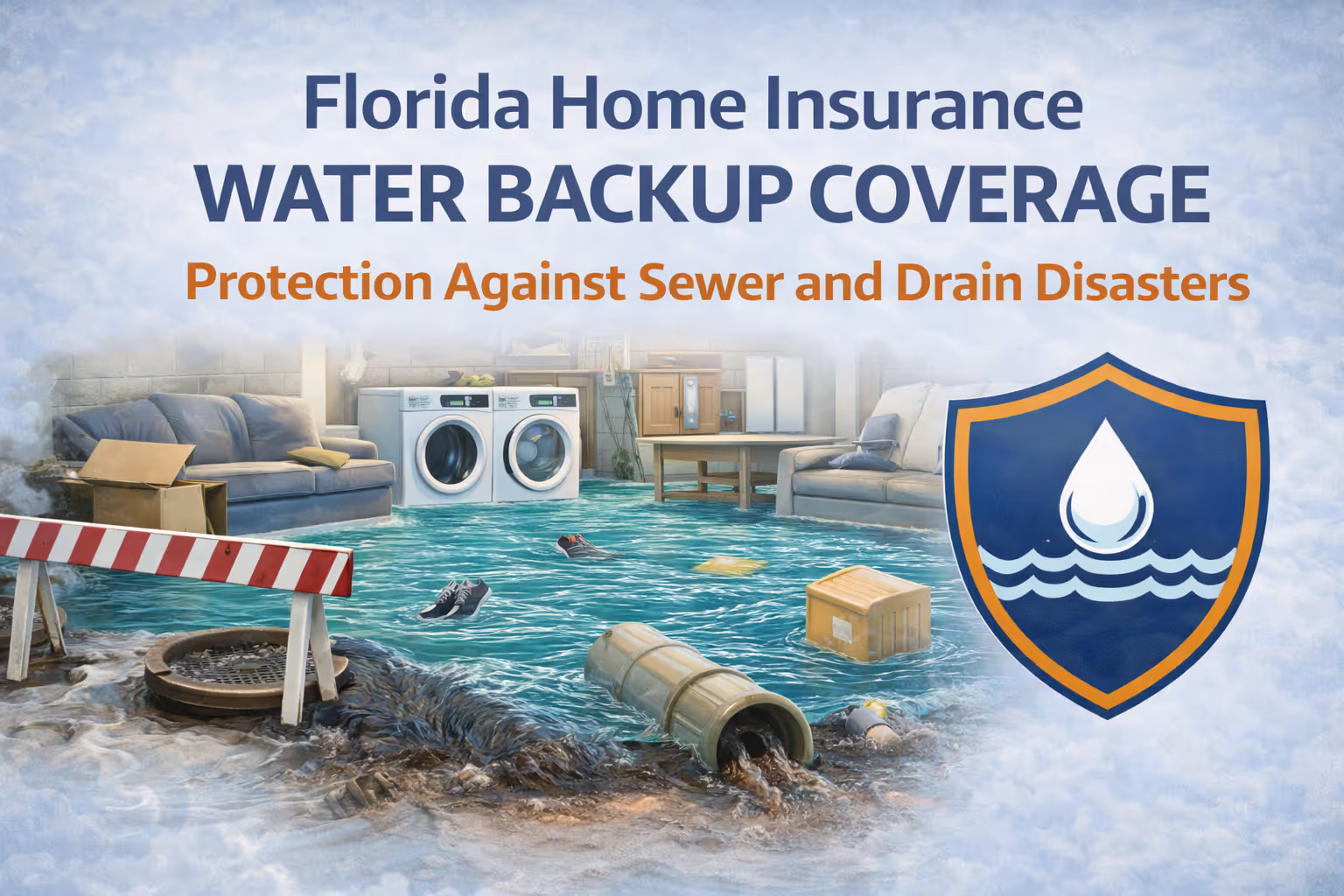
Florida home insurance water backup coverage pays for damage when water enters your home through drains, sewers, or sump pump failures. This isn't the same as flood insurance, which covers rising water from external sources.
Water backup coverage handles the opposite scenario: water that should be leaving your home instead reverses course and floods interior spaces. A clogged municipal sewer line backing sewage into your bathroom, a failed sump pump letting groundwater seep into your basement, or an overwhelmed drain sending water across your floors all fall under this coverage.
Standard Florida homeowners policies exclude water backup damage entirely. If you want protection against these events, you must add a water backup endorsement to your policy, typically for $30 to $100 annually depending on coverage limits. Given Florida's heavy rainfall, aging infrastructure, and high water tables, this endorsement deserves serious consideration from most homeowners. A single sewer backup incident can cause $10,000 or more in damage, making the modest endorsement cost worthwhile protection.
What Water Backup Coverage Protects Against
Water backup coverage responds to specific scenarios where water that should drain away instead enters your home through plumbing systems. Understanding what triggers coverage helps you recognize when this endorsement applies.
Sewer line backups represent the most common and often most damaging covered event. When municipal sewer systems become overwhelmed during heavy rain, or when blockages occur in main lines, sewage can reverse flow into connected homes through toilets, floor drains, and other fixtures. The resulting damage includes not just water but potentially hazardous sewage requiring professional remediation.
Sump pump failures cause significant damage in homes that rely on these systems to manage groundwater. Florida's high water table means many homes need active water management, particularly during rainy seasons. When sump pumps fail due to mechanical breakdown, power outages, or being overwhelmed by water volume, the water they should be removing floods living spaces instead.
Drain backups occur when water overwhelms your home's drainage capacity. Heavy rain pouring into basement window wells faster than drains can handle, washing machine discharge backing up through floor drains, or clogged interior drains causing sink and tub overflows all potentially fall under water backup coverage depending on specific policy language.
Septic system backups affect many Florida homeowners outside municipal sewer service areas. When septic tanks fail, become overwhelmed, or experience drain field problems, sewage can back up into homes through connected fixtures. Water backup coverage typically addresses these situations.
What Water Backup Coverage Doesn't Cover
Clear boundaries separate water backup coverage from other water damage coverages. Misunderstanding these distinctions leads to denied claims and frustrated homeowners.
Flood damage requires separate flood insurance regardless of how water enters your home. If storm surge, river overflow, or surface water accumulation pushes into your home from outside, that's flooding, not water backup. The water must enter through your plumbing or drainage systems, not through doors, windows, or walls.
Groundwater seeping through foundation walls or floors isn't covered by water backup endorsements. This gradual intrusion falls outside both water backup coverage and standard homeowners policies. Foundation waterproofing and proper drainage address this issue, not insurance.
Maintenance failures receive limited or no coverage. If your sewer line backs up because tree roots you ignored for years finally blocked it completely, the insurer may deny the claim as a maintenance issue. Regular sewer line inspections and prompt attention to slow drains helps prevent both backups and coverage disputes.
Damage from broken pipes within your home isn't water backup. A burst supply line flooding your kitchen is sudden water damage potentially covered under your base Florida home insurance policy, not water backup coverage. The distinction is water coming into your home through supply pipes versus water failing to leave through drain pipes.
Coverage Limits and Options
Water backup endorsements typically offer coverage limits ranging from $5,000 to $50,000 or more. Selecting appropriate limits requires understanding potential damage costs and your risk exposure.
A minor backup affecting only a bathroom might cause $3,000 to $5,000 in damage. A major sewer backup flooding a finished lower level with contaminated water can easily exceed $25,000 when you factor in water extraction, demolition of damaged materials, antimicrobial treatment, reconstruction, and replacement of destroyed belongings.
Lower limits cost less in premium but leave you exposed if significant damage occurs. A $5,000 limit might save $20 annually compared to $25,000 limits, but provides far less protection. Consider the value of finished spaces vulnerable to backup damage when selecting limits.
Some endorsements include separate sub-limits for sump pump failures versus sewer backups. Others provide a single combined limit. A few offer replacement cost coverage for damaged property while others pay actual cash value. Read endorsement language carefully to understand exactly what protection you're purchasing.
Deductibles for water backup claims may differ from your standard policy deductible. Some endorsements carry their own deductible, often $500 to $1,000, while others apply your regular policy deductible. Higher deductibles reduce premium but increase out-of-pocket costs when claims occur.
Florida-Specific Risk Factors
Several factors make water backup coverage particularly relevant for Florida homeowners. Understanding these risks helps you evaluate whether this endorsement belongs on your policy.
Florida's intense rainfall overwhelms drainage systems regularly. Summer afternoon thunderstorms can drop several inches of rain in an hour, exceeding the capacity of storm sewers and residential drainage systems. When municipal systems can't handle the volume, backups into connected homes become more likely.
Aging infrastructure in many Florida communities increases backup risk. Older sewer lines deteriorate, develop cracks that allow root intrusion, and may not meet capacity demands from population growth. Homes in older neighborhoods face elevated backup risk compared to newer developments with modern infrastructure.
High water tables throughout much of Florida mean groundwater management is an ongoing concern. Homes with sump pumps depend on these systems functioning reliably, particularly during rainy seasons when water tables rise. Power outages during storms, exactly when pumps work hardest, create backup conditions.
Hurricane and tropical storm rainfall creates peak backup risk. Extended heavy rain saturates ground, overwhelms drainage, and stresses sewer systems simultaneously. Post-storm power outages disable sump pumps precisely when they're most needed. Water backup claims spike during and after major rain events.
Septic systems serving many Florida homes outside urban areas present unique backup risks. Saturated drain fields during wet weather, aging tanks, and inadequate system capacity for household demands can all cause sewage to back up into homes.
Preventing Water Backup Damage
While insurance provides financial recovery, prevention avoids the disruption and stress of water backup incidents. Several measures reduce your backup risk.
Install backwater valves on sewer lines to prevent reverse flow into your home. These one-way valves allow wastewater to exit but block sewage from entering if the main line backs up. Professional installation typically costs $300 to $1,000 depending on accessibility and local requirements.
Maintain sewer lines proactively. Professional camera inspections reveal developing problems like root intrusion or pipe deterioration before complete blockages occur. Periodic cleaning removes buildup that contributes to backups. Address slow drains promptly rather than waiting for complete failure.
Ensure sump pumps are properly sized and maintained. Test pumps regularly by pouring water into the pit and confirming proper operation. Consider backup power options like battery systems or water-powered backup pumps that operate during electrical outages.
Disconnect downspouts from sewer systems where local codes allow. Many older Florida homes connect roof drainage directly to sewers, contributing to system overload during storms. Redirecting downspouts to discharge away from your foundation reduces both sewer burden and foundation water concerns.
Keep floor drains clean and functional. These drains provide the path for backup water to enter your home. Clear traps of debris and ensure they contain water to block sewer gases. In rarely used drains, pour water down periodically to maintain the trap seal.
Filing Water Backup Claims
When water backup occurs, proper response protects both your property and your claim. Quick action limits damage while documentation supports insurance recovery.
Stop the water source if possible. If a fixture is overflowing, shut off water supply to that fixture. If the backup involves the main sewer line, avoid using any water fixtures until the blockage clears. Running additional water into an already backed-up system worsens damage.
Document damage thoroughly before cleanup begins. Photograph standing water, damaged materials, and the apparent source of backup. Video can capture extent of damage effectively. Note water levels on walls and identify affected belongings.
Contact your insurance company promptly to report the claim. Early notification allows adjusters to inspect while damage is visible and begins the claims process. Ask specifically whether your policy includes water backup coverage since this endorsement may have separate claim procedures.
Mitigate further damage through reasonable cleanup efforts. Remove standing water, run dehumidifiers, and extract water from carpets and padding. Keep damaged materials for adjuster inspection when possible, but don't let contaminated items create health hazards. Save receipts for cleanup expenses and equipment rentals.
Professional remediation is often necessary for sewage backups. Contaminated water requires proper handling, and affected materials may need removal to prevent mold growth and eliminate health hazards. Document remediation company recommendations and retain all invoices for claim submission.
Frequently Asked Questions
What is water backup coverage?
Water backup coverage is an endorsement added to your homeowners policy that pays for damage when water enters your home through drains, sewers, or sump pump failures. Standard policies exclude this damage, so the endorsement must be purchased separately, typically for $30 to $100 annually.
Is water backup the same as flood insurance?
No. Water backup covers water entering through your home's plumbing or drainage systems from inside. Flood insurance covers rising water entering from outside through doors, windows, or foundations. You need separate policies for each type of water damage.
How much water backup coverage should I carry?
Coverage limits typically range from $5,000 to $50,000. Consider the value of spaces vulnerable to backup damage, particularly finished lower levels. A major sewer backup can easily cause $15,000 to $25,000 or more in damage, so limits below $10,000 may prove inadequate.
Does homeowners insurance cover sewer line repairs?
Standard policies typically exclude sewer line repairs as maintenance. Some insurers offer service line coverage endorsements that pay for underground pipe repairs. Water backup coverage addresses damage caused by backups, not repair of the lines themselves.
What should I do if I experience a water backup?
Stop using water fixtures to prevent worsening the backup. Document damage with photos and video. Contact your insurer promptly. Begin reasonable cleanup to prevent additional damage. For sewage backups, consider professional remediation due to contamination hazards.
Does water backup coverage include sump pump failure?
Most water backup endorsements cover sump pump failures along with sewer and drain backups. However, verify your specific endorsement language since some policies separate these coverages or apply different limits to each type of loss.
If you’re a homeowner in Florida, having the right insurance coverage is essential to protect your investment from hurricanes, floods, and other unexpected events. Learn more about the different coverage options, policy requirements, and ways to save by visiting our detailed guide to Florida homeowners insurance.

Get a
Florida Home Insurance
Quote






.avif)
































To see how Worth can reduce your risk.
Get a Free Quote


