Florida Home Business Insurance Coverage: Why Your Homeowners Policy Isn't Enough
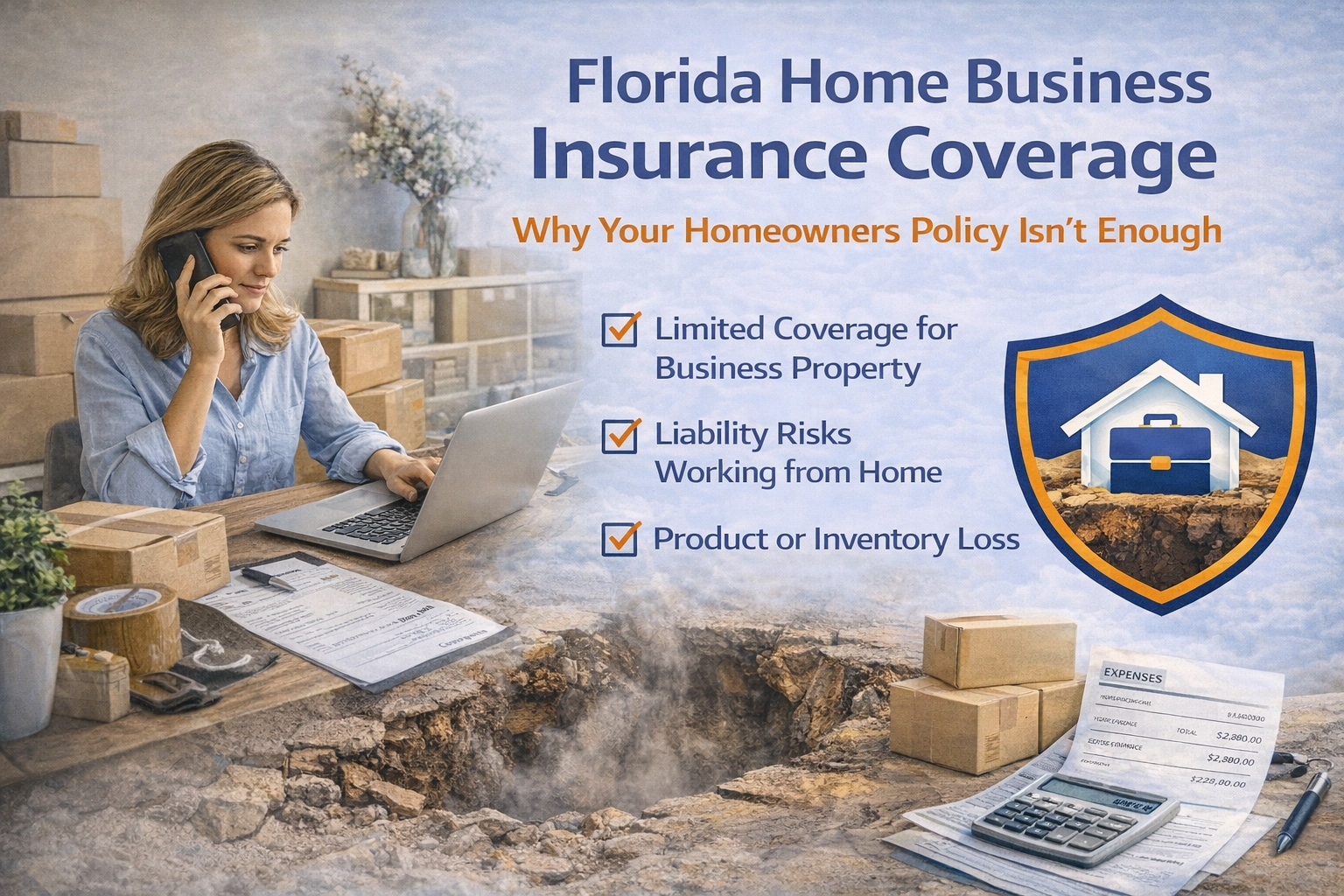
Florida home business insurance coverage fills the gaps your standard homeowners policy creates when you operate a business from home. Whether you're running a consulting practice, selling products online, offering professional services, or seeing clients at your residence, your homeowners insurance likely provides little or no protection for business-related losses.
Equipment theft, client injuries, professional errors, and product liability claims can all fall outside standard homeowners coverage, leaving your business and personal assets exposed.
The assumption that working from home means your homeowners policy covers everything is dangerously common. Standard policies explicitly exclude business activities and business property beyond minimal limits. A client who trips on your front steps during a meeting may not be covered under your homeowners liability. Your $3,000 computer setup used for business may receive only $2,500 in coverage, and nothing if stolen from your car. Understanding these gaps is the first step toward properly protecting your Florida home-based business.
The Business Exclusion in Homeowners Policies
Standard Florida homeowners policies contain explicit exclusions for business activities and business property. These exclusions exist because business operations create different risks than residential living, and insurers price policies based on personal, not commercial, use.
The business property exclusion typically limits coverage for business equipment to $2,500 or less. This includes computers, printers, inventory, tools, and other items used primarily for business. If you're running even a modest home business, your equipment and inventory likely exceed this limit substantially. A serious loss could wipe out your business capability while your policy pays only a fraction of replacement costs.
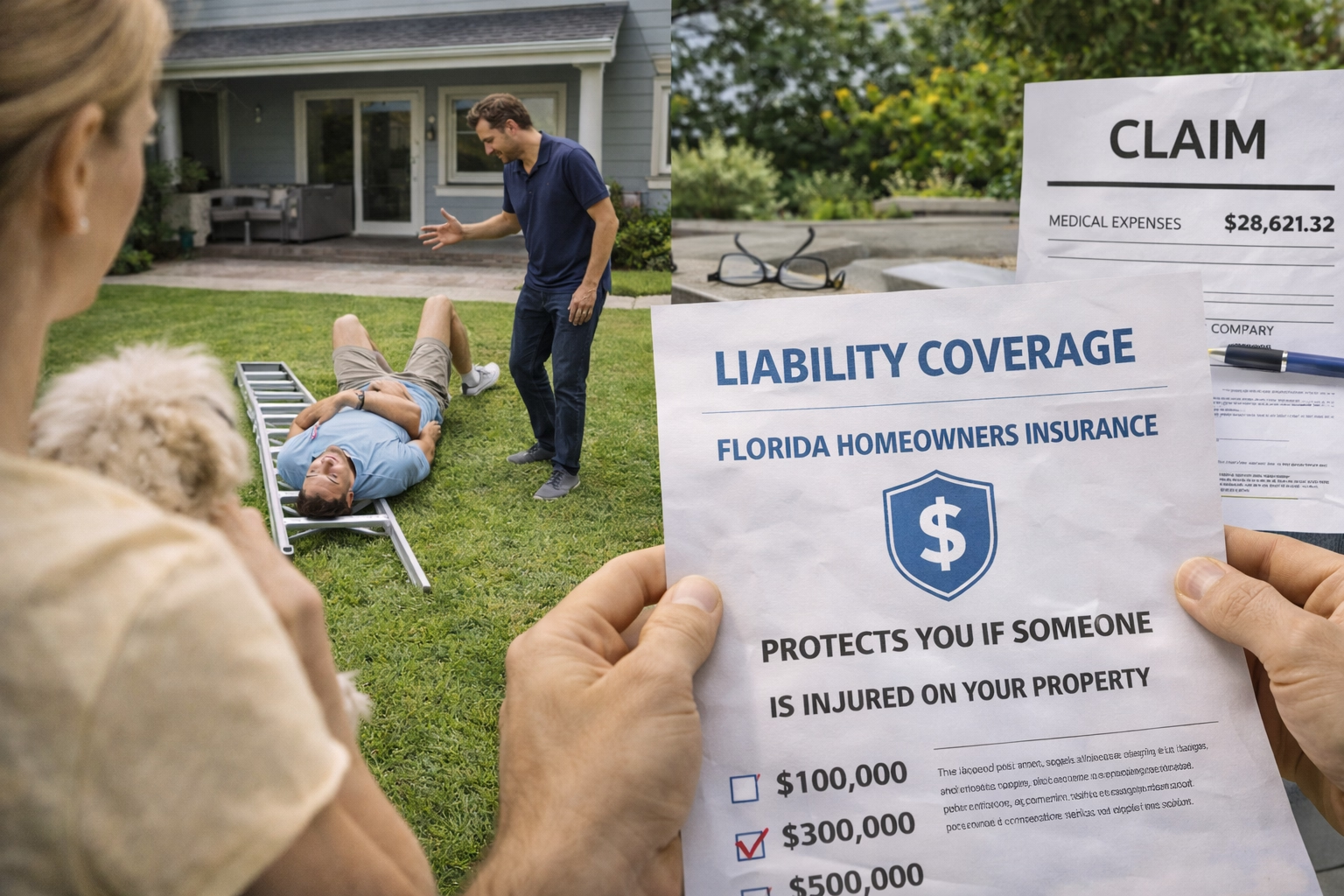
Business liability exclusions are even more significant. If someone is injured in connection with your business activities, your homeowners liability coverage probably won't respond. A client meeting at your home who slips on your walkway may find their claim denied because the visit had a business purpose. The distinction between personal guests and business visitors matters enormously when claims arise.
Professional services face particular exclusion. Errors in your professional advice, mistakes in your work product, or negligent service delivery create liability that homeowners policies explicitly don't cover. A bookkeeper whose error costs a client money, a consultant whose advice leads to business losses, or a designer whose work causes problems all face potential claims their homeowners insurance won't touch.
Products you manufacture or sell create liability excluded from homeowners coverage. If products you make cause injury or damage, product liability claims fall outside your homeowners policy. This applies whether you're selling handmade crafts, prepared foods, or any other products created in your home business.
Types of Home Businesses and Their Risks
Different home business models create different insurance needs. Understanding your specific risk profile helps you obtain appropriate coverage.
Professional services including consulting, accounting, legal work, design, writing, and similar activities create professional liability exposure. Clients may claim your work was negligent, your advice caused harm, or your services failed to meet professional standards. Professional liability insurance, also called errors and omissions coverage, addresses these risks.
Retail and product-based businesses selling online, at craft fairs, or from home need product liability coverage. If items you sell cause injury or property damage, claims can follow. This applies whether you manufacture products yourself or resell items from other sources. General liability coverage typically includes product liability protection.
Service businesses like cleaning, landscaping, handyman work, or personal training create liability during service delivery. Injuries you cause while performing services, or damage to client property, need coverage beyond homeowners policies. General liability insurance provides this protection.
Client-facing businesses where people visit your home create premises liability needs. While homeowners coverage applies to personal guests, business visitors fall under business liability exclusions. If clients, customers, or business associates are injured at your home during business activities, you need business liability coverage.
Online businesses without physical products or client visits still face risks. Cyber liability, intellectual property claims, and professional errors can all create losses. The assumption that purely digital businesses need no insurance often proves costly when claims arise.
Childcare operations run from home face substantial liability exposure and typically require specific licensing and insurance. Florida regulates home childcare providers, and standard homeowners policies explicitly exclude childcare business activities. Specialized childcare liability coverage is essential.
Coverage Options for Home Businesses
Several insurance products address home business gaps. The right choice depends on your business type, size, and risk profile.
Home business endorsements add limited business coverage to your homeowners policy. These endorsements typically increase business property limits to $5,000 or $10,000 and may add some business liability coverage. They're appropriate for small, low-risk operations but inadequate for larger businesses or those with significant liability exposure. Endorsements usually cost $50 to $200 annually.
In-home business policies provide more comprehensive coverage than endorsements while remaining attached to your homeowners policy. These policies offer higher property limits, broader liability coverage, and may include business income protection. They work well for medium-sized home operations without employees and typically cost $200 to $500 annually.
Business owner's policies, commonly called BOPs, package property coverage, liability coverage, and business interruption insurance into a single policy. BOPs provide comprehensive protection appropriate for established home businesses. They're purchased separately from homeowners insurance and priced based on business type and size. Annual costs vary widely but often range from $500 to $2,000 for small home-based operations.
Professional liability insurance specifically covers claims arising from professional errors, negligence, or failure to perform services competently. This coverage is essential for consultants, accountants, designers, and other professionals whose advice or work product could harm clients. It's typically purchased separately from general liability coverage.
General liability insurance covers bodily injury, property damage, and personal injury claims arising from business operations. This includes client injuries at your home, damage you cause while performing services, and certain advertising injuries. General liability often combines with professional liability in professional service businesses.
Product liability coverage protects against claims from products you manufacture or sell. This coverage is typically included in general liability policies but should be verified if you're selling products. Certain high-risk products may require specialized coverage.
Business Income and Extra Expense Coverage
If a covered loss interrupts your home business, business income coverage replaces lost profits during the recovery period. Standard homeowners policies don't include business income protection since they're designed for residential, not commercial, losses.
Imagine a fire damages your home office, destroying equipment and making your workspace unusable for two months. Without business income coverage, you lose two months of revenue with no insurance recovery. Your homeowners policy might cover the physical damage to your home but nothing for business losses.
Business income coverage typically pays net profits you would have earned plus continuing fixed expenses like loan payments, subscriptions, and contractual obligations. Coverage continues until your business returns to normal operations or a specified maximum period expires.
Extra expense coverage pays additional costs incurred to continue operations after a loss. Renting temporary workspace, expediting equipment replacement, or paying overtime to meet obligations all fall under extra expense coverage. These costs reduce business interruption but wouldn't be covered without specific business coverage.
Home-based businesses dependent on technology face particular interruption risk. Equipment failure, power outages, and internet disruptions can halt operations. Some policies offer equipment breakdown coverage addressing these risks, though coverage varies significantly between policies.
Protecting Against Cyber and Data Risks
Home businesses handling customer data, processing payments, or operating online face cyber risks that traditional policies don't address. Cyber insurance has become essential for many home-based operations.
Data breaches exposing customer information create notification obligations, potential regulatory penalties, and liability for resulting harm. Florida law requires notification of affected individuals when personal information is compromised. The costs of breach response, including notification, credit monitoring, and legal compliance, can be substantial.
Ransomware and malware attacks can encrypt your business data and halt operations. Cyber coverage can pay ransoms when recommended by security professionals, fund recovery efforts, and cover business interruption losses from attacks.
Payment card theft creates liability under payment card industry rules. If your business processes credit cards and card data is stolen through your systems, you may face chargebacks, fines, and investigation costs. Cyber coverage addresses these exposures.
Home businesses are attractive targets because they often lack the security infrastructure of larger companies. Criminals know small businesses may have valuable data but minimal protection. Cyber coverage provides both financial protection and access to breach response resources.
Working with Insurance Professionals
Navigating home business insurance requires understanding both homeowners coverage and commercial insurance options. Working with knowledgeable professionals helps ensure you're properly protected.
Start by honestly assessing your business activities and risks. What do you do? Who visits your home for business? What equipment do you use? What could go wrong? Honest assessment enables appropriate coverage recommendations.
Disclose your business activities to your homeowners insurer even if you're not buying business coverage through them. Undisclosed business operations can void your entire homeowners policy if the insurer discovers them. Better to know your homeowners policy limitations than to discover them during a claim.
An independent insurance agent can help you evaluate coverage options across multiple carriers. Home business insurance involves both personal and commercial lines, and agents familiar with both can identify the most appropriate and cost-effective solutions.
Review coverage annually as your business evolves. A side hustle that grows into a significant income source needs more protection than a casual hobby. Revenue growth, new services, employees, and changed operations all warrant coverage review.
Frequently Asked Questions
Does my homeowners insurance cover my home business?
Standard homeowners policies provide minimal or no coverage for home business activities. Business property coverage typically caps at $2,500, and business liability is generally excluded entirely. You need additional coverage through endorsements, separate business policies, or both to properly protect a home-based business.
What is a home business endorsement?
A home business endorsement adds limited business coverage to your homeowners policy, typically increasing business property limits to $5,000 or $10,000 and potentially adding some liability coverage. Endorsements suit small, low-risk operations but provide inadequate protection for larger businesses or those with significant liability exposure.
Do I need professional liability insurance for my home business?
If your business involves professional advice, services, or work product that could harm clients if performed negligently, professional liability insurance is essential. This includes consultants, accountants, designers, writers, and similar professionals. Standard liability policies don't cover professional errors and omissions.
How much does home business insurance cost?
Costs vary widely based on coverage type and business characteristics. Homeowners endorsements run $50 to $200 annually. In-home business policies cost $200 to $500. Full business owner's policies for home operations range from $500 to $2,000 or more. Professional liability costs depend on profession and coverage limits.
What if a client is injured at my home during a business meeting?
Your homeowners liability coverage likely won't respond because the visit had a business purpose. Business visitors are typically excluded from homeowners coverage. You need business liability coverage to protect against injuries to clients, customers, and others visiting for business reasons.
Should I tell my homeowners insurer about my home business?
Yes. Undisclosed business operations can void your entire homeowners policy. Even if your insurer won't cover business activities, they need to know about them. Disclosure protects your homeowners coverage and begins the conversation about what additional coverage you may need.
If you’re a homeowner in Florida, having the right insurance coverage is essential to protect your investment from hurricanes, floods, and other unexpected events. Learn more about the different coverage options, policy requirements, and ways to save by visiting our detailed guide to Florida homeowners insurance.

Get a
Florida Home Insurance
Quote





.avif)


















To see how Worth can reduce your risk.
Get a Free Quote


