Florida Home Insurance Senior Discounts: Savings Opportunities for Older Homeowners

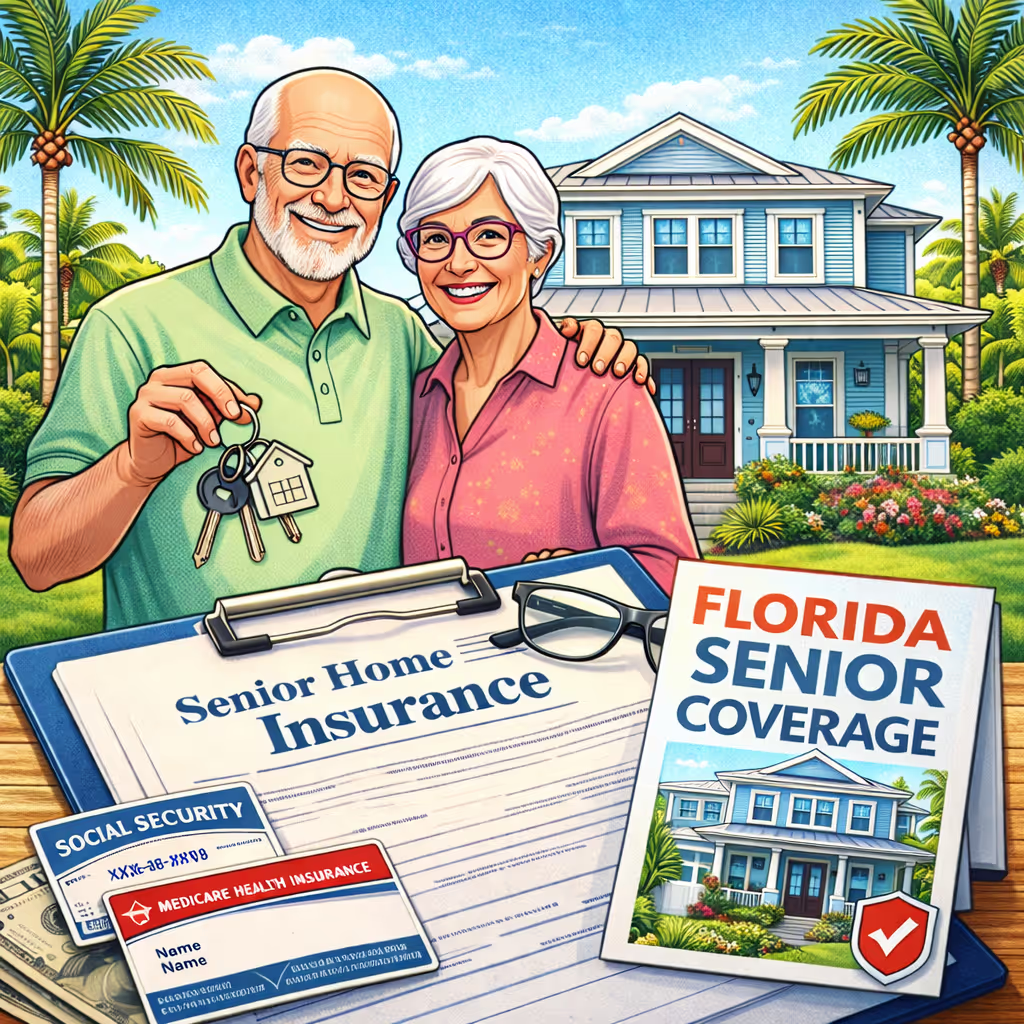
Florida home insurance senior discounts help offset the state's high premiums for older homeowners living on fixed incomes. Florida has the highest percentage of residents aged 65 and older in the nation, approximately 21% according to U.S. Census Bureau data, making senior-specific insurance considerations particularly relevant here.
While not all insurers offer explicit age-based discounts, many provide savings opportunities that benefit seniors including retiree discounts, mature homeowner programs, and credits for factors that correlate with older homeownership like mortgage-free status and long-term policy tenure.
The relationship between age and home insurance is complicated. Seniors often present lower risk profiles because they're home more frequently to notice problems, tend to maintain properties diligently, and file fewer claims on average than younger homeowners. However, older homes that seniors have owned for decades may have aging roofs, outdated electrical systems, and other features that concern insurers. Understanding both the discounts available and the factors working against you helps Florida seniors navigate insurance costs more effectively.
Types of Senior Discounts Available
Insurance companies structure senior-related discounts differently, and not every insurer offers the same programs. Knowing what to ask about helps you identify all available savings.
Explicit age-based discounts reward homeowners who reach certain age thresholds, typically 55, 60, or 65. These discounts range from 5% to 15% depending on the insurer and may increase at higher ages. Not all Florida insurers offer explicit age discounts, but enough do that it's worth asking specifically about age-related programs.
Retiree discounts recognize that retired homeowners spend more time at home, enabling faster response to emergencies and better property monitoring. Some insurers offer retirement discounts regardless of age, while others combine retirement status with age requirements. Documentation of retirement status, typically through pension statements or Social Security records, may be required.
Mature homeowner programs package several benefits for older policyholders. These programs might include reduced rates, specialized coverage options, dedicated service lines, and additional discounts for completing home safety courses. Some insurers market these as loyalty programs for long-term customers who have aged with the company.
Claims-free discounts benefit seniors who have maintained insurance without filing claims over extended periods. While not age-specific, these discounts often favor older homeowners who have owned homes longer and accumulated claims-free years. Discounts of 10% to 20% for extended claims-free periods are common.
Mortgage-free discounts apply when you own your home outright without a mortgage. Many seniors have paid off their mortgages, qualifying them for this discount that younger homeowners carrying mortgages cannot access. Insurers view mortgage-free homes as lower risk because owners have strong financial incentive to maintain their investment.
Factors That Can Increase Senior Premiums
While discounts help, seniors also face factors that can push premiums higher. Understanding these challenges helps you address them proactively.
Older homes with aging systems concern insurers significantly. Roofs over 15 to 20 years old, electrical systems with outdated wiring, plumbing that hasn't been updated, and HVAC systems past their expected lifespan all raise red flags. Seniors who purchased homes decades ago may face premium increases or coverage restrictions related to these aging components.
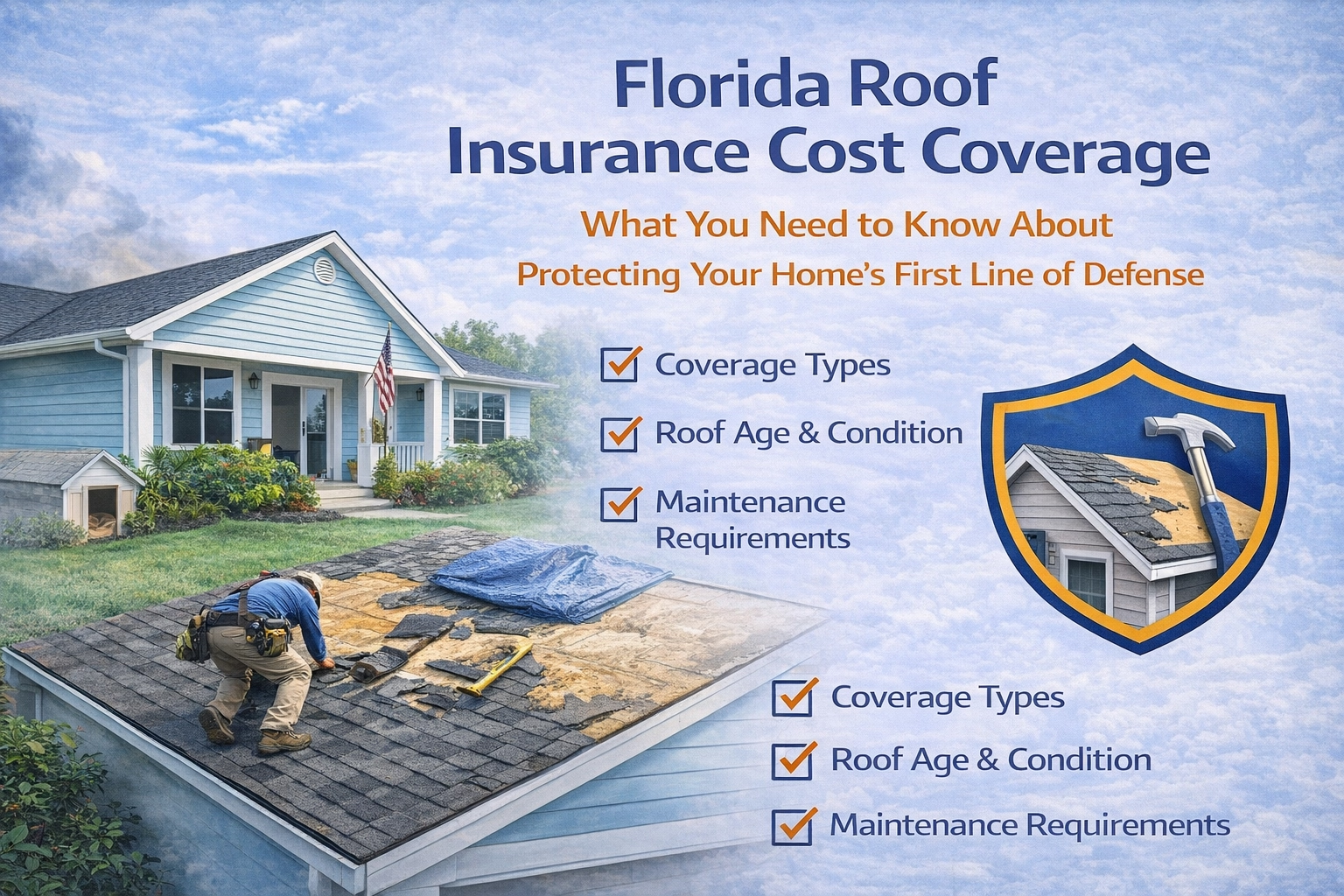
Roof age has become particularly problematic in Florida's current insurance market. Many insurers now require roofs under 15 years old, with some demanding roofs under 10 years for coastal properties. Seniors with functional but older roofs may find themselves unable to obtain coverage from private insurers, forcing them toward Citizens Property Insurance regardless of their otherwise favorable risk profile.
Florida homeowners insurance age requirements increasingly affect home insurability independent of the owner's age. A 70-year-old in excellent health may face insurance challenges not because of their personal age but because their 25-year-old roof doesn't meet current underwriting standards.
Location concentration in high-risk areas affects many Florida seniors. Popular retirement destinations including coastal communities, barrier islands, and established neighborhoods often carry elevated hurricane and flood risk. The same features that make these areas attractive for retirement also make them expensive to insure.
Fixed incomes create particular vulnerability to premium increases. When insurance costs rise 20% or 30% annually, seniors on fixed retirement incomes feel the impact more acutely than working households with rising wages. This financial reality makes finding and maximizing discounts especially important for retirees.
Maximizing Available Discounts
Proactive steps beyond simply aging help seniors capture maximum insurance savings. These strategies work regardless of which specific discounts your insurer offers.
Complete a home safety or loss prevention course if your insurer offers credits for education. Some insurers provide 5% to 10% discounts for completing approved courses covering fire safety, accident prevention, and emergency preparedness. AARP and other organizations offer courses that multiple insurers accept.
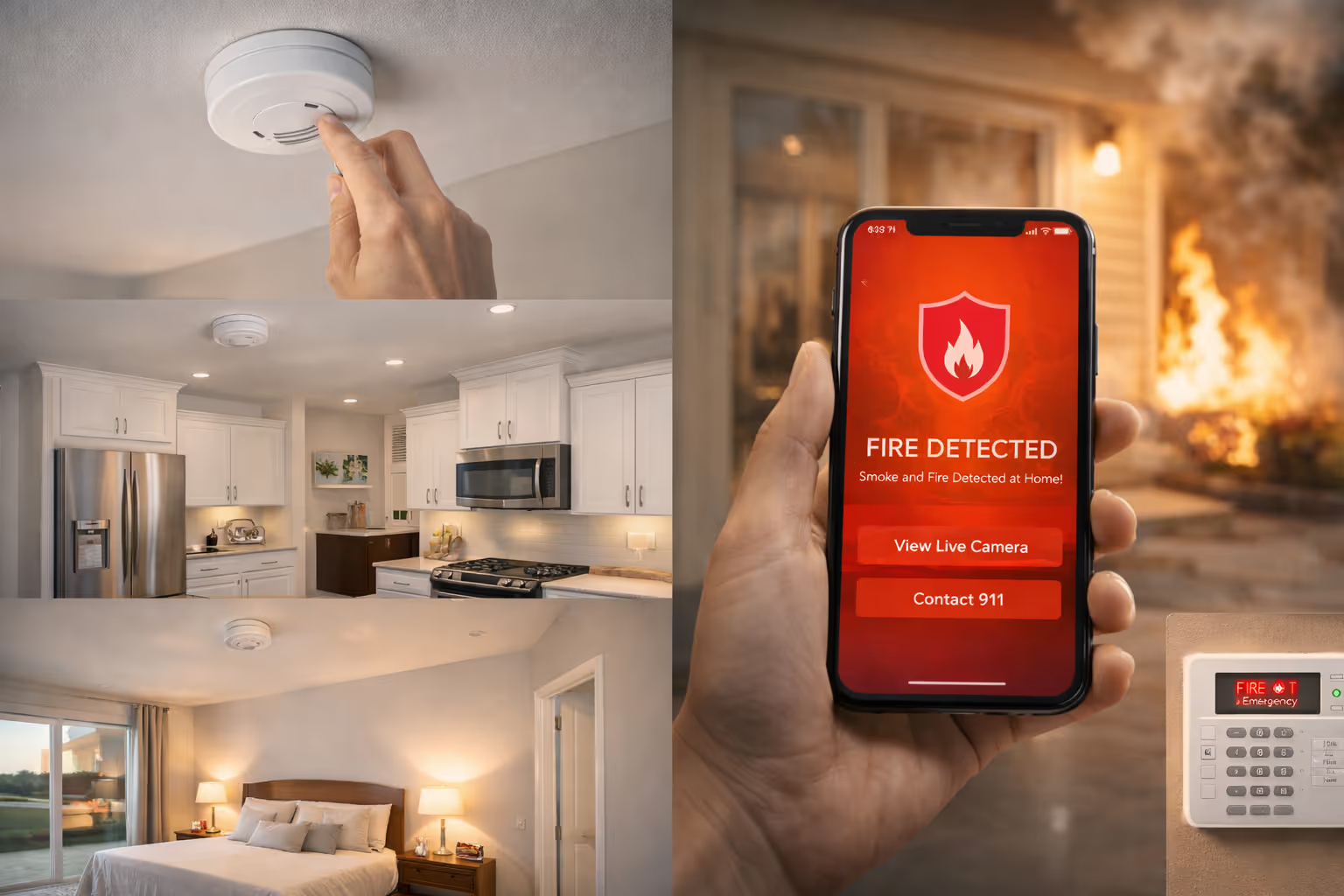
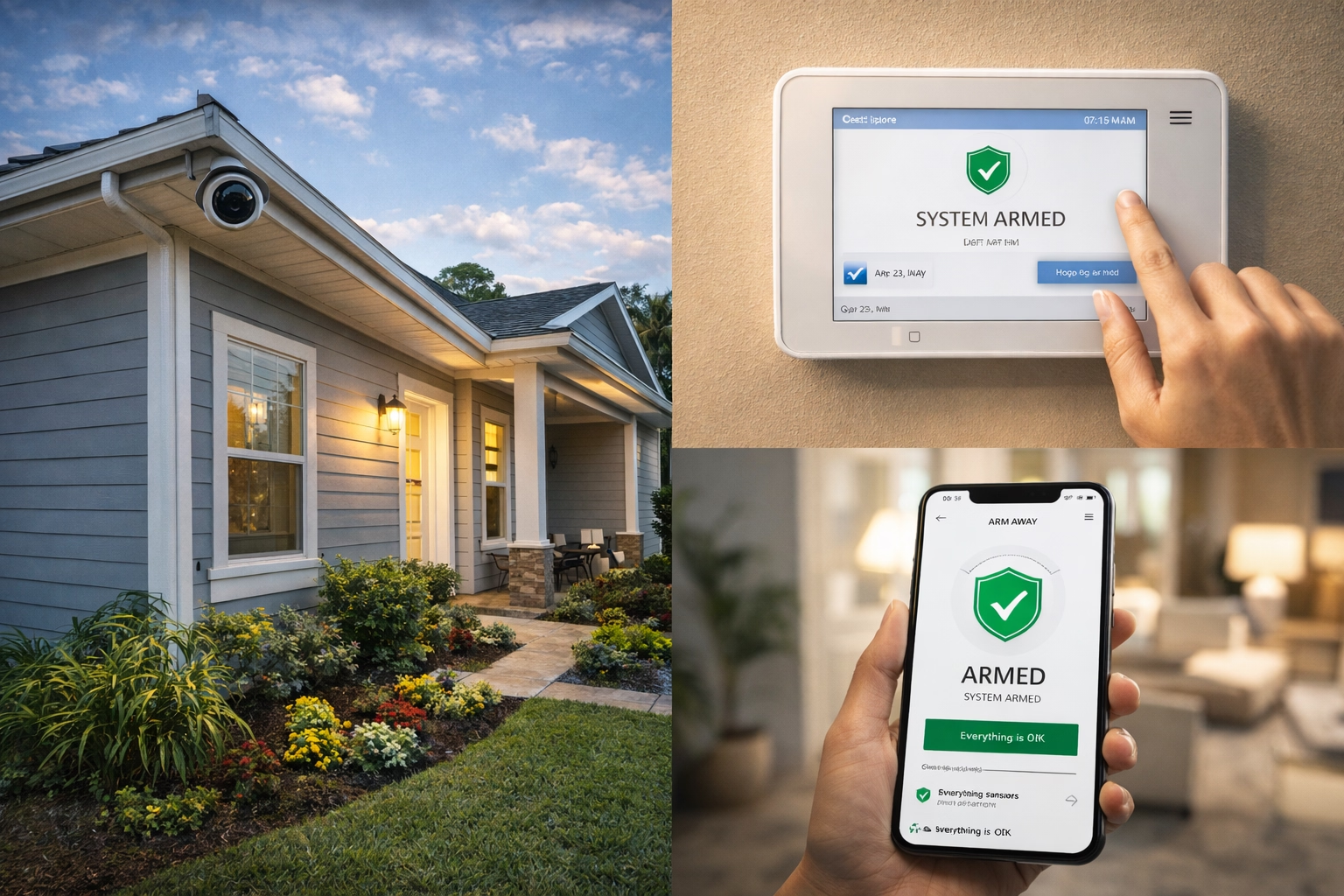
Install and maintain safety devices that qualify for discounts. Smoke detectors, fire extinguishers, security systems, water leak sensors, and deadbolt locks all may generate small individual discounts that compound to meaningful savings. Monitored security systems typically earn larger discounts than unmonitored devices.
Update your home's systems strategically to address underwriting concerns while maintaining insurability. A roof replacement, electrical upgrade, or plumbing improvement represents a significant expense but may be necessary to retain private market coverage. These improvements also typically qualify for discounts or better rates once completed.
Obtain a wind mitigation inspection documenting hurricane-resistant features in your home. Florida law requires insurers to offer discounts for wind-resistant construction. Seniors in homes built after 2002 or homes with retrofit improvements may qualify for substantial savings of 20% to 40% or more on the windstorm portion of their premium.
Bundle policies to combine discounts with age-related savings. Bundling your home and auto insurance adds another 5% to 15% savings on top of any senior discounts you receive. If you own a boat, RV, or other insurable assets, adding them to the bundle may increase discounts further.
Maintain continuous coverage without lapses. Coverage gaps can disqualify you from claims-free and loyalty discounts while potentially raising your base rates. Even when switching insurers, ensure new coverage begins before old coverage ends.
Working with Insurance Professionals
Navigating Florida's complex insurance market as a senior benefits from professional guidance. The right agent helps identify discounts you might miss and addresses challenges older homeowners commonly face.
Independent agents representing multiple carriers can compare options across insurers to find the best combination of coverage, price, and available discounts for your situation. Different insurers emphasize different discount programs, and an agent comparing multiple companies identifies which carrier values your specific profile most favorably.
Ask agents specifically about senior and retiree discounts. These programs aren't always prominently advertised, and agents may not mention them unless asked. A direct question about age-based or retirement discounts ensures you don't miss available savings.
Discuss your home's age and condition honestly with your agent. If aging systems create insurability challenges, your agent can advise which updates matter most, which insurers are most flexible, and how to position your application for the best outcome. Hiding issues leads to coverage problems later.
Review coverage annually even if you're satisfied with your current insurer. Premium increases, policy changes, and market shifts mean last year's best option may not remain optimal. Annual reviews catch both problems and opportunities.
Consider whether Citizens Property Insurance makes sense given your circumstances. Citizens offers coverage when private insurers won't, and its rates may be competitive for homes with characteristics private insurers penalize heavily. Your agent can compare Citizens quotes against private market options.
Special Considerations for Florida Senior Homeowners
Several issues affect Florida seniors more than typical homeowners. Planning for these considerations protects both your finances and your coverage.
Snowbird arrangements where you spend part of the year elsewhere require careful policy structuring. Standard homeowners policies expect properties to be occupied. Extended vacancies during summer months may require vacancy endorsements or specific disclosure to maintain coverage. Some insurers offer seasonal or snowbird programs recognizing this common pattern among Florida retirees.
Secondary home ownership, whether a northern summer home or Florida vacation property, creates multi-property insurance considerations. Each property needs appropriate coverage, and you may benefit from insuring both homes with the same carrier for multi-property discounts.
Estate planning intersects with insurance when seniors begin transferring property to children or trusts. Ownership changes affect insurable interest and policy validity. Consult both insurance and legal professionals before transferring property to ensure continuous appropriate coverage.
Living trusts and other ownership structures require proper policy documentation. If your home is owned by a trust rather than in your personal name, the policy should reflect this ownership. Mismatches between actual ownership and policy documentation can create claim problems.
Long-term care considerations sometimes prompt home modifications that affect insurance. Adding accessibility features, modifying bathrooms, or making other aging-in-place improvements may require policy adjustments. Some modifications may also qualify for additional discounts.
Addressing Roof and Home Age Challenges
Roof age requirements create perhaps the biggest insurance challenge for Florida seniors. Properties owned for decades often have roofs older than what insurers prefer, creating coverage and cost challenges.
Roof inspections separate from insurance requirements help you understand your roof's actual condition. A roof approaching insurer age thresholds but in excellent condition might warrant different strategy than one showing wear. Professional inspections cost $75 to $200 and provide documentation supporting your coverage applications.
Roof replacement before insurance requires it positions you favorably with insurers. Proactive replacement lets you choose timing, materials, and contractors rather than rushing when coverage is threatened. New roofs qualify for maximum wind mitigation credits and broadest insurer acceptance.
Roof coating and restoration systems can extend roof life and sometimes satisfy insurer requirements at lower cost than full replacement. These systems seal and reinforce existing roofing, potentially adding five to ten years of serviceable life. Not all insurers accept coated roofs as equivalent to new roofs, so verify acceptance before investing.
Citizens Property Insurance accepts older roofs than most private insurers, making it a viable option for seniors whose homes private insurers won't cover due to roof age. Citizens applies roof-age-based deductible schedules rather than declining coverage entirely.
Roofing contractors sometimes offer payment plans or financing that help seniors manage replacement costs without depleting savings. Exploring financing options may make necessary replacements more feasible than paying entirely upfront.
Frequently Asked Questions
Do insurance companies offer discounts specifically for seniors? Some Florida insurers offer explicit age-based discounts, typically 5% to 15% for homeowners reaching ages 55, 60, or 65. Others offer retiree discounts, mature homeowner programs, or loyalty discounts that often benefit seniors. Not all insurers offer the same programs, so asking specifically about senior discounts with each company is important.
What age qualifies for senior home insurance discounts in Florida? Qualifying ages vary by insurer. Some start discounts at age 55, others at 60 or 65. A few increase discounts at higher ages like 70 or 75. There's no standard industry threshold, so you should ask each insurer about their specific age requirements for any senior programs they offer.
Why might my premium increase even though I'm eligible for senior discounts? Factors beyond age affect your premium. Roof age, home age, claims history, coverage amounts, location risk, and market conditions all influence pricing. A 10% senior discount doesn't help if your roof age triggers a 30% surcharge or your insurer raised base rates 25%. Overall costs reflect all factors combined.
Do retirees get better rates on home insurance? Retirees often receive discounts because they're home more frequently to monitor property and respond to emergencies. Some insurers offer specific retiree discounts requiring proof of retirement status. Combined with claims-free history many retirees have accumulated, retirement can positively affect rates.
Can I get home insurance in Florida with an old roof as a senior? Roof age affects insurability regardless of your personal age. If your roof exceeds insurer thresholds, typically 15 to 20 years, you may face limited options from private insurers. Citizens Property Insurance offers more flexibility on roof age. Updating your roof restores full market access and often qualifies for additional discounts.
What discounts should seniors ask about when shopping for insurance? Ask specifically about age-based discounts, retiree programs, claims-free credits, mortgage-free discounts, loyalty discounts for long-term customers, security device discounts, and wind mitigation credits. Also ask about bundling home and auto coverage. Different insurers emphasize different discount programs.
If you’re a homeowner in Florida, having the right insurance coverage is essential to protect your investment from hurricanes, floods, and other unexpected events. Learn more about the different coverage options, policy requirements, and ways to save by visiting our detailed guide to Florida homeowners insurance.

Get a
Florida Home Insurance
Quote




.avif)















To see how Worth can reduce your risk.
Get a Free Quote


