Florida Home Insurance Reinstatement After Cancellation: Restoring Your Coverage

Florida home insurance reinstatement after cancellation is possible in many situations, though the process becomes more difficult and expensive the longer your coverage gap lasts. Whether your policy was cancelled for non-payment, underwriting issues, or claims history, options exist to restore protection for your home. The key is acting quickly since even brief coverage lapses create serious risks and make future insurance harder to obtain.
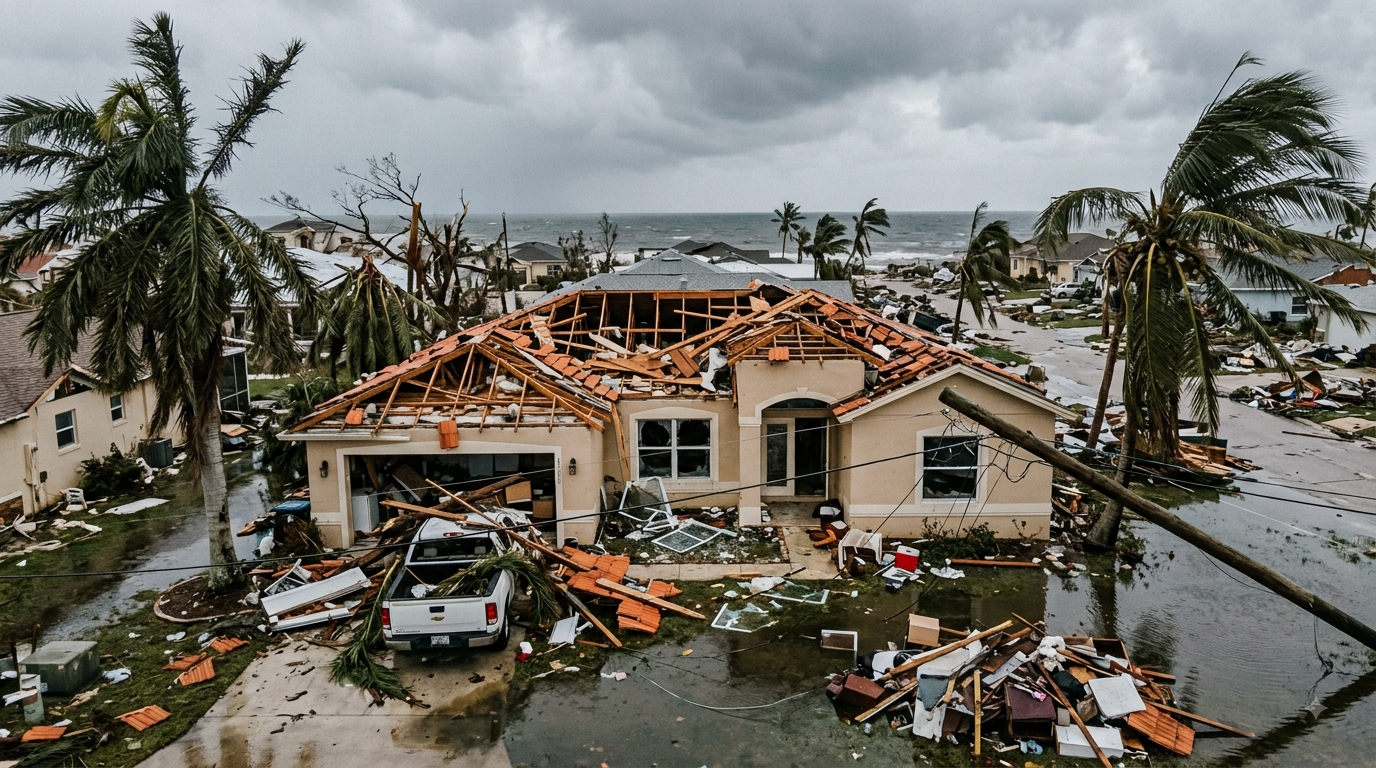
A lapse in Florida home insurance exposes you to catastrophic financial loss while simultaneously making you a less attractive customer to insurers. If a hurricane strikes during your coverage gap, you bear the entire reconstruction cost yourself. Meanwhile, insurers view coverage lapses as red flags suggesting either financial instability or deliberate risk-taking, neither of which they want to insure. Understanding how to restore coverage quickly and prevent future cancellations protects both your home and your long-term insurability.
Why Home Insurance Gets Cancelled
Understanding why cancellation occurred helps you address underlying issues and avoid repeat problems. Different cancellation causes require different solutions.
Non-payment cancellation happens when premium payments are missed and grace periods expire. Florida law requires insurers to provide notice before cancelling for non-payment, typically 10 to 14 days depending on payment method. If you don't pay within this period, coverage terminates. This is the most common cancellation cause and often the easiest to remedy since paying what's owed may restore coverage.
Underwriting cancellation occurs when insurers discover information making your property unacceptable under their guidelines. Roof age exceeding their limits, undisclosed hazards like pools or trampolines, or property condition issues identified during inspection can trigger cancellation. These cancellations typically happen within the first 60 to 90 days of a new policy when insurers can cancel for underwriting reasons with minimal notice.
Non-renewal differs from mid-term cancellation. Insurers can choose not to renew your policy at the end of its term, typically providing 45 to 120 days notice depending on circumstances. Non-renewal might result from claims history, property changes, or the insurer's decision to exit your geographic area or reduce certain coverage types.
Claims-related cancellation can occur if you've filed multiple claims within a short period. While Florida law limits cancellation solely for filing claims, insurers can non-renew after excessive claims or cancel if claims reveal previously unknown hazards. A pattern of water damage claims might prompt investigation revealing ongoing maintenance issues justifying cancellation.
Fraud or misrepresentation cancellation happens when insurers discover you provided false information on your application. Understating your home's age, hiding previous claims, or misrepresenting property features can void your policy entirely, sometimes retroactively.
Mortgage-related cancellation occasionally occurs when lenders force-place coverage and you fail to maintain the required insurance. While this doesn't cancel your previous policy, it indicates a coverage problem requiring resolution.
The Reinstatement Process
Reinstating cancelled coverage follows different paths depending on cancellation cause, how much time has passed, and your former insurer's policies. Acting quickly maximizes your chances of successful reinstatement.
Contact your former insurer immediately upon discovering cancellation or as soon as possible after missing a payment. Many insurers offer reinstatement within certain timeframes, often 10 to 30 days after cancellation, if you pay all past-due amounts plus any reinstatement fees. Same-day reinstatement may be possible if you catch the problem quickly.
Payment of all amounts owed including past-due premiums, late fees, and reinstatement charges is typically required. Some insurers require full policy payment rather than resuming monthly payments. Have payment ready when you call to expedite the process.
Reinstatement fees vary by insurer but typically range from $25 to $100. These fees compensate for administrative costs and provide incentive to maintain continuous payment. Some insurers waive fees for first-time lapses or loyal customers.
Coverage gap implications must be addressed during reinstatement. Your insurer will clarify whether reinstatement is retroactive, covering you back to the cancellation date, or prospective only, leaving a gap. Retroactive reinstatement protects you if something happened during the lapse. Prospective reinstatement leaves you exposed for the gap period.
Proof of no loss during the lapse may be required before reinstatement. Insurers don't want to reinstate coverage only to immediately pay claims for damage that occurred while you were uninsured. You may need to sign statements confirming no losses occurred or allow inspection to verify property condition.
Mortgage lender notification matters if you have a mortgage. Your lender likely received cancellation notice and may have force-placed expensive coverage. Once you reinstate or obtain new coverage, notify your lender immediately to cancel force-placed insurance and restore proper escrow accounting.
When Reinstatement Isn't Possible
Sometimes former insurers won't reinstate coverage, requiring you to find new insurance. Understanding these situations helps you know when to pursue reinstatement versus shopping for new coverage.
Extended time since cancellation reduces reinstatement likelihood. Most insurers only reinstate within 10 to 30 days of cancellation. After 30 days, reinstatement becomes unlikely and you'll need new coverage. After 60 days, virtually no insurer will reinstate, treating you as a new applicant with a coverage gap.
Repeated cancellations for non-payment may disqualify you from reinstatement. Insurers distinguish between a first-time oversight and a pattern of missed payments. If you've been cancelled and reinstated previously, the same insurer may refuse to reinstate again.
Underwriting-related cancellations typically aren't reinstated since the underlying problem remains. If your policy was cancelled because your roof is too old, paying premiums doesn't solve the roof age issue. You'll need to address the underlying problem before any insurer will provide coverage.
Claims-related non-renewals or cancellations rarely reverse. If excessive claims led to your coverage termination, the claims history remains regardless of reinstatement. You'll need to find an insurer willing to accept your claims history.
Insurer market exit means reinstatement is impossible if your carrier has stopped writing Florida business entirely. Several insurers have exited Florida in recent years, leaving policyholders to find new coverage rather than reinstating.
Finding New Coverage After Cancellation
When reinstatement isn't available, you need new insurance, which becomes more challenging after cancellation. Several strategies help you find coverage.
Disclose your coverage gap honestly on all applications. Attempting to hide a lapse often backfires when insurers check your coverage history through industry databases. Dishonesty can void new policies and make future coverage even harder to obtain.
Explain the circumstances if there's a reasonable explanation for your lapse. A one-time payment oversight due to hospitalization, mail problems, or account issues is viewed more favorably than apparent disregard for coverage. Documentation supporting your explanation helps.
Work with an independent insurance agent who can access multiple carriers. Some insurers are more tolerant of coverage gaps than others. An agent representing many companies can identify which might accept your situation rather than you calling carrier after carrier.
Consider surplus lines carriers if admitted market options are limited. Surplus lines insurers have more flexibility in underwriting and may accept risks standard carriers decline. Premiums will be higher and consumer protections fewer, but coverage is better than no coverage.
Citizens Property Insurance serves as Florida's insurer of last resort when private coverage isn't available. You must demonstrate private market unavailability by obtaining declinations before Citizens will issue coverage. Citizens will cover homes that private insurers won't, including those with coverage gaps, though rates have been increasing.
Address underlying issues before applying for new coverage. If your policy was cancelled for roof age, property condition, or other correctable issues, fixing those problems before applying gives you the best chance at affordable coverage. Applying with known disqualifying factors wastes time and creates additional declinations on your record.
Expect higher premiums after a lapse. Insurance history matters, and gaps in coverage suggest higher risk to insurers. Even when you find coverage, expect to pay more than you would with continuous coverage history. This premium penalty typically decreases over time as you rebuild positive coverage history.
Avoiding Future Cancellations
Preventing cancellation is far easier than recovering from it. Several practices help maintain continuous coverage.
Set up automatic payments to avoid missed premium deadlines. Payment problems cause most cancellations, and autopay eliminates the risk of forgetting or misplacing bills. Use a payment method that won't fail, like a bank account with consistent balance rather than a credit card that might hit its limit.
Monitor your mail and email for insurance communications. Cancellation notices, renewal documents, and premium invoices require timely response. If you travel frequently or use a vacation home address, ensure someone monitors correspondence or forward mail appropriately.
Maintain your property to avoid underwriting problems. Address roof issues before they trigger cancellation. Fix maintenance problems before they cause claims that affect your insurability. Regular maintenance prevents both property damage and insurance problems.
File claims judiciously. Multiple claims within a short period raise red flags for insurers. Consider whether small claims worth filing given your deductible and potential insurance consequences. Sometimes paying smaller repairs out of pocket preserves your insurability for major losses.
Communicate with your insurer about property changes. Adding a pool, getting a dog, starting a home business, or making other changes can affect your coverage. Proactive disclosure prevents surprises that lead to cancellation.
Review policy terms at each renewal. Coverage requirements, payment schedules, and policy conditions may change. Understanding your obligations prevents inadvertent violations that could trigger cancellation.
Maintain adequate escrow if your mortgage company pays insurance. Escrow shortages can result in unpaid premiums and cancellation. Monitor escrow statements and address shortfalls promptly.
Mortgage Implications of Insurance Cancellation
Homeowners with mortgages face additional complications when insurance is cancelled. Understanding these implications helps you navigate the situation.
Mortgage contracts require continuous insurance. Your loan documents almost certainly require homeowners insurance meeting minimum coverage standards throughout the loan term. Cancellation puts you in technical default of your mortgage agreement.
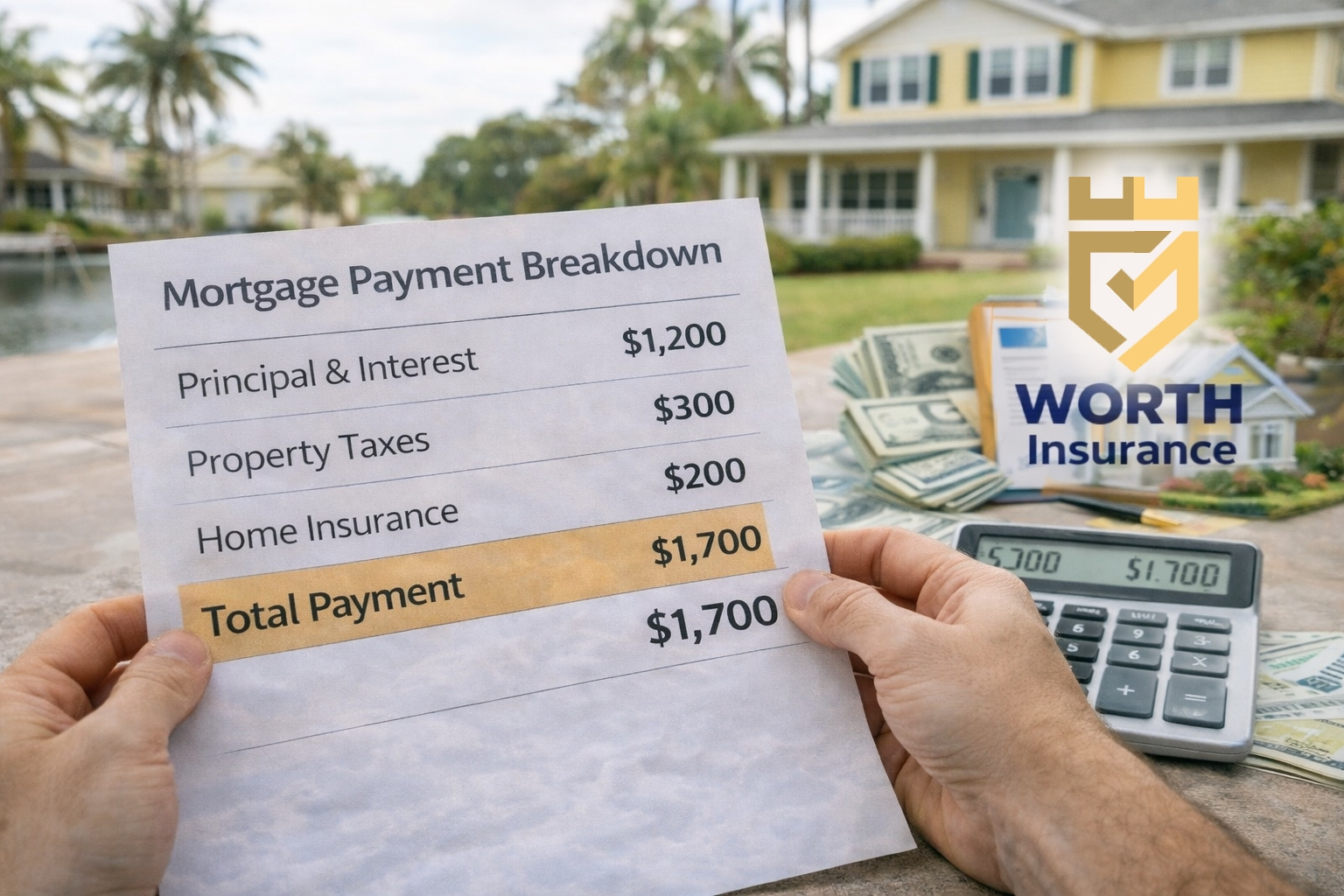
Force-placed insurance typically follows quickly after lender notification of cancellation. Lenders purchase coverage protecting their interest in your property, billing you through increased escrow payments. Force-placed insurance costs dramatically more than standard coverage, often two to three times as much, while providing minimal protection focused on the lender's interest rather than yours.
Escrow account disruption occurs when force-placed insurance premiums hit your account. Your monthly payment may increase substantially or your escrow may go deeply negative. Straightening out escrow accounting after resolving the insurance situation takes months and careful attention.
Credit implications can follow if you fall behind on increased payments or if lenders report the default to credit bureaus. While insurance cancellation itself doesn't affect credit, the financial disruption it causes can cascade into credit problems.
Communicate with your lender immediately upon insurance cancellation or reinstatement. Provide proof of new coverage as soon as you obtain it to cancel force-placed insurance quickly. Follow up to ensure proper escrow accounting restoration.
Frequently Asked Questions
Can I reinstate my Florida home insurance after cancellation for non-payment?
Often yes, if you act quickly. Most insurers allow reinstatement within 10 to 30 days of cancellation if you pay all past-due premiums plus any reinstatement fees. Contact your insurer immediately upon discovering cancellation. After 30 days, reinstatement becomes unlikely and you'll need to find new coverage.
How long can I go without home insurance in Florida?
There's no legal requirement for homeowners without mortgages to carry insurance, but any gap exposes you to catastrophic loss risk and makes future insurance harder to obtain. Mortgage holders must maintain continuous coverage per loan requirements. Even brief gaps create problems, so minimize lapse duration as much as possible.
Will I pay more for insurance after a coverage lapse?
Typically yes. Insurers view coverage gaps as risk indicators and charge accordingly. The premium penalty varies by insurer, gap length, and gap circumstances. Expect to pay more immediately after a lapse, with rates potentially improving over time as you rebuild positive coverage history.
What if I can't find private insurance after cancellation?
Citizens Property Insurance serves as Florida's insurer of last resort for homeowners who cannot obtain private coverage. You must demonstrate private market unavailability through declination documentation. While Citizens rates have increased, they will provide coverage when private insurers won't.
How does insurance cancellation affect my mortgage?
Mortgage contracts require continuous insurance. Cancellation triggers force-placed insurance where your lender purchases expensive coverage protecting their interest, dramatically increasing your costs. You may technically be in default of your mortgage agreement. Restore proper coverage quickly and communicate with your lender to minimize damage.
How can I prevent insurance cancellation in the future?
Set up automatic payments to avoid missed premiums. Monitor communications from your insurer. Maintain your property, especially roofing. File claims judiciously since multiple claims raise red flags. Communicate proactively about property changes. Review policy terms at renewal to understand your obligations.
If you’re a homeowner in Florida, having the right insurance coverage is essential to protect your investment from hurricanes, floods, and other unexpected events. Learn more about the different coverage options, policy requirements, and ways to save by visiting our detailed guide to Florida homeowners insurance.

Get a
Florida Home Insurance
Quote





.avif)


















To see how Worth can reduce your risk.
Get a Free Quote


