Florida Home Insurance Dwelling Coverage Explained: Protecting Your Home's Structure
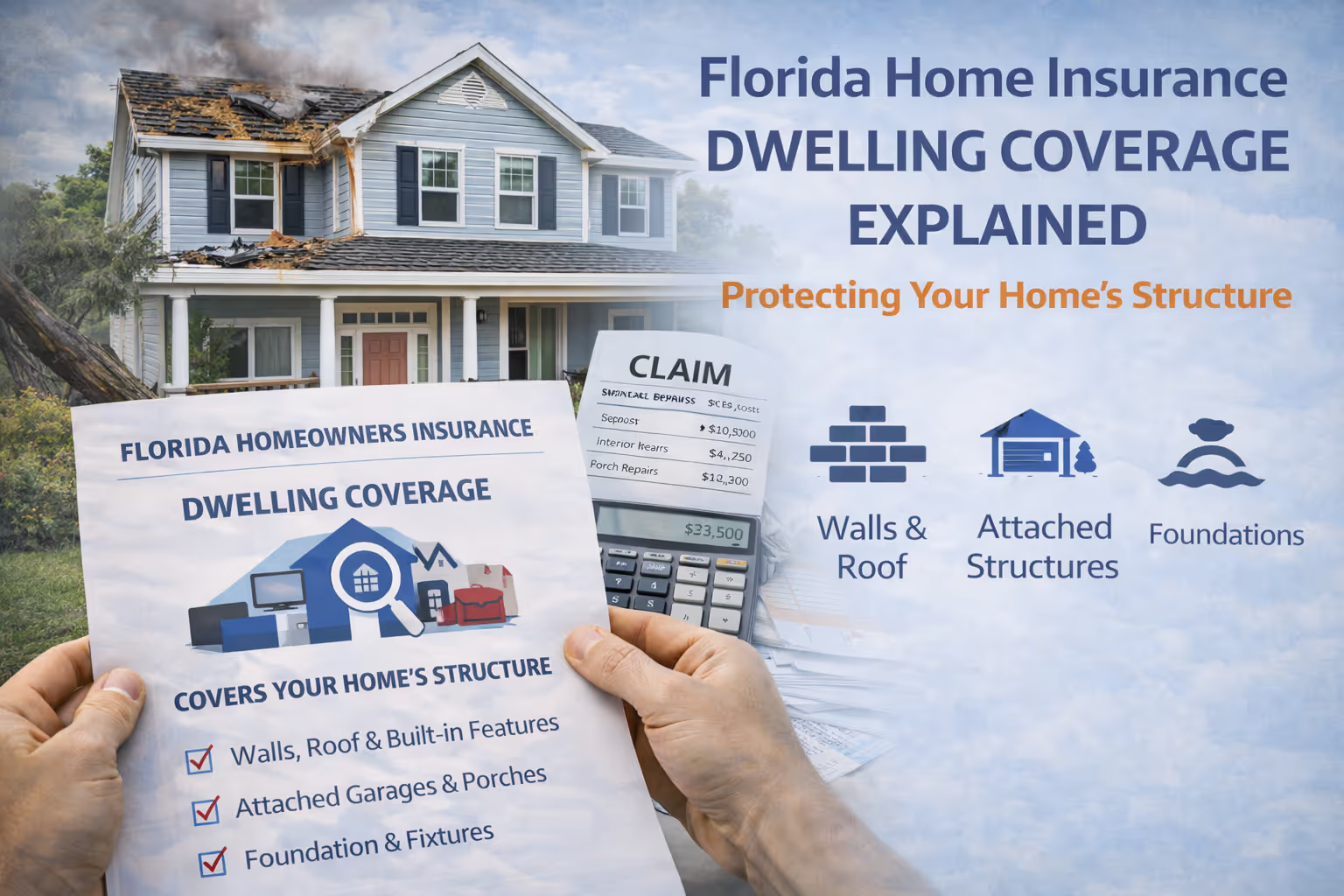
Florida home insurance dwelling coverage, listed as Coverage A on your policy, pays to repair or rebuild your home's physical structure after covered damage. This includes the house itself, attached garages, built-in appliances, and permanently installed fixtures like cabinets and flooring.
When a hurricane tears off your roof, a fire guts your kitchen, or a fallen tree crashes through your living room, dwelling coverage handles the repair or reconstruction costs. Getting this coverage right matters more than any other part of your policy because your home represents your largest financial investment.
The dwelling coverage amount on your policy should reflect what it would actually cost to rebuild your home from the ground up at current construction prices. This figure often differs substantially from your home's market value, your purchase price, or your mortgage balance. Florida's construction costs have risen dramatically in recent years, particularly after Hurricane Ian created unprecedented demand for contractors and materials throughout Southwest Florida. Many homeowners carry dwelling coverage that would have been adequate five years ago but falls dangerously short today.
What Dwelling Coverage Includes
Your dwelling coverage protects the physical structure where you live. This encompasses exterior walls, the roof, foundation, floors, ceilings, built-in cabinetry, plumbing systems, electrical wiring, HVAC equipment, and permanently installed fixtures. Attached structures like garages, covered porches, and screened lanais typically fall under dwelling coverage as well.
Built-in appliances receive dwelling coverage protection because they're considered part of the structure. Your built-in microwave, dishwasher, garbage disposal, and similar permanently installed items would be repaired or replaced under Coverage A. Freestanding appliances like refrigerators and washing machines fall under personal property coverage instead.
Fixtures that would stay with the house if you sold it generally qualify for dwelling coverage. Ceiling fans, light fixtures, bathroom vanities, and similar items are part of the structure. Wall-to-wall carpeting installed over subflooring counts as part of the dwelling. Area rugs sitting on top of flooring are personal property.
Detached structures on your property, such as separate garages, sheds, pool houses, and fences, typically fall under Coverage B rather than dwelling coverage. Most policies set Coverage B at 10% of dwelling coverage automatically, though you can increase this if you have substantial outbuildings.
How Much Dwelling Coverage You Need
The goal is coverage sufficient to completely rebuild your home at current construction costs. This reconstruction cost differs from market value in important ways. Market value includes land, location desirability, and neighborhood factors. Reconstruction cost reflects only what a contractor would charge to build your specific home today.
Several factors influence reconstruction costs in Florida. Square footage provides a starting point, with custom homes costing more per square foot than basic construction. Architectural complexity matters because unusual rooflines, multiple stories, and custom features increase building costs. Interior finishes ranging from builder-grade basics to high-end custom work dramatically affect reconstruction expenses.
Florida's unique construction requirements add costs that homeowners from other states might not anticipate. Hurricane-resistant construction including impact windows, reinforced roof connections, and concrete block construction costs more than standard building methods. Homes in flood zones may require elevated construction adding substantial expense.
Construction costs have increased 30% to 50% across much of Florida since 2020. Labor shortages, material price increases, and post-hurricane demand spikes all contribute. A home that cost $250,000 to build in 2018 might cost $375,000 or more to reconstruct today. If your dwelling coverage hasn't increased accordingly, you're underinsured.
The Danger of Being Underinsured
Carrying insufficient dwelling coverage creates financial exposure many homeowners don't recognize until disaster strikes. Two consequences deserve particular attention: coverage gaps for total losses and coinsurance penalties for partial losses.
If your home is completely destroyed and rebuilding costs exceed your dwelling coverage, you pay the difference out of pocket. Imagine carrying $300,000 in dwelling coverage on a home that costs $450,000 to rebuild after a hurricane. Your insurer pays $300,000, leaving you to find $150,000 elsewhere or accept a smaller, cheaper replacement home.
Coinsurance clauses in many Florida home insurance policies penalize underinsurance even for partial losses. These clauses typically require you to insure your home for at least 80% of its reconstruction cost. If you carry less, the insurer reduces claim payments proportionally.
Here's how coinsurance works. Let's say your home costs $400,000 to rebuild, requiring at least $320,000 in coverage to meet an 80% coinsurance requirement. If you carry only $240,000, you're at 60% of required coverage, or 75% of the 80% threshold. A $100,000 covered loss would pay only $75,000, leaving you $25,000 short even though your coverage nominally exceeds the loss amount.
Replacement Cost vs. Actual Cash Value
Dwelling coverage can pay claims on either a replacement cost or actual cash value basis. The distinction significantly affects your recovery after a loss.
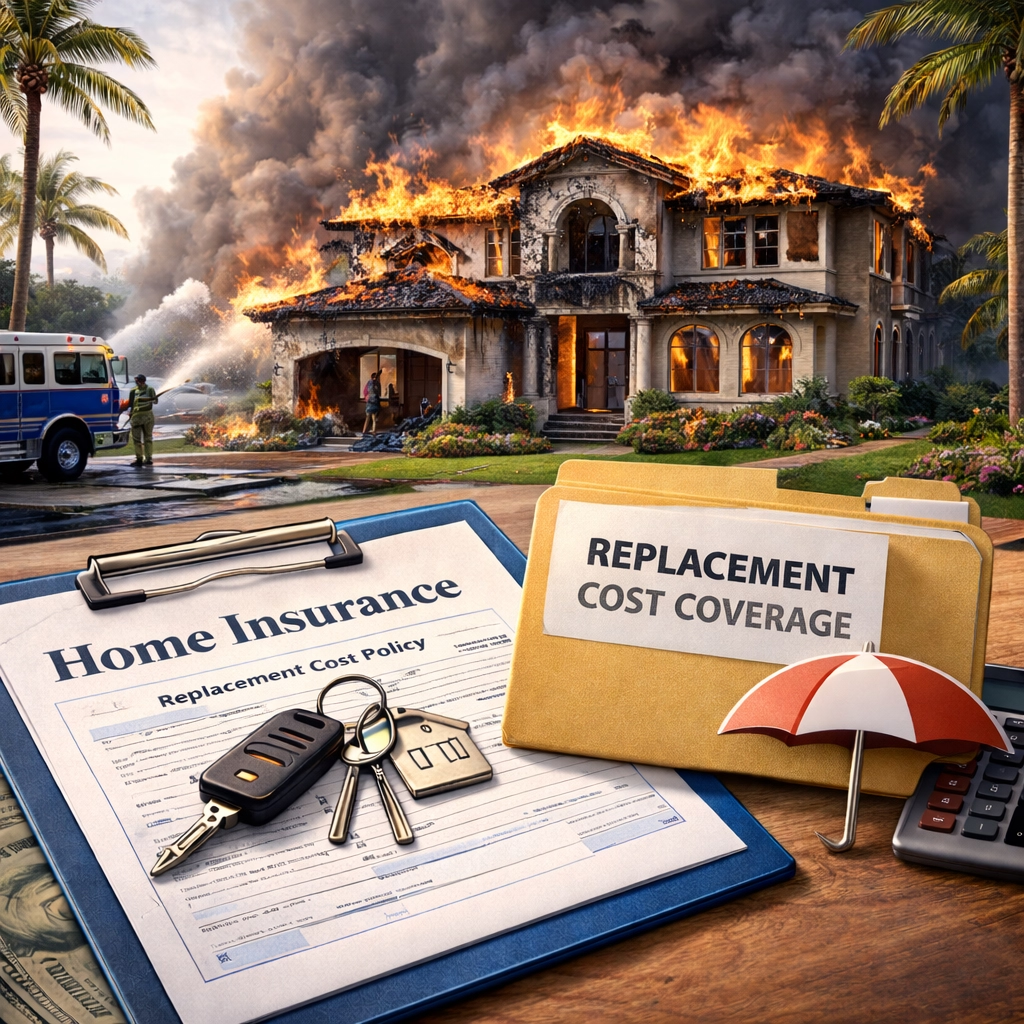
Replacement cost coverage pays to rebuild or repair using new materials of similar kind and quality without deducting for depreciation. If your 15-year-old roof needs replacement after hurricane damage, replacement cost coverage pays for a new roof regardless of the old roof's age or remaining useful life.
Actual cash value coverage deducts depreciation before paying claims. That same 15-year-old roof, perhaps halfway through its expected life, would generate only half the replacement cost under ACV coverage. You'd receive enough to buy a half-worn roof, which doesn't exist, leaving you to cover the difference for an actual new roof.
Most Florida homeowners should carry replacement cost coverage on their dwelling. The premium difference is typically modest, while the claims difference can be substantial. Actual cash value coverage might seem adequate until you're trying to rebuild with depreciated dollars.
Extended and Guaranteed Replacement Cost Options
Standard replacement cost coverage pays up to your policy limits, leaving you exposed if actual reconstruction costs exceed your coverage. Extended and guaranteed replacement cost endorsements provide additional protection against this scenario.
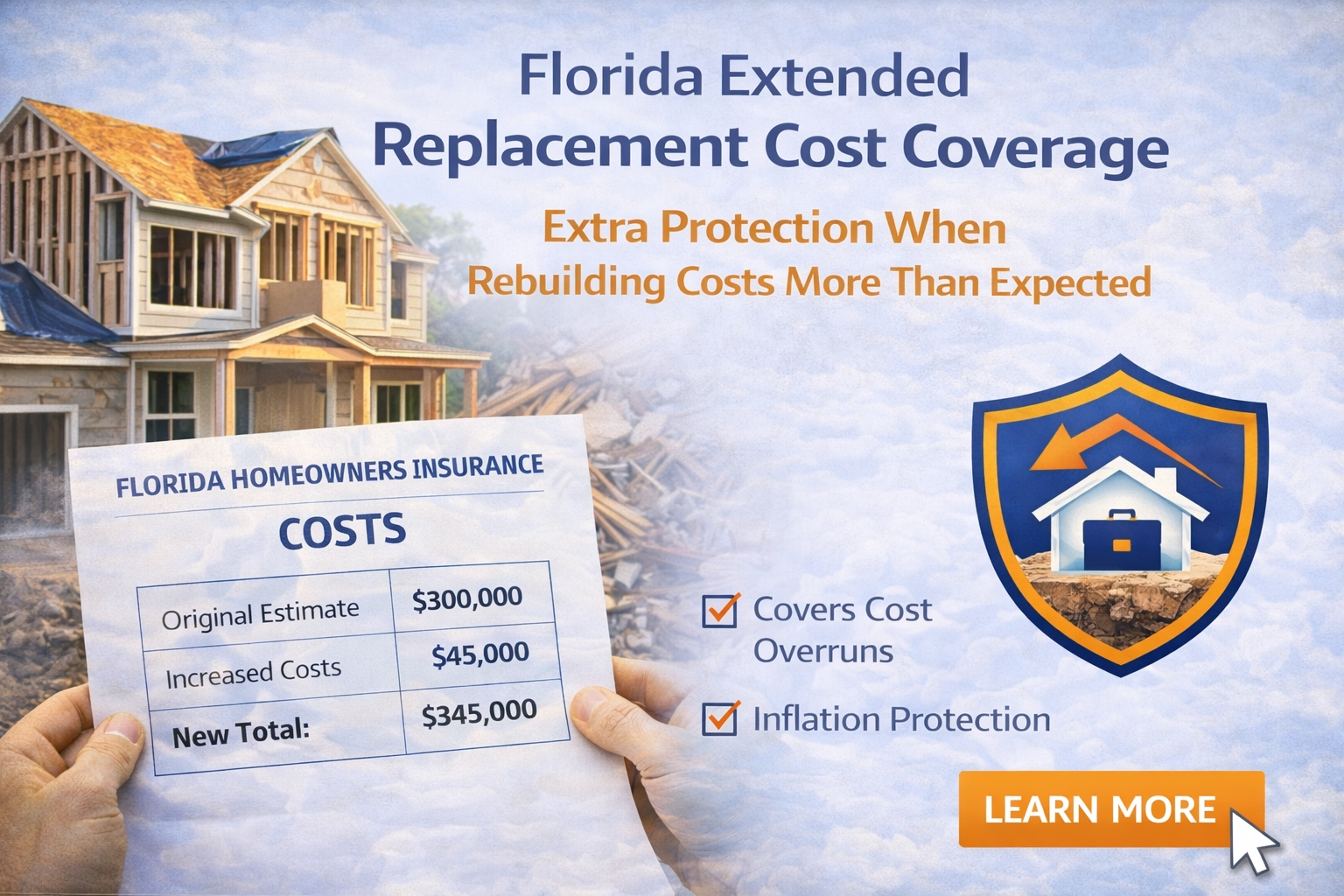
Extended replacement cost coverage pays a percentage beyond your dwelling limits, typically 25% to 50% extra. With $400,000 in dwelling coverage and 25% extended replacement cost, you'd have access to up to $500,000 for reconstruction. This buffer protects against post-disaster construction cost spikes when demand overwhelms contractor availability.
Guaranteed replacement cost coverage promises to rebuild your home regardless of cost, even if reconstruction exceeds your policy limits. This provides maximum protection but comes with conditions. Insurers typically require accurate dwelling coverage amounts, prompt reporting of renovations that increase home value, and compliance with their coverage recommendations.
Not all Florida insurers offer these enhanced coverage options, and availability has decreased as carriers manage hurricane exposure. If extended or guaranteed replacement cost matters to you, ask specifically when shopping for coverage. Working with an independent agent who represents multiple carriers helps identify which insurers offer these valuable endorsements.
Keeping Dwelling Coverage Current
Reconstruction costs change over time, and your dwelling coverage should keep pace. Annual policy reviews ensure your coverage reflects current building costs rather than outdated estimates.
Many policies include inflation guard provisions that automatically increase dwelling coverage by a percentage each year. While helpful, these automatic increases may not keep pace with actual construction cost changes, particularly during periods of rapid inflation or post-hurricane demand spikes.
Home improvements trigger coverage review needs. Adding a room, renovating a kitchen, enclosing a lanai, or making other improvements increases your home's reconstruction cost. Notify your insurer of significant improvements so coverage can be adjusted accordingly.
Major construction cost increases in your area warrant coverage review even without home changes. If contractors in your region have increased prices substantially, your existing coverage may no longer suffice. Your agent can help evaluate current reconstruction costs against your policy limits.
Consider obtaining a professional reconstruction cost estimate every few years. Insurance company estimates use algorithms that may not capture your home's specific features. An independent estimate from a contractor or appraiser provides a reality check on whether your coverage matches actual rebuilding costs.
Frequently Asked Questions
What does dwelling coverage include? Dwelling coverage protects your home's physical structure including walls, roof, foundation, floors, built-in appliances, plumbing, electrical systems, HVAC, and attached structures like garages. Fixtures that would remain if you sold the house generally fall under dwelling coverage. Detached structures and personal belongings require separate coverage sections.
How do I determine the right dwelling coverage amount? Your dwelling coverage should equal what it would cost to completely rebuild your home at current construction prices. This differs from market value or purchase price. Consider square footage, construction quality, architectural features, and Florida-specific building requirements. Professional reconstruction cost estimates provide the most accurate figures.
What's the difference between replacement cost and actual cash value? Replacement cost pays to repair or rebuild using new materials without depreciation deductions. Actual cash value deducts depreciation based on age and condition, paying only what damaged items were worth at the time of loss. Most homeowners should carry replacement cost coverage despite slightly higher premiums.
What happens if I'm underinsured when I file a claim? For total losses, you'd receive only your policy limits even if rebuilding costs more. For partial losses, coinsurance clauses may reduce payments proportionally if you carry less than 80% of reconstruction cost. A $100,000 loss might pay only $75,000 if you're significantly underinsured.
Should I get extended replacement cost coverage? Extended replacement cost coverage pays 25% to 50% beyond your dwelling limits if reconstruction costs exceed coverage. This protects against post-disaster construction cost spikes common in Florida after hurricanes. If available from your insurer, it's generally worth the additional premium for the protection provided.
How often should I review my dwelling coverage? Review dwelling coverage annually and after any significant home improvements. Construction costs have risen substantially across Florida, making coverage that was adequate a few years ago potentially insufficient today. Inflation guard provisions help but may not keep pace with actual cost increases.
If you’re a homeowner in Florida, having the right insurance coverage is essential to protect your investment from hurricanes, floods, and other unexpected events. Learn more about the different coverage options, policy requirements, and ways to save by visiting our detailed guide to Florida homeowners insurance.

Get a
Florida Home Insurance
Quote




.avif)


















To see how Worth can reduce your risk.
Get a Free Quote


