Florida Mold Insurance Coverage: What Your Homeowners Policy Actually Covers
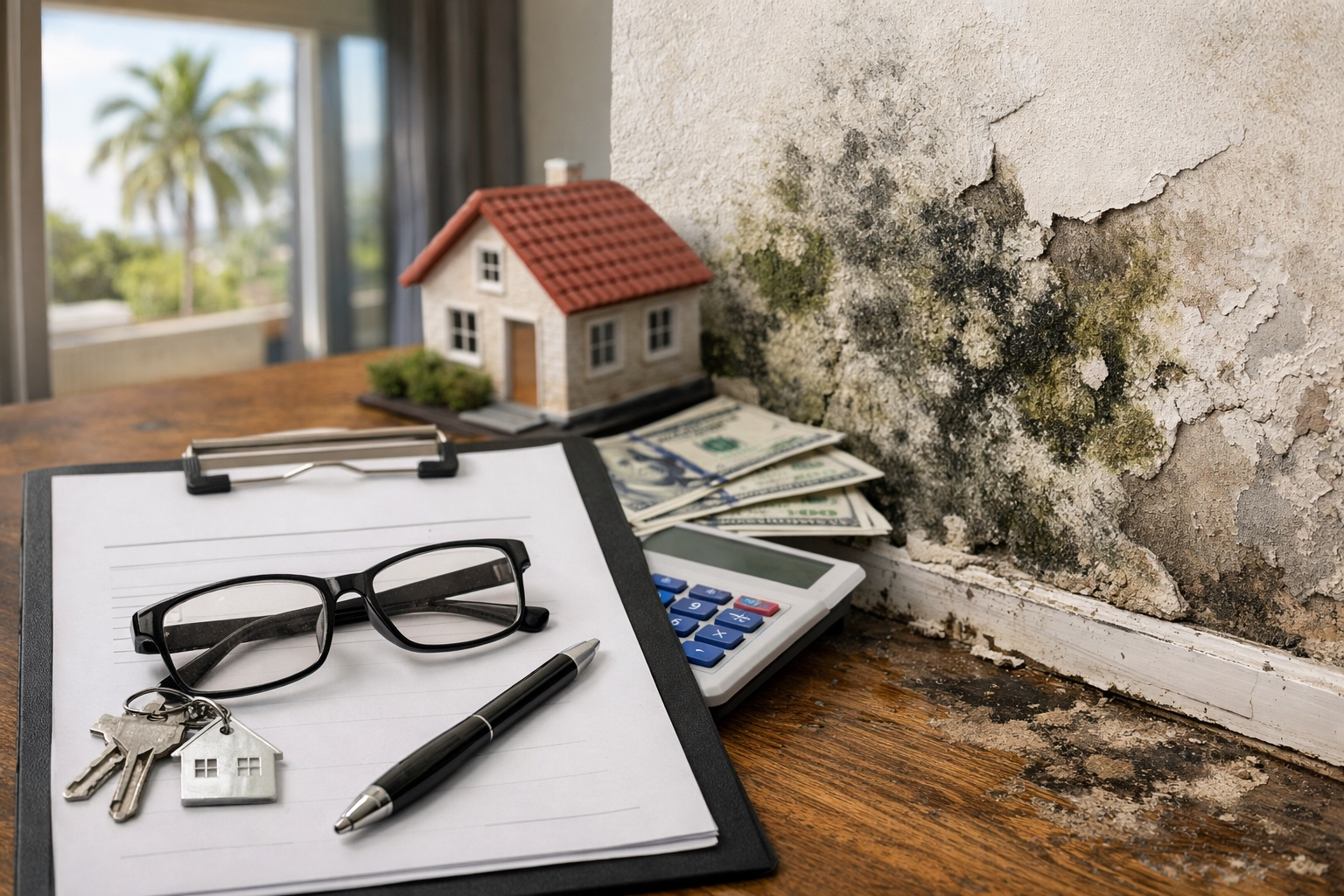
Florida mold insurance coverage is one of the most misunderstood aspects of homeowners insurance in the state. Florida's humid subtropical climate creates ideal conditions for mold growth, yet most homeowners policies severely limit or exclude mold damage coverage.
When mold develops after a water intrusion event, homeowners often discover their insurance provides far less protection than they assumed. Understanding what your policy actually covers regarding mold, and what gaps exist, helps you avoid costly surprises when you need protection most.
Standard Florida homeowners policies typically limit mold coverage to $10,000 or less, and even this limited coverage only applies when mold results from a covered peril like a burst pipe or storm damage. Mold from humidity, condensation, or maintenance issues receives no coverage at all. Given that professional mold remediation can cost $15,000 to $50,000 or more for significant infestations, these policy limitations leave substantial financial exposure for Florida homeowners.
Why Mold Is Such a Problem in Florida
Florida's climate essentially creates a petri dish for mold growth. High humidity levels, warm temperatures year-round, and frequent rain provide everything mold needs to thrive. While homeowners everywhere deal with occasional mold issues, Florida's conditions make the problem far more persistent and severe.
Outdoor humidity in Florida regularly exceeds 70% to 80%, and indoor humidity easily follows without active management. Mold begins growing when humidity exceeds 60% and accelerates rapidly above 70%. Air conditioning helps control indoor humidity, but the moment systems falter or homes sit unoccupied, moisture levels climb quickly.
Hurricane and tropical storm damage creates prime conditions for explosive mold growth. When roofs leak, windows fail, or flooding occurs, moisture saturates building materials. Florida's heat then accelerates mold colonization. What might take weeks to develop mold in drier climates can happen in days in Florida's conditions.
Even without storm damage, everyday Florida life creates mold opportunities. Condensation on cool surfaces, bathroom moisture, cooking steam, and water intrusion through aging building envelopes all contribute. Homes with poor ventilation, deferred maintenance, or inadequate air conditioning face elevated risk.
The health implications of mold exposure range from minor allergic reactions to serious respiratory problems. Some mold species produce mycotoxins linked to more severe health effects. Beyond health concerns, mold damages building materials, creates persistent odors, and can render homes uninhabitable until remediated. These factors make mold coverage particularly important for Florida homeowners.
How Standard Policies Handle Mold
Most Florida homeowners policies take a restrictive approach to mold coverage, reflecting insurers' efforts to limit exposure to these frequent and expensive claims. Understanding your policy's mold provisions requires reading carefully since limitations often appear in multiple sections.
The typical policy structure covers mold only when it results directly from a covered peril. If a pipe bursts and water saturates your walls before you discover it, mold that develops from this sudden water damage may be covered. If your roof is damaged in a hurricane and rain intrusion leads to mold, that mold may be covered as part of the storm damage claim.
However, even when mold results from covered perils, most policies cap mold coverage at specific dollar limits. These sub-limits commonly range from $10,000 to $25,000, far below what significant mold remediation actually costs. The cap applies regardless of how extensive the mold damage becomes or how much remediation actually costs.
Mold from non-covered causes receives no coverage under standard policies. This includes mold from humidity and condensation, mold from slow leaks that constitute maintenance issues, mold from flooding which requires separate flood insurance, and mold from any source the insurer determines you should have prevented through reasonable maintenance.
The burden often falls on homeowners to prove mold resulted from a sudden, covered event rather than gradual conditions. Insurers may investigate whether water intrusion happened suddenly or developed over time through deferred maintenance. This distinction frequently becomes contentious during claims.
Coverage Limits and Exclusions
Policy language regarding mold varies between insurers, making careful review essential. Several common provisions determine how much protection you actually have.
Aggregate mold limits cap total mold-related payments during your policy term. A $10,000 aggregate limit means you receive no more than $10,000 for all mold claims combined during that policy period, regardless of how many separate incidents occur. One significant mold event can exhaust your entire limit.
Per-occurrence limits cap payments for any single mold event. If your policy has a $15,000 per-occurrence mold limit and remediation costs $40,000, you receive $15,000 and pay the remaining $25,000 yourself.
Some policies include mold coverage within your dwelling or personal property limits rather than providing separate mold limits. This structure means mold remediation competes with other covered repairs for available coverage dollars.
Absolute mold exclusions exist in some policies, providing no mold coverage under any circumstances. These policies exclude mold whether it results from covered perils or not. Reading your policy carefully reveals whether you have limited mold coverage or no mold coverage at all.
Testing and assessment costs may or may not be included in mold limits. Professional mold testing to determine extent and species can cost $500 to $2,000 before remediation even begins. Some policies count testing against your mold limit while others cover it separately or exclude it entirely.
When Mold Claims Are Covered
Understanding scenarios where mold coverage typically applies helps you navigate claims situations. Coverage generally requires connecting mold growth to a sudden, accidental, covered water event.
Burst pipes causing water damage that leads to mold growth typically trigger coverage. The pipe failure is sudden and accidental, and resulting mold is a direct consequence. Prompt reporting and response strengthen these claims.
Storm damage allowing water intrusion that causes mold connects to a covered peril. If hurricane winds damage your roof and rain enters causing mold before repairs are complete, this mold relates directly to covered storm damage. Documenting the connection between storm damage and mold development matters.
Appliance failures causing sudden water discharge may trigger coverage. A washing machine hose that bursts or a water heater that fails suddenly and causes water damage leading to mold involves sudden, accidental water release.
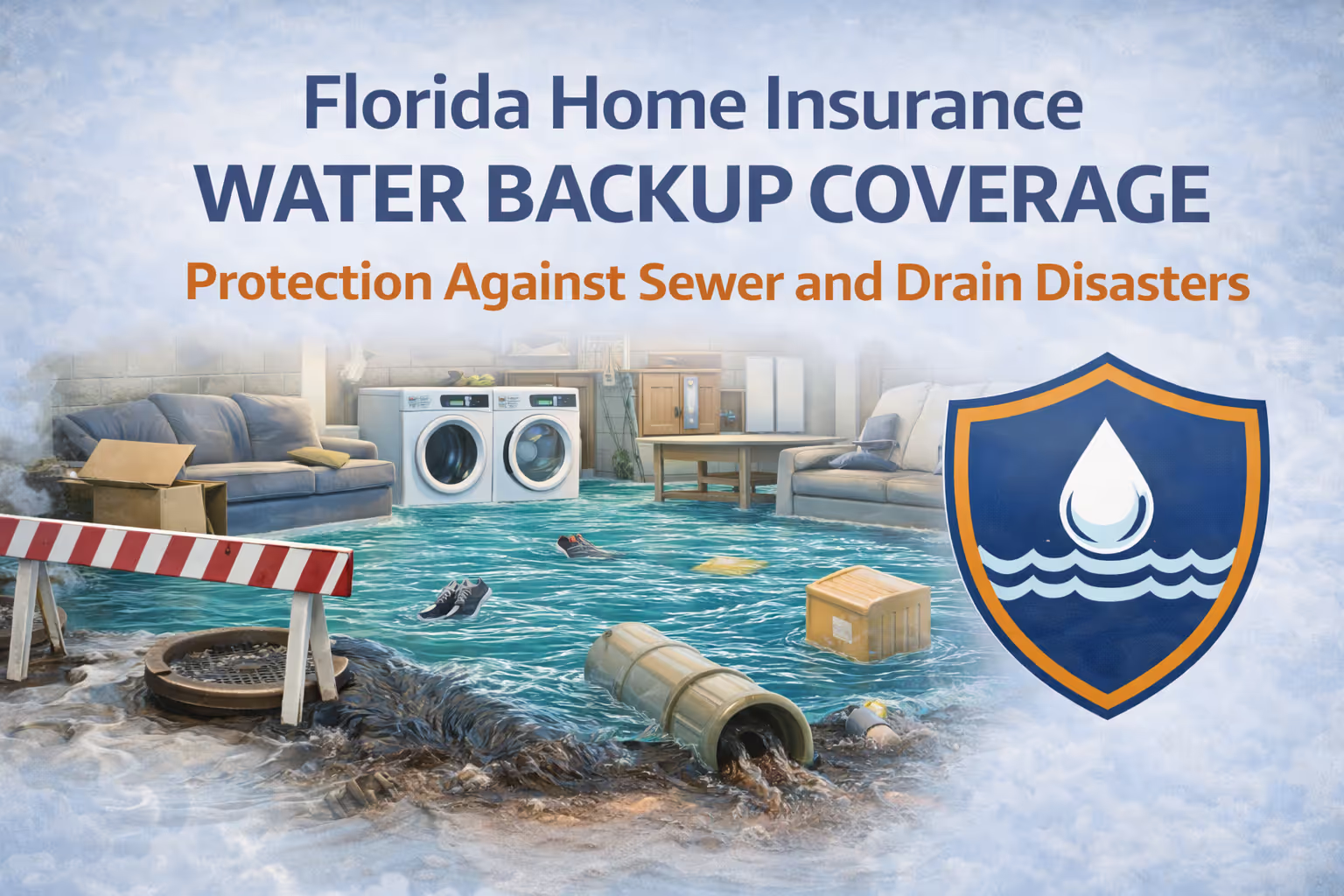
Water backup coverage, if you've added this endorsement, may cover mold resulting from sewer or drain backups. The backup itself must be covered for resulting mold to be covered.
Fire suppression water damage leading to mold connects to fire damage coverage. Water used to extinguish fires saturates building materials, and mold developing from this water intrusion typically falls under fire damage claims.
When Mold Claims Are Denied
Equally important is understanding when insurers typically deny mold claims. These exclusions apply regardless of how much damage results.
Humidity and condensation mold receives no coverage under standard policies. If your air conditioning fails during summer vacation and you return to mold-covered walls, this isn't a covered sudden event. The mold resulted from environmental conditions, not an insured peril.
Gradual water leaks causing mold are typically excluded as maintenance issues. A slow leak under your sink that you failed to notice for months, eventually causing mold in adjacent cabinets, likely won't be covered. Insurers expect homeowners to maintain their properties and catch such problems.
Flood-related mold requires flood insurance, not homeowners coverage. If your home floods during a hurricane and mold develops, your homeowners policy won't cover the mold because flooding is excluded. Only a separate flood policy addresses flood-related mold damage.
Construction defects causing water intrusion and mold are generally excluded. If faulty windows or improper flashing allow water entry leading to mold, this represents a construction issue rather than a sudden accidental event.
Mold in newly purchased homes from pre-existing conditions isn't covered. If you buy a home with hidden mold problems, your homeowners insurance won't pay to remediate conditions that existed before your policy began.
Delayed reporting that allows mold to worsen can result in claim reduction or denial. Insurers expect prompt reporting and reasonable mitigation efforts. Waiting weeks to report water damage while mold spreads may be considered negligent.
Increasing Your Mold Protection
If standard mold limits seem inadequate for your situation, several options can increase protection.
Mold endorsements or riders increase coverage limits beyond standard policy provisions. Some insurers offer endorsements raising mold limits to $25,000, $50,000, or higher. These endorsements cost additional premium but provide meaningful additional protection.
Higher-tier policies may include better mold coverage as a standard feature. Premium policy forms sometimes provide $25,000 or $50,000 in mold coverage where standard policies provide only $10,000. Ask about coverage differences when comparing policy options.
Shopping among carriers reveals varying approaches to mold coverage. Some insurers offer more generous mold limits or fewer restrictions than competitors. Working with an independent agent who represents multiple carriers helps identify better mold coverage options.
Umbrella policies occasionally provide excess coverage for certain mold claims, though this varies by policy and circumstance. Review umbrella provisions regarding mold before assuming additional coverage exists.
Regardless of policy limits, your most effective mold protection involves prevention and prompt response to water intrusion. No amount of insurance coverage beats avoiding mold problems entirely.
Preventing Mold and Protecting Your Claim
Prevention reduces both mold risk and the likelihood of claim disputes. If mold does develop, proper response protects both your health and your insurance claim.
Maintain indoor humidity below 60%, ideally between 30% and 50%. Dehumidifiers supplement air conditioning during particularly humid periods. Humidity monitors help you track indoor moisture levels.
Address water intrusion immediately. A small leak caught quickly causes minimal damage. The same leak ignored for weeks creates major mold problems. Regular inspections under sinks, around water heaters, near windows, and in other vulnerability points catch problems early.
Ensure proper ventilation in bathrooms, kitchens, and laundry areas where moisture concentrates. Exhaust fans should vent outside, not into attics where they create other moisture problems. Running fans during and after moisture-producing activities moves humid air out.
Clean air conditioning drip pans and drain lines regularly. Clogged drains cause water backup and overflow, creating mold conditions in areas you might not check frequently.
If water intrusion occurs, document everything immediately. Photograph water damage before beginning cleanup. Note when you discovered the problem and what caused it. Save any failed components like burst hoses or broken pipes as evidence.
Begin drying affected areas within 24 to 48 hours when possible. This window represents your best chance to prevent mold colonization. Fans, dehumidifiers, and professional water extraction equipment accelerate drying.
Report potential claims promptly. Even if you're unsure whether damage will exceed your deductible, notifying your insurer creates a record. Delays in reporting create suspicion about whether damage was actually sudden.
Frequently Asked Questions
Does Florida home insurance cover mold damage?
Most Florida homeowners policies provide limited mold coverage, typically $10,000 to $25,000, and only when mold results from a covered peril like a burst pipe or storm damage. Mold from humidity, gradual leaks, or flooding is generally excluded. Some policies exclude mold entirely. Review your specific policy for exact terms.
How much does mold remediation cost in Florida?
Professional mold remediation typically costs $1,500 to $5,000 for small contained areas and $15,000 to $50,000 or more for extensive infestations affecting multiple rooms or requiring structural repairs. Costs depend on affected area size, mold type, and whether building materials need replacement. Standard policy limits often fall short of actual costs.
Why is mold coverage so limited in Florida?
Florida's climate creates ideal mold conditions, leading to frequent and expensive claims. Insurers responded by implementing coverage limits and exclusions to manage their exposure. High claim frequency and severity in Florida's humid environment makes mold a significant risk insurers seek to control through policy restrictions.
Can I buy additional mold coverage?
Some insurers offer mold endorsements increasing coverage limits beyond standard policy provisions. Premium policy forms may include higher mold limits as standard features. Not all insurers offer enhanced mold coverage, so shopping among carriers may be necessary to find better options.
What should I do if I find mold in my home?
Document the mold with photographs before disturbing it. Try to identify and stop any water source feeding the mold growth. Contact your insurance company to report the situation. For significant mold, hire professional remediation rather than attempting DIY removal, as improper handling can spread spores and worsen problems.
Does flood insurance cover mold from flooding?
Standard NFIP flood policies provide limited mold coverage only when directly resulting from the flood event and only for mold remediation necessary to make the home habitable. Coverage does not extend to mold prevention or to mold developing after the policy limit's time frame. Private flood insurers may offer different terms.
If you’re a homeowner in Florida, having the right insurance coverage is essential to protect your investment from hurricanes, floods, and other unexpected events. Learn more about the different coverage options, policy requirements, and ways to save by visiting our detailed guide to Florida homeowners insurance.

Get a
Florida Home Insurance
Quote






.avif)

























To see how Worth can reduce your risk.
Get a Free Quote


