Jacksonville Home Insurance: Rates, Companies & Coverage Guide

Jacksonville home insurance costs less, on average, than coverage in Tampa, Orlando, or South Florida, however, “less expensive” still adds up to real money in the nation’s priciest state for homeowners coverage. Duval County’s inland-leaning geography, lower home values, and wider carrier pool help keep rates in check compared to the coast, but your own premium depends on your home’s age, roof, flood risk, and the coverage you choose.
Here’s what actually drives Jacksonville home insurance rates, how much coverage you need, and how to compare providers before you buy.
Key Takeaways
- Jacksonville home insurance averages $2,786 a year for wind coverage; well below Florida’s $3,355 statewide average, but not “cheap.”
- Duval County sits outside the state’s highest-risk hurricane corridor, and more carriers write Jacksonville homeowners insurance here than in South Florida.
- St. Johns River flooding is a documented risk in specific neighborhoods, no matter how far you sit from the coast.
- Your rate depends more on dwelling coverage, roof condition, and deductible choices than on the county average alone.
- Mobile and manufactured homes typically need a separate HO-7 policy, with fewer carriers to choose from.
- Comparing home insurance quotes in Jacksonville from multiple carriers is the most effective way to lower your premium.
Why Jacksonville Home Insurance Costs Less Than Other Florida Cities
Jacksonville home insurance costs less than most other major Florida markets for three main reasons:
- Duval County sits largely outside the state’s most hurricane-prone tracks, since storms making landfall along the Atlantic or Gulf typically weaken or curve away before reaching Northeast Florida.
- More carriers are willing to write new Florida home insurance policies here than in Miami-Dade, Broward, or Southwest Florida, where reinsurance costs and litigation history have pushed several insurers to pull back.
- AAverage home values in Duval County run lower than in Tampa or Orlando, which keeps rebuilding costs, and the premiums tied to them, more contained.
However, none of these reasons make Jacksonville risk-free. The St. Johns River has flooded specific Duval County neighborhoods during major storms regardless of their distance from the coast, and standard homeowners insurance doesn’t cover that risk. Florida also remains the most expensive state in the country for homeowners insurance, so “cheaper than Tampa” is a relative statement, not an absolute one; Jacksonville homeowners still pay more, on average, than homeowners in most other states.
Carrier appetite plays a role here too. Insurers that pulled back from South Florida after years of litigation and reinsurance losses have generally kept writing new business in Duval County, which means Jacksonville homeowners typically see more competing quotes for the same coverage than someone shopping in Fort Lauderdale or Naples. More competition among carriers tends to put downward pressure on price, even before you factor in your home’s individual risk profile.
The table below compares average annual premiums, including wind coverage, across four Florida cities and the statewide average for a comparable $300,000–$400,000 dwelling policy, based on Florida homeowners insurance rates by county from the Florida Office of Insurance Regulation.
Keep in mind that these are county-wide averages based on the Florida Office of Insurance Regulation (OIR) report, not personal quotes.
An average means little without knowing your dwelling coverage amount, deductible, and property’s specific profile. For instance, two Duval County homes a few blocks apart can carry very different premiums based on roof age, construction, and claims history alone.
How Much Does Jacksonville Home Insurance Actually Cost?
Jacksonville home insurance costs about $2,786 a year on average for a policy that includes wind coverage, according to Florida Office of Insurance Regulation county data. That’s the average home insurance cost in Jacksonville, FL across all reported policies, but published 2026 estimates for home insurance companies in Jacksonville, FL vary substantially depending on the dwelling coverage assumed and whether Citizens Property Insurance policies are included in the sample.
For example, Duval County’s OIR average works out to roughly $233 a month. Individual home insurance companies in Jacksonville, FL price policies one home at a time, though, so your quote could land well above or below that county figure.
Therefore, treat any single average as a starting point rather than a quote. Your actual premium depends on your dwelling coverage amount, roof age and material, deductible choice, and claims history, not just your zip code.
Also, keep in mind that OIR’s figure blends every dwelling coverage amount and construction type reported in Duval County. A newer, well-built home near Nocatee and an older bungalow in Springfield can both fall under that same county average while landing on very different actual premiums.
Flood Risk From the St. Johns River: Do You Need Flood Insurance?
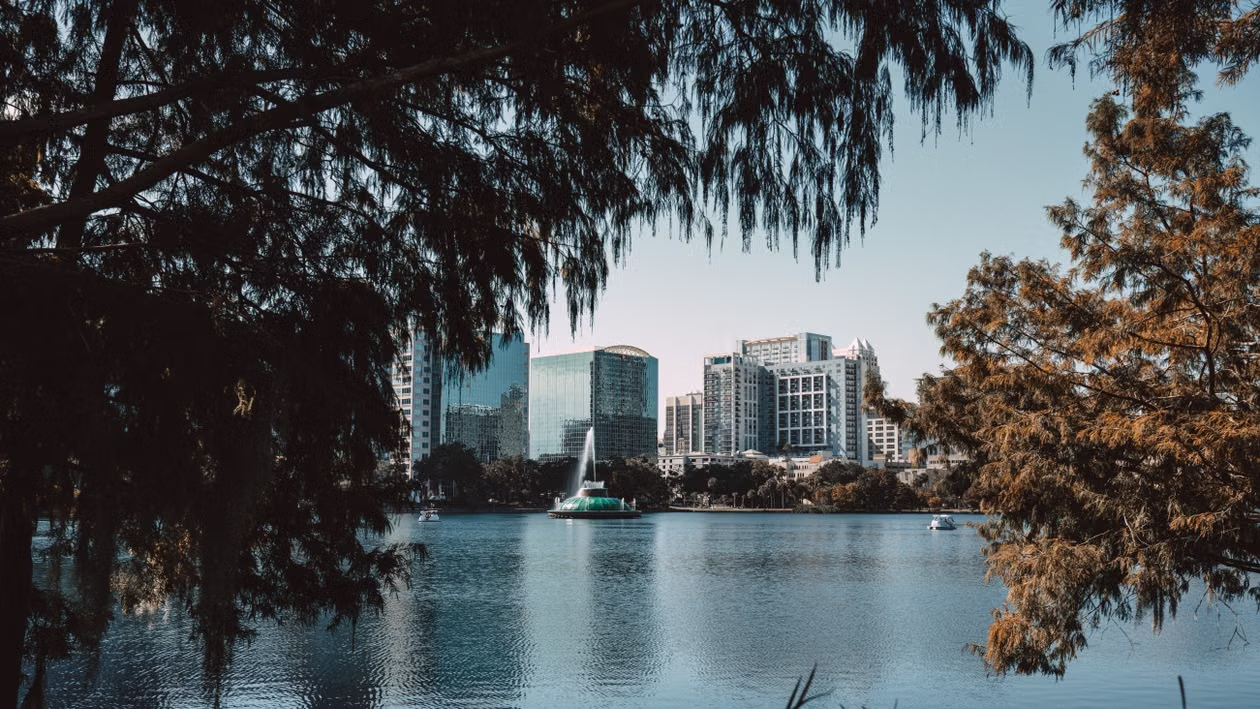
![Here are descriptive SEO alt text options that follow the classic [Subject] + [Action/Context] + [Location/Details] formula, incorporating relevant context like Downtown Jacksonville and riverfront flood risks: Option 1 (Detailed & Descriptive): Sunset view of Downtown Jacksonville skyline along the St. Johns River highlighting high flood risk areas requiring Jacksonville home insurance and flood coverage](https://cdn.prod.website-files.com/65376278e815083e6c86f2d7/6aa10ac5b785a137b7197e58_290ea020.png)
Standard homeowners insurance excludes flood damage, including storm surge and river flooding, no matter how far your home sits from the coast. The St. Johns River has proven that point directly: during Hurricane Irma in September 2017, the river climbed to nearly 6 feet at Jacksonville’s gauge, flooding streets in Downtown, San Marco, Riverside, and other river-adjacent neighborhoods nowhere near the Atlantic. The U.S. Geological Survey confirmed that several Florida waterways, the St. Johns among them, set new record peaks during that storm.
If your home sits in a FEMA Special Flood Hazard Area, your mortgage lender likely already requires a flood policy. Even outside a mapped high-risk zone, a separate flood insurance policy is worth pricing out if you’re near the river or in a low-lying part of Duval County.
How Much Coverage Do You Need in Jacksonville, FL?
You need enough dwelling coverage to rebuild your Jacksonville home at current labor and material costs, not its market value or purchase price. The two figures can differ by tens of thousands of dollars, especially in older Duval County neighborhoods.
For instance, homes in Riverside, Avondale, and other historic districts carry an added wrinkle. Many insurers require a four-point inspection, covering roof, electrical, plumbing, and HVAC, once a home passes roughly the 20-year mark, and historic preservation rules can limit your options for earning wind-mitigation credits. If your neighborhood has historic district protections, you may not be permitted to swap original windows for impact glass, which is one of the more common ways homeowners elsewhere reduce their premium.
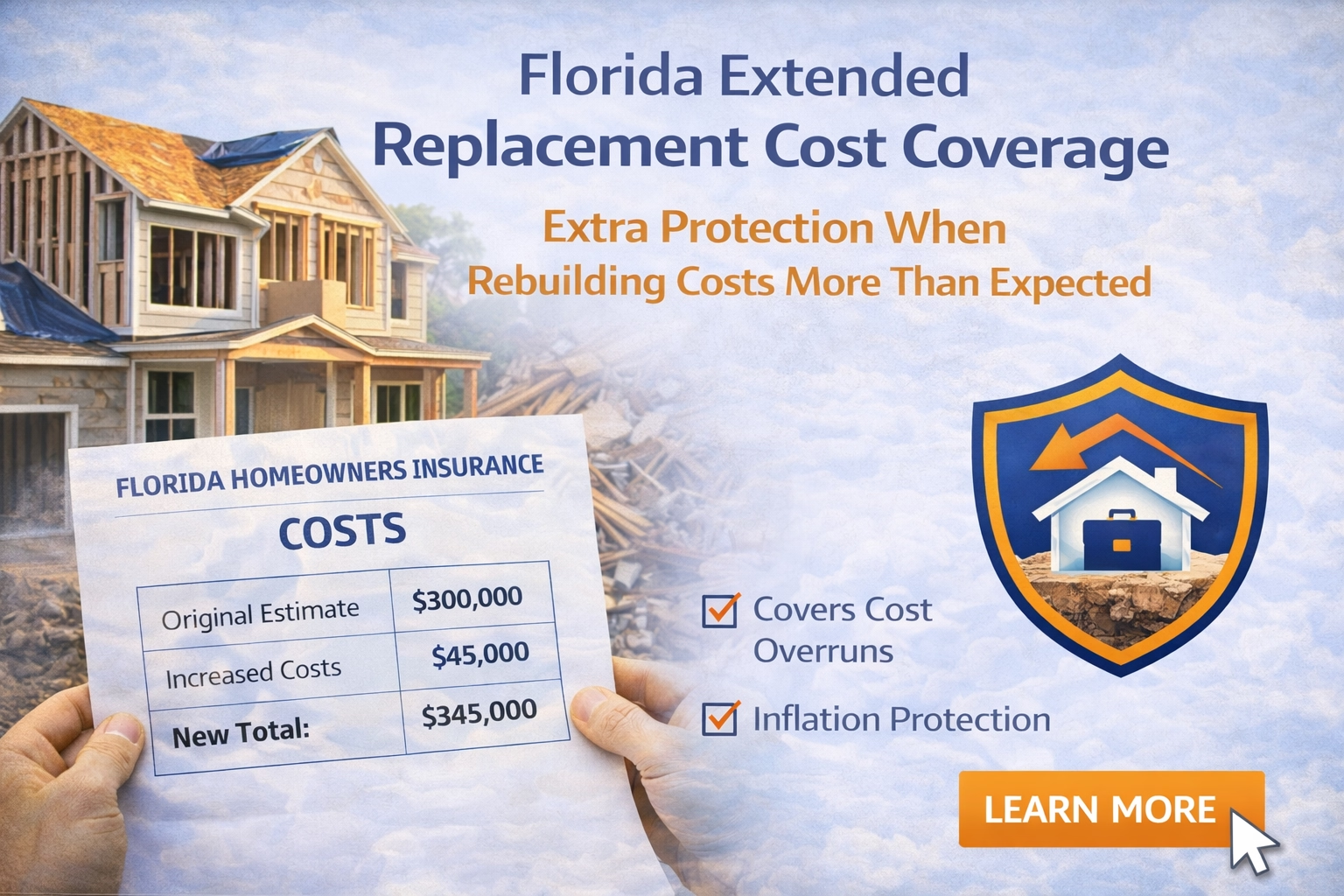
Therefore, start with a rebuild-cost estimate from your agent or carrier, then layer on other structures coverage (typically 10% of your dwelling limit), personal property, and liability coverage sized to your assets. Consider extended replacement cost coverage if your home has custom finishes or an unusual layout that would be expensive to match after a total loss.
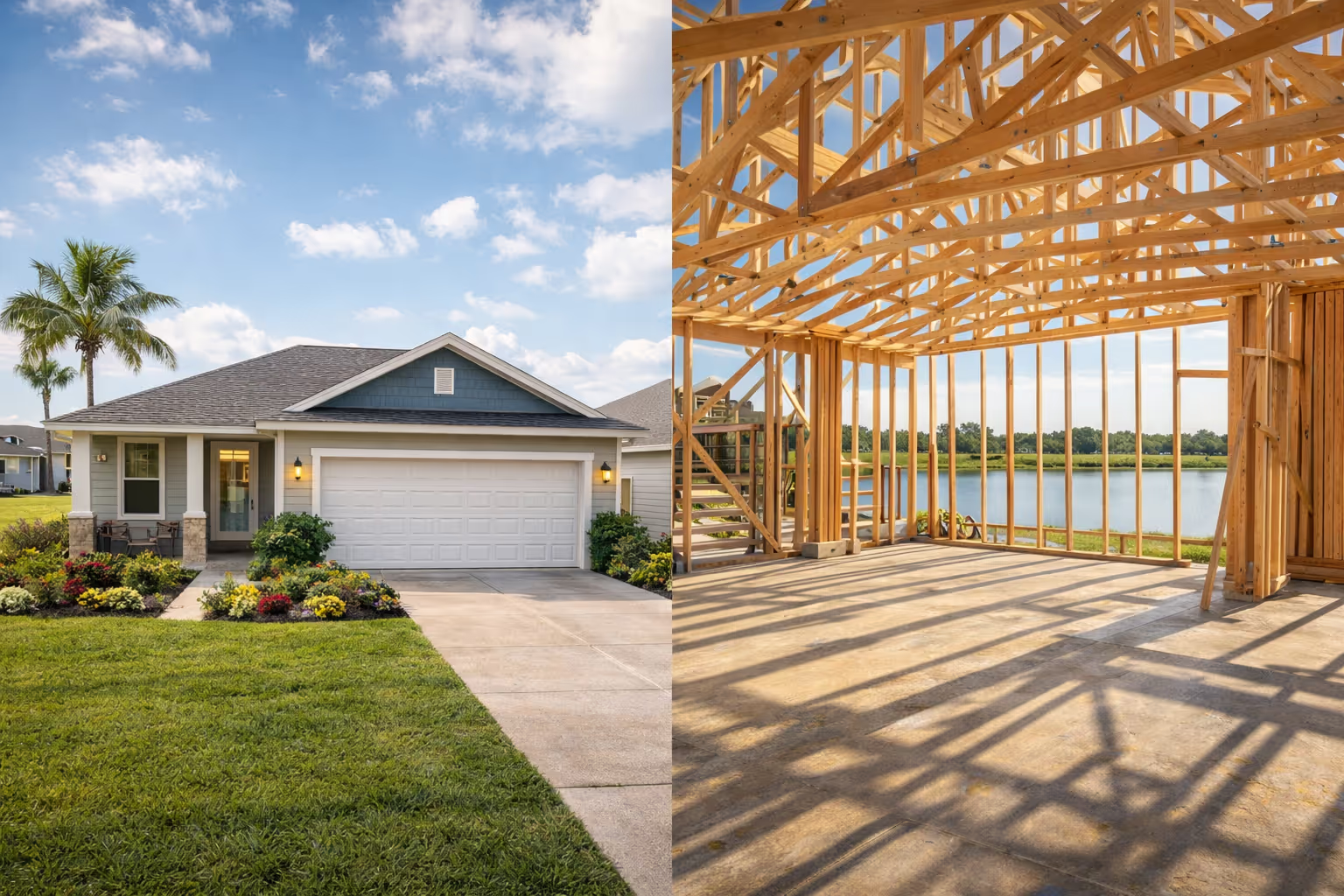
On the other hand, newer Jacksonville subdivisions, like Nocatee or Julington Creek, often see lower premiums per dollar of coverage since updated building codes and newer roofs reduce claims risk. If you're building new, ask your builder and insurer about builder's risk insurance before ground breaks. This separate policy covers the property during construction; once the home is complete, you'll generally need a standard homeowners policy such as an HO-3 homeowners policy. Without it, damage during the build itself typically isn't covered under any policy you'd have in place.
Also, new communities frequently carry HOA-mandated minimum coverage levels, so check your HOA documents to make sure your policy meets them without paying for unnecessary duplicate coverage.
Overall, under-insuring to save on premium remains one of the costliest mistakes a homeowner can make after a major loss.
What Drives Your Jacksonville Home Insurance Rate
Several factors shape what you’ll actually pay beyond the county average, including:
- Location within Duval County. Homes in a mapped flood zone or close to the St. Johns River often face higher premiums or flood-policy requirements than homes farther inland.
- Roof age, material, and condition. An aging roof is one of the most common reasons for a declined application or a higher quote; a newer roof with wind-resistant materials can unlock real credits.
- Deductible level. Many Jacksonville policies still carry a separate hurricane deductible worth understanding, even though local hurricane risk runs lower than in Tampa — raising it can noticeably lower your premium.
- Claims history and credit-based insurance score. A recent claim or a lower score can push your rate up, sometimes more than location does.
- Home age and construction type. Older wiring, plumbing, or HVAC systems can raise both your risk profile and your premium.
- Wind mitigation features. Impact windows, a reinforced roof-to-wall connection, or hurricane shutters can qualify you for documented credits that offset some of Florida’s baseline wind pricing.
Mobile and Manufactured Home Insurance in Jacksonville

Mobile and manufactured homes in Jacksonville typically need an HO-7 policy, not the standard HO-3 form used for site-built houses. Fewer carriers write HO-7 policies at all, and that narrower field of home insurance providers in Jacksonville can mean higher premiums and fewer choices for mobile home insurance in Jacksonville compared to a conventional single-family home nearby.
Tie-down and anchoring standards, along with Florida’s wind mitigation rules, matter even more for manufactured housing given the state’s wind exposure. Units that meet current anchoring and construction standards, particularly those built or retrofitted after Florida tightened manufactured-home wind codes, tend to see more competitive quotes and broader carrier interest than older units.
If you own an older mobile home, ask any prospective home insurance provider in Jacksonville directly which wind mitigation features would help your specific unit qualify for savings.
Because so few carriers write HO-7 policies statewide, ask your agent early in the process which companies are currently accepting new manufactured-home applications in Duval County; availability shifts more often here than it does for standard homeowners coverage.
Best Home Insurance Companies in Jacksonville
There’s no single best insurance company in Jacksonville, but homeowners do have more carriers to review than residents of higher-risk Florida markets, which gives you real room to shop. That said, here are some of the best insurance companies in Jacksonville, FL:
- State Farm has a strong local agent presence throughout the metro area and offers solid bundling discounts for homeowners who also insure a vehicle.
- USAA is a strong option for eligible military families and veterans, a meaningful share of the Jacksonville market given Naval Air Station Jacksonville and Naval Station Mayport.
- Progressive has expanded its Florida footprint and tends to offer competitive quotes for newer construction, with a fast online quoting process.
- Allstate continues writing in Jacksonville, though like most carriers it has tightened underwriting in recent years; its local agent network still provides hands-on support.
- Florida-based carriers (Tower Hill, Security First, Florida Peninsula, Heritage Property & Casualty, Universal Property & Casualty, and Nationwide) often better understand Florida-specific risks (roof age, wind mitigation, hurricane deductibles) than national carriers.
- Citizens Property Insurance Corporation, the state's insurer of last resort, is also available in Duval County, though most Jacksonville homeowners qualify for private-market coverage first.
How to Get the Best Rate on Jacksonville Home Insurance
Getting the best and the cheapest aren’t the same question. The lowest quote might carry a high deductible, thin liability limits, or a carrier with a rocky claims record; all worth knowing before you buy on price alone.
A few levers reliably lower cost, such as:
- Shopping multiple insurers (a spread of $1,500–$2,000 between carriers for the same home shows up repeatedly in current market data)
- Documenting wind mitigation features
- Keeping your roof in good condition
- Choosing a higher deductible if you can absorb it
- Asking about available discounts
- Bundling home with auto or umbrella coverage
When you compare home insurance quotes in Jacksonville, look past the premium alone: check the deductible, dwelling limit, personal property and liability limits, exclusions, available discounts, claims and service reputation, and the carrier’s financial strength rating.
Timing matters too. Rates and carrier appetite shift throughout the year, so re-shopping at renewal, rather than letting your policy auto-renew, is one of the simplest habits that can keep your premium competitive over time.
Final Thoughts
Jacksonville home insurance costs less than Tampa, Orlando, or South Florida, but “less” isn’t the same as “cheap” in a state that still leads the nation on homeowners insurance costs. Your county sets a baseline; your dwelling coverage, roof, deductible, flood exposure, and claims history set the real number.
Whether you’re comparing your first policy or shopping for a renewal, comparing Florida home insurance quotes from more than one carrier is the most reliable way to find coverage that actually fits your home. Florida's broader insurance market has shown early signs of stabilizing in 2026, with some rate relief expected statewide; Jacksonville's already-favorable risk profile puts it in a good position to see some of that benefit first.
Jacksonville Home Insurance FAQs
#1. What is the best home insurance company in Jacksonville, Florida?
There’s no single best home insurance company in Jacksonville; the right one depends on your home’s age, roof, and coverage needs. Carriers like State Farm, Security First, Florida Peninsula, Tower Hill, and Nationwide all write policies in Duval County, so comparing quotes is the most reliable way to find your best fit.
#2. How much does home insurance cost in Jacksonville, FL?
Home insurance in Jacksonville, FL averages about $2,786 a year for a policy with wind coverage, per Florida OIR data. Your actual cost depends on your dwelling coverage, roof, deductible, and claims history, so treat this figure as a starting point.
#3. Is Jacksonville home insurance cheaper than in Tampa or Miami?
Yes, Jacksonville home insurance is generally cheaper than in Tampa, Miami, or most South Florida markets, since Duval County carries lower hurricane and litigation risk. It’s still not inexpensive since Florida remains the most expensive state in the country for homeowners coverage overall.
#4. How do I get home insurance quotes in Jacksonville?
You can get home insurance quotes in Jacksonville by contacting carriers directly or working with Worth Insurance as we compare multiple companies at once. Comparing at least three quotes, using the same coverage amounts and deductible, gives you the clearest picture of your options.
#5. Do older homes in Jacksonville cost more to insure?
Yes, older homes in Jacksonville can cost more to insure, especially with original wiring, plumbing, or an aging roof, all common in neighborhoods like Riverside and Avondale. Updating these systems or replacing an old roof can qualify you for credits that offset some of that added cost.
#6. Do I need flood insurance in Jacksonville?
Flood insurance isn't required by law for most Jacksonville homeowners, but it's strongly worth carrying given the St. Johns River's documented flooding history in neighborhoods like San Marco, Riverside, and Downtown. However, if you have a federally backed mortgage and sit in a FEMA high-risk flood zone, your lender will require it; even outside that zone, a policy is inexpensive relative to the cost of an uninsured flood loss.
If you’re a homeowner in Florida, having the right insurance coverage is essential to protect your investment from hurricanes, floods, and other unexpected events. Learn more about the different coverage options, policy requirements, and ways to save by visiting our detailed guide to Florida homeowners insurance.

Get a
Florida Home Insurance
Quote



.avif)















To see how Worth can reduce your risk.
Get a Free Quote


