Florida Sinkhole Insurance Coverage: Understanding Your Ground Collapse Protection Options
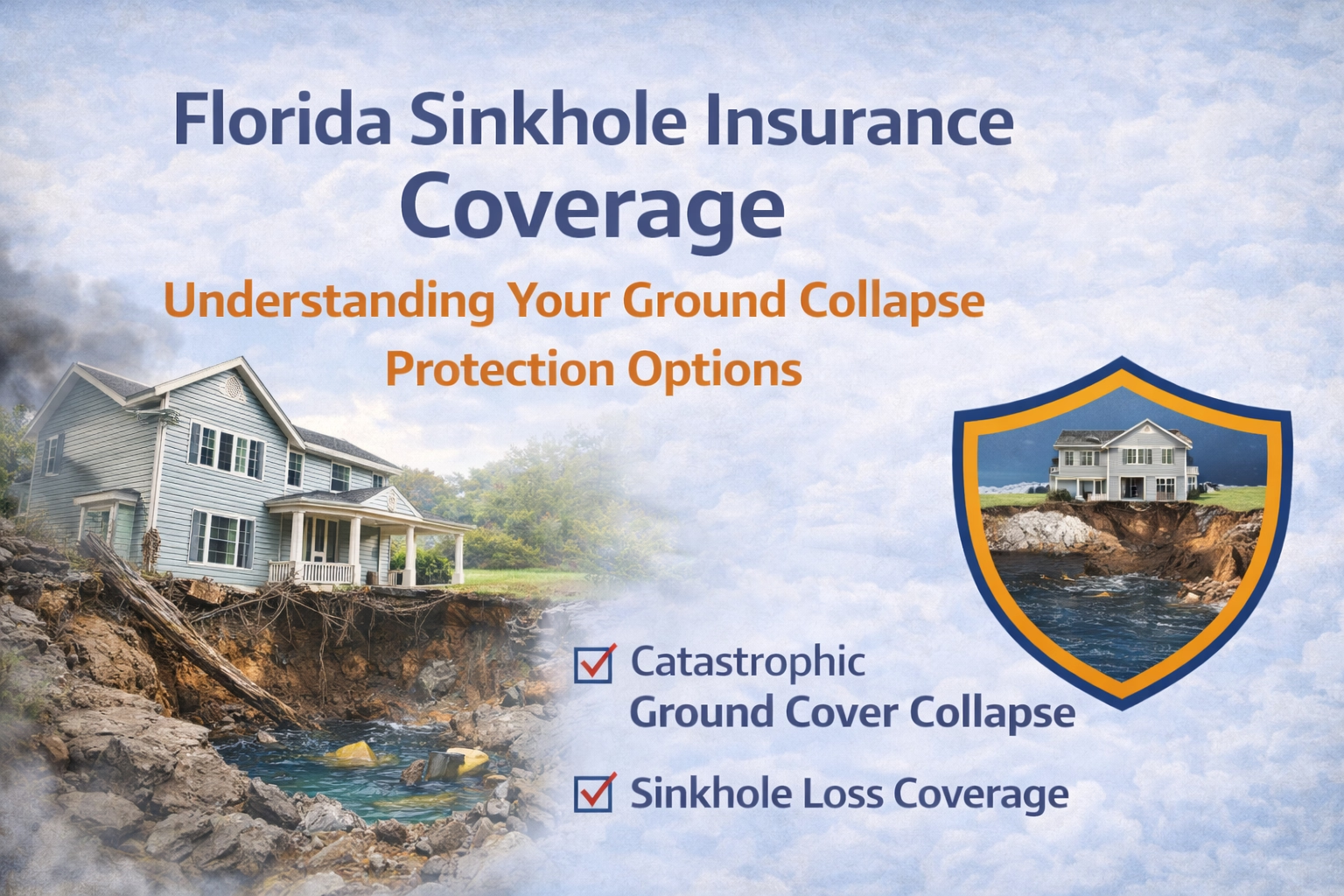
Florida sinkhole insurance coverage pays to repair damage when the ground beneath your home collapses due to underground limestone dissolution. Florida's geology makes it the most sinkhole-prone state in the nation, with thousands of sinkholes forming annually across the state. Standard homeowners policies include limited protection called catastrophic ground cover collapse, but this coverage has strict requirements that leave many sinkhole-related losses uncovered.
True sinkhole coverage, which provides broader protection, must be purchased as a separate endorsement and is only available in certain areas from insurers willing to offer it.
The distinction between catastrophic ground cover collapse and actual sinkhole coverage confuses many Florida homeowners. Understanding what your policy actually covers, and what gaps exist, helps you make informed decisions about whether additional protection makes sense for your property. Location matters enormously since some Florida regions face substantially higher sinkhole risk than others, making the additional coverage more valuable in certain areas.
How Sinkholes Form in Florida
Florida sits atop a massive limestone foundation that's been dissolving slowly for millions of years. Slightly acidic groundwater percolates through soil and gradually eats away at the porous limestone below, creating underground cavities. When these cavities grow large enough that the overlying soil can no longer bridge the gap, the ground collapses.
This process happens throughout Florida but concentrates in certain regions. The limestone sits closer to the surface in central Florida, particularly along a corridor from Tampa through Orlando and into the northern part of the state. Hillsborough, Pasco, Hernando, and Marion counties report the highest sinkhole activity, though sinkholes can and do occur throughout the state.
Human activity can accelerate sinkhole formation. Heavy groundwater pumping lowers water tables, removing the water that previously helped support underground cavities. Construction activity and changes to drainage patterns alter how water moves through soil. Drought followed by heavy rain cycles stress underground formations. While you can't prevent sinkholes, understanding these factors helps explain why they seem to cluster in certain areas and time periods.
Sinkholes range from minor depressions causing cosmetic damage to catastrophic collapses swallowing entire structures. Most sinkholes develop gradually, showing warning signs like cracks in walls, doors that won't close properly, or depressions forming in yards. Others open suddenly with little warning. Both types can cause significant property damage requiring substantial repairs.
Catastrophic Ground Cover Collapse: Your Standard Coverage
Every Florida homeowners policy must include coverage for catastrophic ground cover collapse at no additional premium. This sounds reassuring until you understand the strict requirements that must all be met before coverage applies.
For damage to qualify as catastrophic ground cover collapse under Florida law, four conditions must exist simultaneously. First, there must be an abrupt collapse of ground cover. Second, a depression or visible opening in the ground must be present. Third, structural damage to the building must occur, including foundation damage. Fourth, the building must be condemned and ordered vacated by a government agency.
These requirements dramatically limit when coverage applies. If your foundation cracks and walls shift due to underground soil movement, but no visible hole opens in your yard, catastrophic ground cover collapse coverage doesn't apply. If damage occurs gradually rather than abruptly, coverage doesn't apply. If your home suffers significant damage but authorities don't condemn it, coverage doesn't apply.
The practical result is that catastrophic ground cover collapse coverage helps only in worst-case scenarios where homes become completely uninhabitable due to sudden, visible ground collapse. The far more common scenario of gradual settling, foundation damage, and structural cracks from underground limestone dissolution falls outside this limited coverage.
True Sinkhole Coverage: Broader Protection
Sinkhole coverage, available as a separate endorsement, provides broader protection than the basic catastrophic ground cover collapse included in standard policies. This coverage responds to sinkhole activity, defined as settlement or systematic weakening of earth supporting the building caused by underground limestone dissolution.
The key difference is that sinkhole coverage doesn't require a visible hole, sudden collapse, or government condemnation. If underground void formation causes your foundation to settle and crack your walls, sinkhole coverage can respond even though catastrophic ground cover collapse coverage wouldn't apply.
Florida law requires insurers to offer sinkhole coverage to homeowners who request it, but allows insurers to inspect properties and deny coverage based on sinkhole risk assessments. Insurers can require geological testing before agreeing to provide coverage. They can also charge substantial premiums reflecting the property's specific risk.
Sinkhole coverage costs vary dramatically based on location and property characteristics. Homeowners in high-risk counties may pay $2,000 to $5,000 or more annually for sinkhole coverage, while those in lower-risk areas might pay $300 to $800. Some properties in particularly risky areas may find coverage unavailable at any price.
The coverage typically includes a separate deductible, often 1% to 10% of dwelling coverage. On a $400,000 home, a 5% sinkhole deductible means paying the first $20,000 of any sinkhole claim yourself. This substantial deductible reflects the potentially high cost of sinkhole repairs.
Who Needs Sinkhole Coverage
Location determines sinkhole risk more than any other factor. Homeowners in high-activity areas face substantially greater exposure than those in lower-risk regions.
Hillsborough, Pasco, and Hernando counties along the Tampa Bay area report the highest concentration of sinkhole claims in Florida. If you live in this region, sinkhole coverage deserves serious consideration despite the cost. The same applies to Marion County and portions of Lake and Polk counties in central Florida.
South Florida and the coastal regions generally face lower sinkhole risk because the limestone sits deeper underground or different geological conditions exist. However, sinkholes can occur anywhere in Florida, and assuming your area is immune based on location alone isn't wise.
Research your specific property's sinkhole history before deciding on coverage. The Florida Geological Survey maintains databases of reported sinkholes. Some counties provide online mapping tools showing sinkhole locations. Your title company may have disclosed previous sinkhole activity when you purchased. Neighbors and longtime residents often know about area sinkhole history.
Homes that have previously experienced sinkhole activity or repairs face elevated ongoing risk. If your property has a sinkhole history, coverage becomes more important but may also be more difficult and expensive to obtain. Disclose any known sinkhole history when applying for coverage since failure to disclose can void claims later.
Consider your financial ability to absorb sinkhole damage costs when deciding on coverage. Foundation repairs and structural stabilization for sinkhole damage commonly run $50,000 to $150,000 or more. If you couldn't handle these costs without insurance, coverage makes more sense regardless of location.
Warning Signs of Sinkhole Activity
Recognizing early warning signs allows faster response to developing sinkholes, potentially limiting damage. Understanding these indicators helps you know when to investigate further.
Cracks appearing in interior walls, especially diagonal cracks near doors and windows, can indicate foundation movement from underground changes. Not every crack signals sinkhole activity since normal settling causes some cracking in all homes, but new cracks appearing suddenly or growing over time warrant attention.
Doors and windows that previously operated smoothly but suddenly stick or won't close properly suggest structural shifting. Uneven floors that develop slopes or soft spots can indicate foundation problems. Cracks in exterior block walls or stair-step cracks in brick facades point toward foundation movement.
Outside your home, watch for depressions forming in lawns, driveways, or landscaped areas. Circular patterns of dead vegetation can indicate underground changes affecting soil moisture. Fence posts, trees, or other embedded objects that begin leaning may signal ground movement.
If you notice these warning signs, document them with photographs and measurements. Monitor whether they worsen over time. Consider consulting a geotechnical engineer if signs persist or multiply. Early investigation can identify problems before they become catastrophic and potentially strengthen insurance claims if damage develops.
Filing Sinkhole Claims
Sinkhole claims involve more complexity than typical homeowners claims. Insurers often dispute whether damage actually results from sinkhole activity versus other causes like normal settling, poor construction, or drainage issues.
When you suspect sinkhole damage, notify your insurer promptly in writing. Document all visible damage thoroughly with photographs, video, and written descriptions. Note when you first observed damage and how it has progressed.
Florida law requires insurers to hire professional engineers or geologists to investigate sinkhole claims. The insurer's expert will test your property to determine whether sinkhole activity exists and whether it caused the claimed damage. This testing may include ground-penetrating radar, soil borings, and laboratory analysis.
You have the right to be present during testing and to receive copies of all reports. If testing confirms sinkhole activity, the insurer must provide a remediation plan from a professional engineer. You're entitled to choose from qualified contractors to perform repairs, not just contractors the insurer suggests.
If you disagree with the insurer's determination that sinkhole activity isn't present, you can hire your own geotechnical expert for an independent evaluation. Disputed claims may require neutral evaluation or litigation to resolve. Florida law includes specific procedures for sinkhole claim disputes given their technical complexity.
Working with a knowledgeable insurance professional before filing claims helps you understand your coverage and navigate the process. Public adjusters and attorneys specializing in sinkhole claims can assist if disputes arise.
Alternatives to Sinkhole Coverage
If sinkhole coverage is unavailable or unaffordable for your property, consider other risk management approaches.
Geological testing before coverage issues arise identifies existing problems that might disqualify you from coverage anyway. Knowing your property's actual risk helps you make informed decisions about purchasing coverage, selling, or accepting the risk.
Foundation stabilization work like underpinning can reduce future damage even if sinkhole activity occurs. While expensive, proactive stabilization may cost less than post-damage repairs and makes properties more insurable.
Building financial reserves to self-insure sinkhole risk might make sense in lower-risk areas where coverage costs seem disproportionate to actual exposure. However, this approach requires discipline in maintaining adequate reserves and acceptance of potentially catastrophic out-of-pocket costs.
When buying property in Florida, especially in high-risk areas, consider sinkhole history and insurability as factors in your purchase decision. Properties with disclosed sinkhole histories may be difficult to insure and finance.
Frequently Asked Questions
What's the difference between sinkhole coverage and catastrophic ground cover collapse?
Catastrophic ground cover collapse requires a visible hole, abrupt collapse, structural damage, and government condemnation, all simultaneously. Sinkhole coverage responds to broader ground settlement and foundation damage from underground limestone dissolution even without a visible hole or condemnation order. Standard policies include only catastrophic ground cover collapse.
How much does sinkhole coverage cost in Florida?
Costs vary dramatically by location and property characteristics. High-risk areas like Hillsborough and Pasco counties may see premiums of $2,000 to $5,000 or more annually. Lower-risk areas might cost $300 to $800. Deductibles typically range from 1% to 10% of dwelling coverage, representing substantial out-of-pocket exposure.
Is sinkhole coverage required in Florida?
No, sinkhole coverage isn't required. However, Florida law requires insurers to offer it upon request. Insurers can inspect properties and deny coverage based on risk assessments, and they can charge premiums reflecting the property's specific risk. Some properties may find coverage unavailable.
What are warning signs of sinkhole activity?
Watch for new or growing cracks in walls, doors and windows that stick, uneven or soft spots in floors, depressions forming in yards, circular dead vegetation patterns, and leaning fence posts or trees. These signs warrant investigation though they don't always indicate sinkholes.
Does homeowners insurance cover foundation repairs from settling?
Generally no. Standard policies exclude damage from settling, soil movement, and foundation problems unless caused by a specific covered peril. Sinkhole coverage is an exception that specifically addresses foundation damage from underground limestone dissolution. Normal settling and other ground movement remain excluded.
What should I do if I think I have sinkhole damage?
Document all visible damage with photos and written descriptions. Contact your insurer promptly in writing to report the claim. The insurer must hire experts to investigate. You can attend testing and receive copies of reports. If you disagree with findings, you can hire your own geotechnical expert for independent evaluation.
If you’re a homeowner in Florida, having the right insurance coverage is essential to protect your investment from hurricanes, floods, and other unexpected events. Learn more about the different coverage options, policy requirements, and ways to save by visiting our detailed guide to Florida home insurance.

Get a
Florida Home Insurance
Quote






To see how Worth can reduce your risk.
Get a Free Quote


