St. Petersburg Home Insurance: Coverage Options & Local Rates
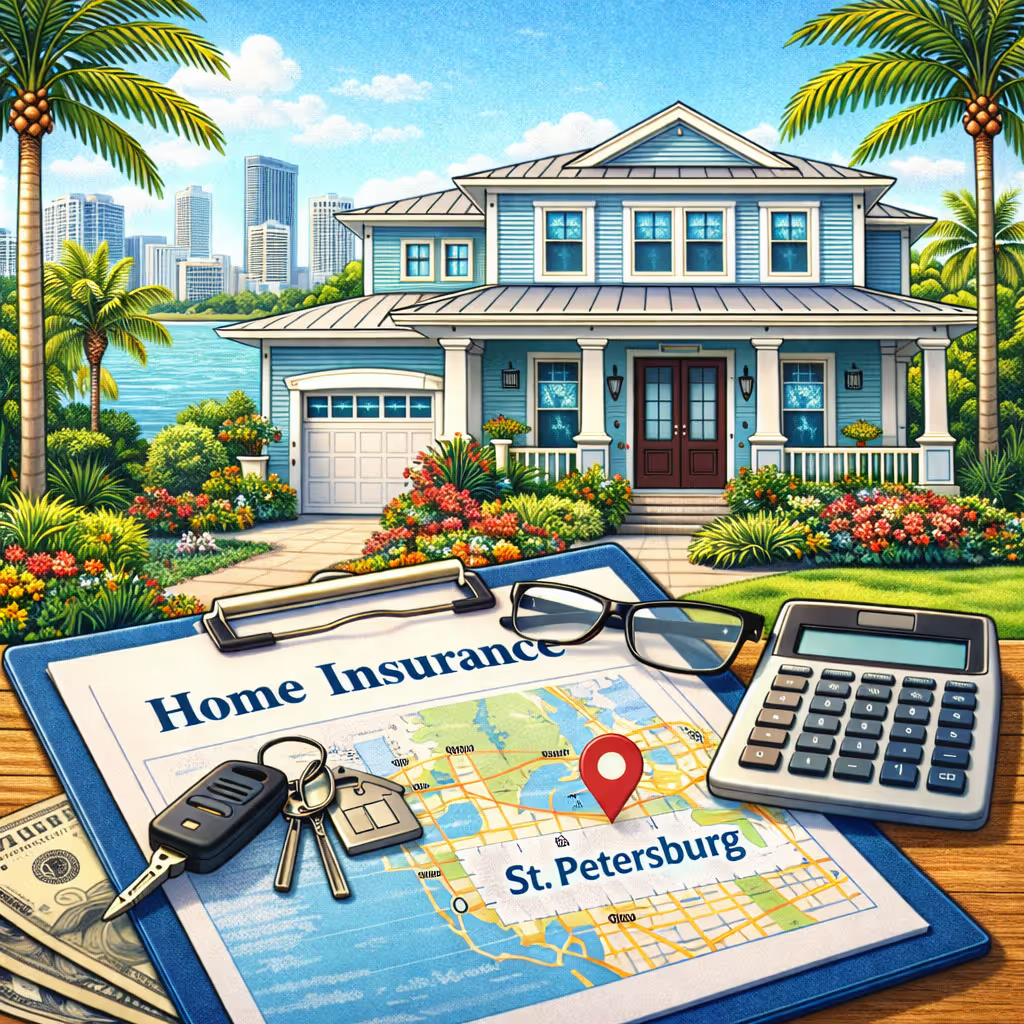
Table of Contents
St. Petersburg home insurance costs more than the Florida average due to the city's peninsula location surrounded by Tampa Bay and the Gulf of Mexico. Homeowners in Pinellas County face significant hurricane, flood, and windstorm exposure that drives up premiums and limits the number of insurance companies willing to write policies. Finding adequate coverage requires understanding the specific risks of living on Florida's most densely populated peninsula.
Despite these challenges, St. Petersburg remains a desirable place to live, and insurance options do exist for those who know how to navigate the market. The key is understanding which companies actively write policies in Pinellas County, what coverage you actually need given local risks, and how to position your property for the best available rates.
Why St. Petersburg Insurance Is Challenging
St. Petersburg's geography creates insurance complications that mainland Florida cities don't face. The city sits on a peninsula with water on three sides, leaving limited evacuation routes and maximum exposure to tropical weather systems.
The Pinellas County peninsula is essentially a barrier island chain connected to the mainland, with Tampa Bay to the east and the Gulf of Mexico to the west. This means virtually every St. Petersburg property faces some degree of water-related risk, whether from hurricane storm surge, flooding from heavy rainfall, or wind damage from Gulf storms.
According to the Federal Emergency Management Agency's National Risk Index, Pinellas County ranks among the highest-risk counties in Florida for hurricane damage. This federal risk assessment directly influences how private insurance companies evaluate and price coverage in the area.
The city's housing stock adds another layer of complexity. St. Petersburg has wonderful historic neighborhoods like Old Northeast, Kenwood, and Historic Uptown with homes dating back to the early 1900s. These older properties often have outdated electrical, plumbing, and construction methods that insurers view cautiously. Meanwhile, newer waterfront developments command high values that require substantial coverage limits.
Population density compounds insurance challenges. Pinellas County is Florida's most densely populated county, which means more properties exposed to the same weather events and more potential claims from any single storm. Insurers factor this concentration of risk into their pricing models.
Best Home Insurance Companies Serving St. Petersburg
The number of insurance companies willing to write homeowners policies in St. Petersburg has decreased significantly over the past several years. However, options remain for homeowners who shop strategically.
Citizens Property Insurance Corporation has become a dominant player in St. Petersburg by default. As Florida's insurer of last resort, Citizens provides coverage when private companies won't or when their rates are substantially higher. Many Pinellas County homeowners who previously had private coverage now find themselves with Citizens policies.
Tower Hill Insurance continues writing policies in Pinellas County and understands Florida's Gulf Coast risks. They've maintained their presence in the market when other carriers have retreated.
Heritage Property & Casualty and Federated National also serve the St. Petersburg market, though both have tightened underwriting standards. These regional carriers may provide options for properties that national companies decline.
Universal Property & Casualty and American Integrity Insurance Company write policies in Pinellas County as well. Availability varies based on property location, age, and condition.
State Farm and Allstate still write some policies in St. Petersburg, though they've become much more selective about which properties they'll cover. Newer homes in less flood-prone areas have better chances of qualifying for coverage from these national carriers.
For high-value waterfront properties, specialty insurers focusing on expensive homes may provide appropriate coverage when standard carriers can't meet coverage limit needs.
Getting quotes from multiple carriers is essential in St. Petersburg. What one company declines, another might accept, and rate differences between carriers can be substantial for similar coverage.
St. Petersburg Home Insurance Rates and Cost Factors
Several factors determine what you'll pay for home insurance in St. Petersburg, and many relate directly to the peninsula's water exposure.
Location within the city significantly affects rates. Properties along the waterfront, in flood zones, or in evacuation zones pay substantially more than homes in central areas on higher ground. A home in Shore Acres or Snell Isle will typically cost more to insure than a home of similar value in Kenwood or Euclid Park.
Flood zone designation is particularly important in St. Petersburg. Much of the city sits in FEMA-designated flood zones that affect both your homeowners insurance rates and your requirement for separate flood insurance. Properties in high-risk zones face the highest costs.
Your home's age plays a major role in pricing. St. Petersburg's many pre-1950 homes in historic neighborhoods face higher rates and more underwriting scrutiny than newer construction. Roofs over 15 years old create particular problems regardless of home age.
Construction type influences rates significantly. Concrete block construction typically earns better rates than wood frame, though many of St. Petersburg's charming older homes are wood frame construction. Hip roofs generally earn better rates than gable roofs due to superior wind performance.
Your home's elevation can affect rates in flood-prone areas. Properties with higher finished floor elevations relative to base flood elevation may qualify for lower flood insurance rates, which improves overall insurance costs.
Hurricane mitigation features provide meaningful discounts. Impact windows, storm shutters, reinforced garage doors, and roof tie-downs all demonstrate reduced risk to insurers and earn premium reductions.
For broader context on how location affects Florida insurance pricing, explore Florida home insurance resources.
Flood Insurance for St. Petersburg Properties
Flood insurance deserves special attention for St. Petersburg homeowners because standard homeowners policies do not cover flood damage, and flood risk here is substantial.
Much of St. Petersburg sits at low elevation, with areas along the waterfront, bayous, and canals facing significant flood exposure. Even properties blocks from the water can experience flooding from heavy rainfall, storm surge, or overwhelmed drainage systems.
The National Flood Insurance Program provides coverage for most properties, with standard limits of $250,000 for dwelling coverage and $100,000 for contents. For many St. Petersburg homes, particularly higher-value properties, these limits may not provide adequate protection.
Private flood insurance has become more available and may offer higher coverage limits, lower rates, or better terms than NFIP policies for some properties. Comparing NFIP and private options is worthwhile, especially for homes that need coverage beyond NFIP limits.
If you have a federally backed mortgage and your property is in a high-risk flood zone, your lender requires flood insurance. But flood coverage is advisable for virtually all St. Petersburg properties given the area's vulnerability, even those in moderate-risk zones.
Flood insurance has a 30-day waiting period before coverage takes effect, so purchasing during hurricane season when you realize you need it often means waiting out storms unprotected. Buy coverage well before you need it.
Elevation certificates document your property's height relative to base flood elevation and can affect flood insurance rates. If you don't have an elevation certificate, obtaining one may help reduce flood insurance costs for properties elevated above flood levels.
Learn more about protecting your home from water damage through Florida flood insurance options.
Hurricane and Wind Coverage in St. Petersburg
Hurricane protection is non-negotiable for St. Petersburg homeowners. The city's Gulf Coast location puts it directly in the path of storms entering Florida from the west.
Wind coverage is included in standard Florida homeowners policies, but the specific terms matter significantly. Hurricane deductibles in St. Petersburg are typically percentage-based, ranging from 2% to 5% of your dwelling coverage. On a $400,000 home, a 2% hurricane deductible means $8,000 out of pocket before coverage begins.
Understanding deductible triggers is important. Most policies trigger hurricane deductibles based on National Weather Service declarations or specific wind speed thresholds. Know what conditions activate the higher deductible versus your standard deductible.
Storm surge represents one of St. Petersburg's most serious risks, but homeowners insurance doesn't cover it. Storm surge is classified as flood damage, requiring separate flood insurance. Many St. Petersburg properties in evacuation zones face substantial storm surge risk that must be addressed through flood coverage.
Wind-driven rain damage falls into a gray area. If wind damages your roof and rain enters through that opening, the resulting water damage is typically covered by homeowners insurance. But flood water entering from outside is only covered by flood insurance. Documenting damage carefully after storms helps ensure proper coverage applies.
Named storm deductibles may differ from hurricane deductibles in some policies. Review your policy language carefully to understand exactly what triggers each deductible type.
Building code upgrade coverage is particularly important in St. Petersburg. If your older home sustains major damage, you may be required to rebuild to current codes, which can substantially increase costs. Make sure your policy includes adequate coverage for these required upgrades.
Historic Home Insurance in St. Petersburg
St. Petersburg's historic neighborhoods contain beautiful early 20th century architecture that requires specialized insurance approaches. Areas like Old Northeast, Kenwood, Roser Park, and Historic Uptown feature homes with unique character and equally unique insurance challenges.
Older homes typically have construction methods and materials that don't meet current building codes. Original wood frame construction, outdated electrical systems, and aging plumbing all affect coverage availability and pricing.
Replacement cost considerations become complex with historic homes. Recreating original architectural details, custom millwork, decorative features, and period-appropriate materials costs substantially more than standard construction. Ensure your coverage limits account for true replacement costs, not just square footage calculations.
Some insurance companies are more comfortable with historic properties than others. Working with agents familiar with St. Petersburg's historic neighborhoods can help identify carriers willing to write coverage at reasonable rates.
Four-point inspections evaluating roof, electrical, plumbing, and HVAC are commonly required for homes over 20 years old. Given the age of many St. Petersburg homes, these inspections are standard practice. Addressing issues identified in inspections improves both insurability and safety.
Historic district requirements may limit modifications you can make for insurance purposes. Replacing original windows with impact-resistant versions might conflict with historic preservation guidelines. Discuss these constraints with your agent to find solutions that satisfy both insurance and preservation requirements.
Wind mitigation inspections can identify existing protective features in older homes that may qualify for discounts. Even historic homes sometimes have construction methods that provide wind resistance benefits.
Waterfront Property Insurance in St. Petersburg
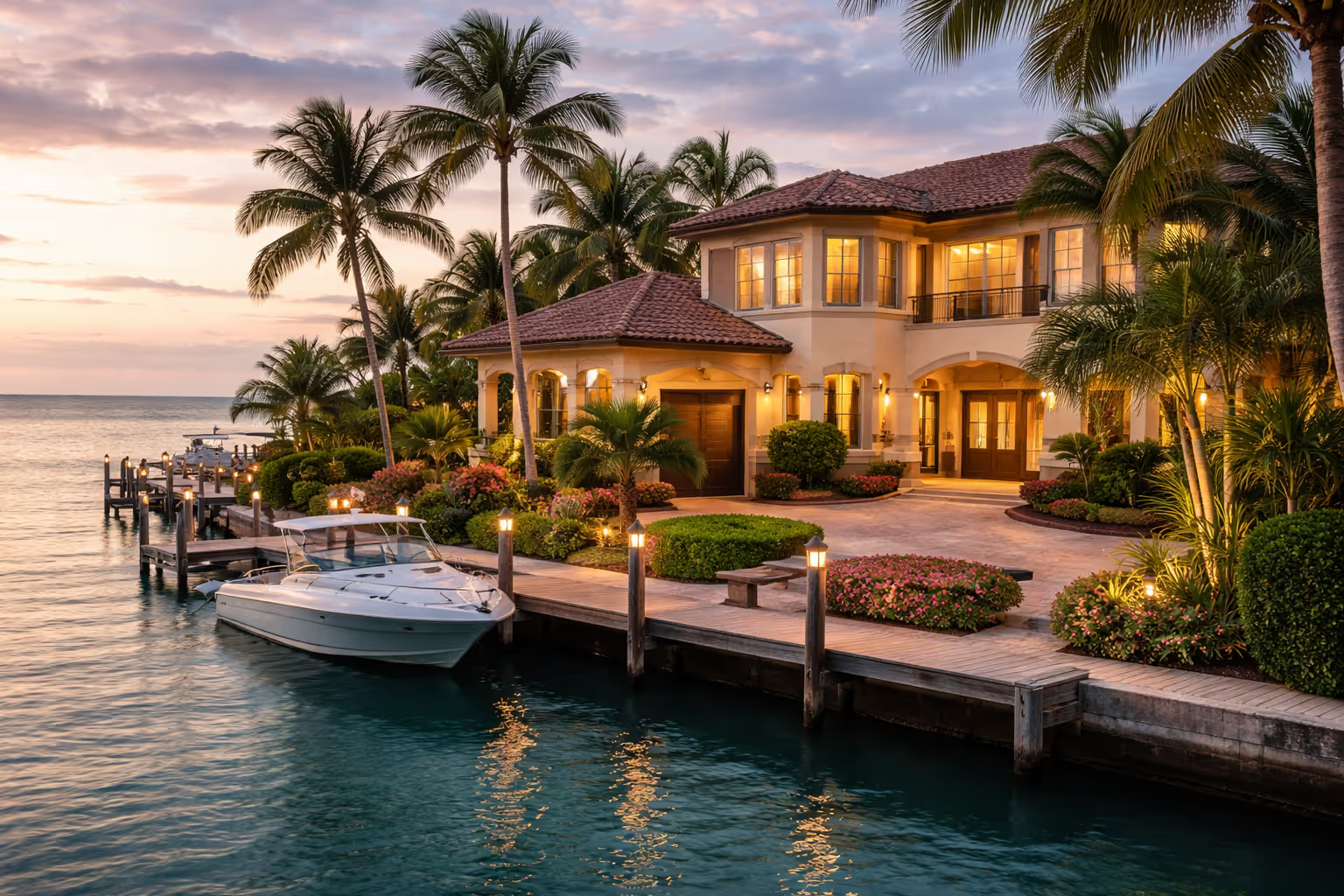
St. Petersburg's extensive waterfront creates opportunities for beautiful living but also significant insurance challenges. Properties along Tampa Bay, the Gulf, or the city's many bayous and canals face amplified risks.
Waterfront homes face the highest wind and flood exposure in the city. Insurance rates for these properties typically far exceed rates for comparable inland homes. Some insurers won't write waterfront coverage at all, limiting your options.
Seawall and dock coverage requires attention for waterfront properties. Standard homeowners policies may have limited coverage for these structures, and you may need additional coverage or endorsements to protect these expensive features.
Boat insurance is a separate consideration for waterfront homeowners. If you keep a boat at your property, you'll need dedicated boat coverage rather than relying on your homeowners policy. Learn about Florida boat insurance options.
Erosion and earth movement are typically excluded from standard policies. Waterfront properties facing shoreline erosion may not have coverage for related damage, which is worth understanding when evaluating your risk exposure.
High-value waterfront properties may need specialty insurers who focus on expensive homes. These carriers offer higher coverage limits and services that standard carriers don't provide, though at premium prices.
Wind mitigation investments provide particularly large premium savings for waterfront properties because the base rates are so high. Impact windows and storm shutters on a waterfront home can save thousands annually.
St. Petersburg Neighborhood Insurance Considerations
Different St. Petersburg neighborhoods present varying risk profiles that affect insurance availability and pricing.
Downtown St. Petersburg includes high-rise condos and historic properties with different insurance needs. Condo owners need HO6 policies that coordinate with building master policies. Learn more about Florida condo insurance requirements.
Old Northeast and Snell Isle feature beautiful waterfront and near-waterfront homes with corresponding insurance complexity. The combination of older construction, high values, and water exposure creates challenging insurance situations.
Kenwood and Historic Uptown contain primarily older single-family homes that face the typical challenges of insuring historic properties. These inland neighborhoods generally have lower flood risk than waterfront areas.
Shore Acres and Venetian Isles are essentially at sea level with extensive waterfront exposure. Insurance costs in these areas reflect the significant flood and storm surge risk.
Gulfport, while technically its own city, functions as a St. Petersburg neighborhood and shares similar insurance characteristics. Its small-town character includes many older homes and waterfront properties.
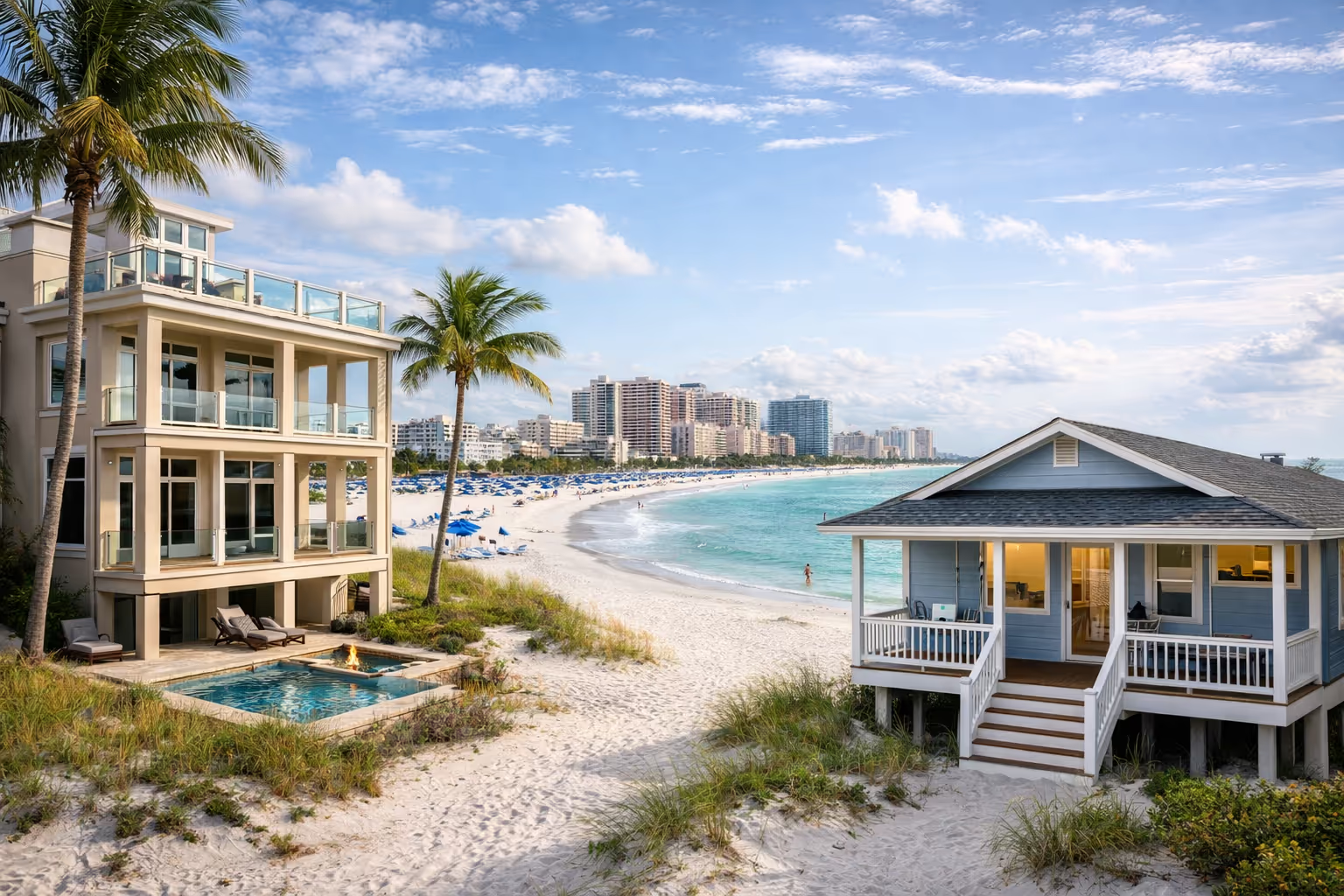
The Beaches including St. Pete Beach, Treasure Island, and Madeira Beach face maximum hurricane and flood exposure. Insurance costs in these barrier island communities are among the highest in the region.
Tips for St. Petersburg Homeowners to Save on Insurance
Despite the challenging market, strategies exist to reduce your St. Petersburg home insurance costs without sacrificing necessary protection.
Hurricane mitigation improvements offer the largest potential savings. Impact windows, storm shutters, reinforced garage doors, and roof upgrades can reduce premiums significantly. Given St. Petersburg's high base rates, the dollar savings from these improvements can be substantial.
Roof condition is critical. If your roof is aging, prioritize replacement before it becomes an insurance problem. A new roof meeting current Florida building codes improves both your protection and your insurance options.
Bundling home and auto insurance provides reliable discounts with most carriers. In a market where options are limited, bundling discounts become even more valuable.
Increasing deductibles lowers premiums, but ensure you can afford the higher out-of-pocket costs. Given St. Petersburg's hurricane exposure, consider whether you could pay a higher deductible if a major storm hits.
Flood insurance shopping can yield savings. Compare NFIP rates with private flood insurance options, as private carriers may offer better terms for some properties.
Maintaining a claims-free history protects your access to coverage and the best rates. Think carefully before filing small claims that might affect your long-term insurability.
Shopping annually ensures competitive pricing. The St. Petersburg market changes as companies enter, exit, and adjust their appetite. What was your best option last year might not be this year.
Working with St. Petersburg Insurance Professionals
Given the complexity of the St. Petersburg insurance market, working with experienced local professionals provides significant advantages.
Independent agents representing multiple carriers can compare options across several companies simultaneously. They know which carriers are actively writing in Pinellas County and which properties each carrier prefers.
Agents familiar with St. Petersburg understand the specific challenges of insuring peninsula properties, historic homes, and waterfront real estate. Their local knowledge helps match your situation with appropriate carriers.
For difficult situations involving older homes, high-value waterfront properties, or claims history, agents with access to surplus lines and specialty markets may find solutions standard carriers won't offer.
Worth Insurance understands the challenges St. Petersburg homeowners face and can help navigate the limited options to find appropriate coverage. Professional guidance is particularly valuable in challenging markets like Pinellas County.
Connecting with the right professionals can make the difference between struggling to find coverage and securing appropriate protection at competitive rates. For comparison with other Florida markets, see how rates and options differ in areas like Jacksonville, which faces lower hurricane risk.
Frequently Asked Questions About St. Petersburg Home Insurance
Why is home insurance so expensive in St. Petersburg?
St. Petersburg's peninsula location surrounded by Tampa Bay and the Gulf of Mexico creates maximum exposure to hurricanes, flooding, and storm surge. According to FEMA's National Risk Index, Pinellas County ranks among Florida's highest-risk counties for hurricane damage. This elevated risk, combined with high property values and dense population concentration, drives up insurance costs and limits the number of companies willing to write policies.
What insurance companies write home insurance in St. Petersburg?
Citizens Property Insurance Corporation, Tower Hill Insurance, Heritage Property & Casualty, Federated National, Universal Property & Casualty, and American Integrity Insurance write policies in St. Petersburg. State Farm and Allstate still write selective business for newer homes in lower-risk areas. Many national carriers have reduced their presence in Pinellas County, so working with an agent who knows which companies are actively writing policies is essential.
Do I need flood insurance in St. Petersburg?
Yes, flood insurance is strongly recommended for virtually all St. Petersburg properties and required if you have a federally backed mortgage in a high-risk flood zone. Standard homeowners insurance does not cover flood damage, including storm surge. Given the city's low elevation and peninsula location, going without flood coverage is extremely risky regardless of your specific flood zone designation.
How do hurricane deductibles work in St. Petersburg?
Hurricane deductibles in St. Petersburg are typically calculated as a percentage of your dwelling coverage, usually ranging from 2% to 5%. On a $400,000 home, a 2% hurricane deductible means $8,000 out of pocket before coverage begins. These deductibles are triggered by National Weather Service hurricane declarations or specific wind speed thresholds defined in your policy, rather than your standard deductible.
How does living in a historic St. Petersburg neighborhood affect my insurance?
Historic neighborhoods like Old Northeast, Kenwood, and Historic Uptown present unique insurance challenges. Older homes often have outdated electrical, plumbing, and construction methods that insurers view cautiously. Replacement costs are higher due to the expense of recreating architectural details with period-appropriate materials. Four-point inspections are commonly required, and some modifications for insurance purposes may conflict with historic preservation guidelines.
Can I insure a waterfront home in St. Petersburg?
Yes, though options are more limited and rates are significantly higher than for inland properties. Some insurers won't write waterfront coverage at all. Those that do charge premium rates reflecting the elevated wind and flood risk. Specialty insurers focusing on high-value homes may provide options when standard carriers can't meet coverage needs. Wind mitigation improvements provide particularly large savings for waterfront properties.
How can I lower my St. Petersburg home insurance costs?
Hurricane mitigation improvements like impact windows and storm shutters offer the largest potential savings. Maintaining a newer roof is critical for both coverage availability and pricing. Bundling home and auto insurance provides reliable discounts. Increasing deductibles lowers premiums if you can afford higher out-of-pocket costs. Comparing flood insurance options between NFIP and private carriers may yield savings. Shopping coverage annually ensures competitive rates as the market changes.
Is storm surge covered by my homeowners insurance?
No, storm surge is classified as flood damage and is not covered by standard homeowners insurance. You need separate flood insurance through the National Flood Insurance Program or a private flood insurer to cover storm surge damage. This is critically important for St. Petersburg properties in evacuation zones, where storm surge represents one of the most serious risks.
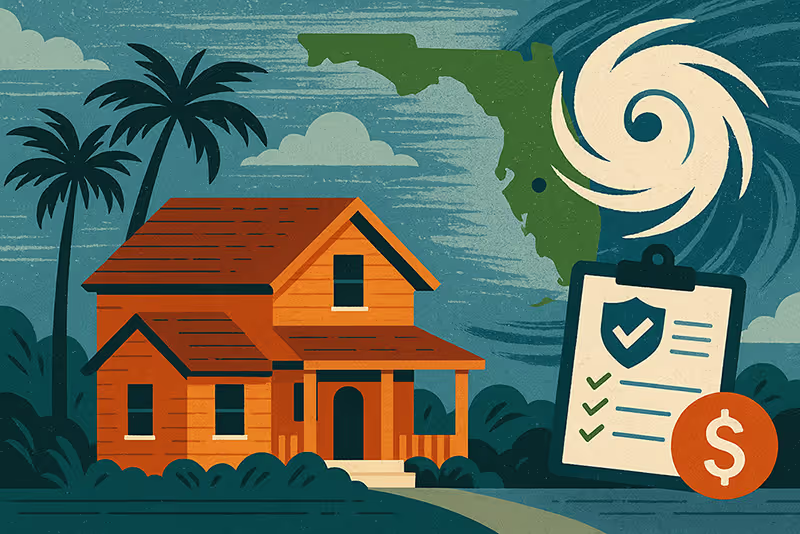
If you’re a homeowner in Florida, having the right insurance coverage is essential to protect your investment from hurricanes, floods, and other unexpected events. Learn more about the different coverage options, policy requirements, and ways to save by visiting our detailed guide to Florida homeowners insurance.

Get a
Florida Home Insurance
Quote









To see how Worth can reduce your risk.
Get a Free Quote


