Clearwater Home Insurance: Best Companies for Beach Properties
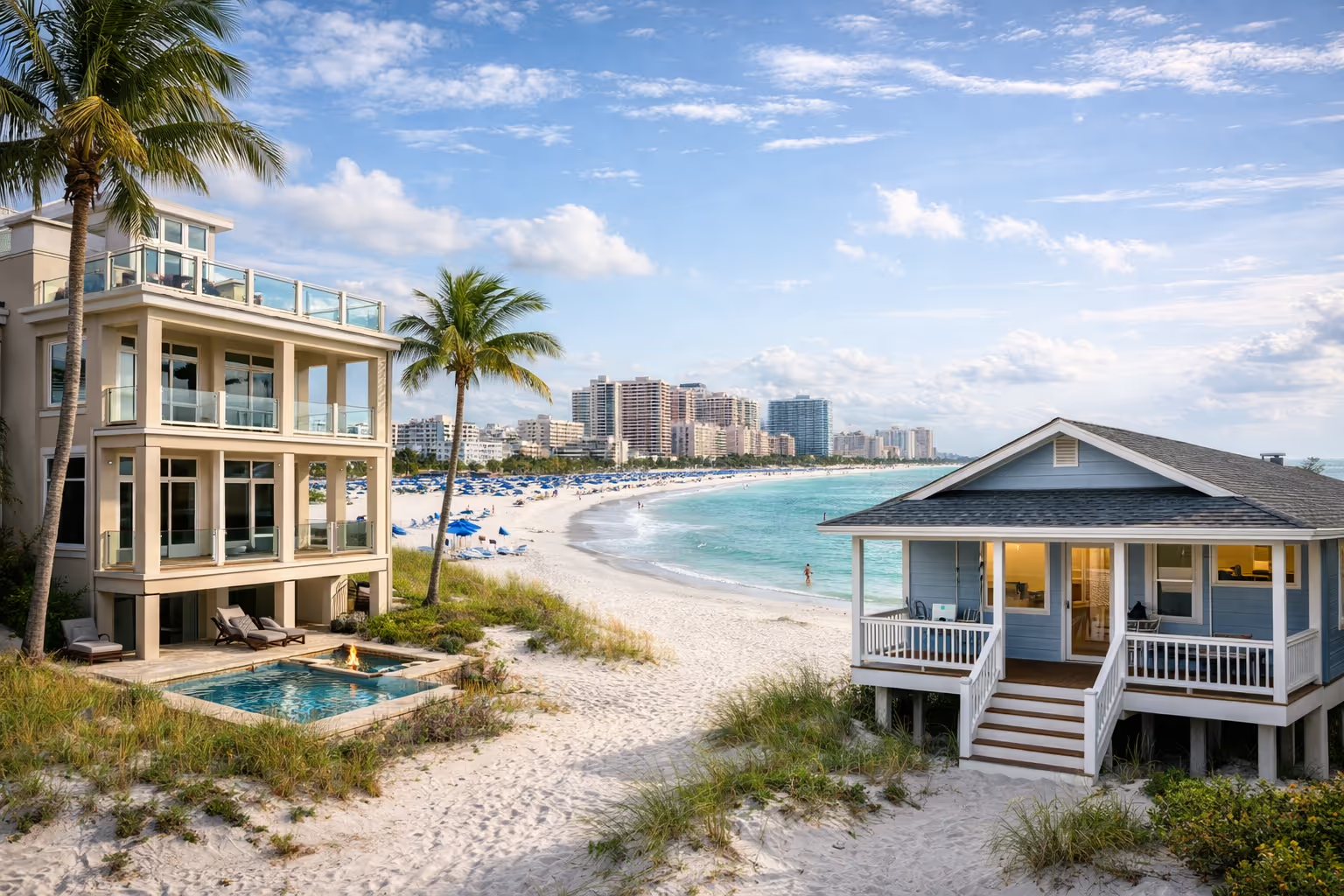
Clearwater home insurance presents many of the same challenges as neighboring St. Petersburg, with the added complexity of Clearwater Beach's barrier island properties facing even greater exposure to Gulf hurricanes and flooding. Homeowners in this part of Pinellas County typically pay premiums well above the state average, and those with beachfront or near-beach properties face some of the highest rates in Florida.
The Clearwater market has tightened considerably as insurance carriers have pulled back from coastal Florida. Finding coverage requires persistence, multiple quotes, and often acceptance that rates will be higher than you might hope. However, options do exist, and understanding the local market helps you secure appropriate protection at the best available price.
Understanding Clearwater's Insurance Landscape
Clearwater sits on Florida's Gulf Coast within Pinellas County, sharing the peninsula geography that makes the entire area challenging for insurance purposes. But Clearwater adds another layer of complexity with its popular beach community separated from the mainland by the Intracoastal Waterway.
Clearwater Beach, Sand Key, and Island Estates are barrier island communities with maximum exposure to Gulf storms. These properties face hurricane winds, storm surge, and flooding risks that place them in the highest-risk insurance categories. Mainland Clearwater properties still face significant risks but generally have somewhat better insurance options than beach properties.
According to a 2023 report from the Insurance Information Institute, Florida accounts for approximately 79% of all homeowners insurance litigation in the United States despite having only about 9% of claims nationally. This litigation environment has driven many insurers out of the Florida market entirely and caused those remaining to be extremely cautious about coastal exposure like Clearwater presents.
The city's housing diversity adds complexity to the insurance picture. Clearwater includes everything from modest inland homes to multi-million dollar beachfront estates, from 1950s concrete block construction to brand new luxury developments. Each property type presents different insurance considerations.
Tourism drives much of Clearwater's economy, and many property owners operate vacation rentals or short-term rental businesses. These commercial activities require different insurance coverage than standard homeowners policies provide, adding another consideration for many local property owners.
Best Insurance Companies for Clearwater Properties
The insurers willing to write coverage in Clearwater have shifted significantly over the past several years. Knowing which companies are active in the market saves time and frustration during your search.
Citizens Property Insurance Corporation has become the dominant insurer in Clearwater, particularly for beach properties. As Florida's insurer of last resort, Citizens provides coverage when private companies won't. Their rates have increased substantially, but they remain available when other options don't exist.
Tower Hill Insurance continues operating in Pinellas County and writes policies for both mainland and beach properties. Their Florida focus means they understand local risks and maintain relationships with local contractors and adjusters.
Heritage Property & Casualty and Universal Property & Casualty also write policies in the Clearwater area. Both have tightened underwriting but remain options for properties that meet their criteria.
Federated National and American Integrity Insurance serve some Clearwater homeowners, though availability varies based on specific property characteristics and location.
For beach properties specifically, options are more limited. Some national carriers have stopped writing barrier island coverage entirely. Specialty insurers focusing on coastal properties or high-value homes may provide options when standard markets don't.
State Farm and Allstate maintain some presence in mainland Clearwater for qualifying properties, particularly newer construction on higher ground. Their willingness to write beach coverage is much more limited.
Working with an agent who knows which companies are currently accepting applications in different parts of Clearwater saves considerable time and helps target your search appropriately.
Clearwater Beach vs. Mainland Insurance Differences
The insurance experience differs dramatically depending on whether your property sits on the barrier islands or the mainland portion of Clearwater.
Clearwater Beach, Sand Key, and Island Estates properties face the highest insurance costs and most limited options. These barrier island locations have maximum hurricane exposure, substantial storm surge risk, and evacuation zone designations that make insurers extremely cautious. Many carriers simply won't write coverage on barrier islands regardless of the property's characteristics.
Mainland Clearwater properties generally have more insurance options and lower rates, though costs still exceed Florida averages. Properties in areas like Clearwater Heights, Countryside, or East Clearwater face meaningful hurricane risk but typically qualify for coverage from more carriers than beach properties.
The difference in rates between comparable beach and mainland properties can be substantial. A mainland home might cost half as much to insure as a similar home on Clearwater Beach, simply due to location-based risk factors.
Flood zone designations also differ significantly between beach and mainland properties. Most beach properties sit in high-risk flood zones requiring mandatory flood insurance, while some mainland areas fall into moderate or lower-risk zones with optional but still recommended flood coverage.
If you're considering purchasing property in Clearwater, factor insurance costs and availability into your decision. The lifestyle benefits of beach living come with insurance realities that significantly affect total cost of ownership.
Hurricane and Flood Coverage Essentials
Hurricane and flood protection are non-negotiable for Clearwater homeowners. The city's Gulf Coast location puts it directly in the path of storms, and its low elevation creates substantial flood risk.
Wind coverage comes standard in Florida homeowners policies, but the specifics matter enormously. Hurricane deductibles in Clearwater are typically percentage-based, ranging from 2% to 5% or higher of your dwelling coverage. On a $500,000 beach home, a 2% hurricane deductible means $10,000 out of pocket before coverage kicks in.
Storm surge represents one of Clearwater's most serious threats, particularly for beach properties. However, storm surge is classified as flood damage and is not covered by homeowners insurance. You need separate flood insurance to protect against this major risk.
Flood insurance through the National Flood Insurance Program provides coverage up to $250,000 for dwellings and $100,000 for contents. For many Clearwater properties, especially higher-value beach homes, these limits may be inadequate. Private flood insurance may offer higher limits for properties needing greater protection.
If you have a mortgage on a property in a high-risk flood zone, your lender requires flood insurance. But even without a mortgage requirement, flood coverage is essential for Clearwater properties given the area's vulnerability.
The interaction between wind damage and flood damage creates claims complexity. Wind-driven rain entering through storm-damaged openings is typically covered by homeowners insurance. Flood water entering from outside requires flood coverage. Documenting damage carefully after storms helps ensure proper coverage applies.
For comprehensive flood protection information, explore Florida flood insurance resources.
Clearwater Home Insurance Rates and Pricing Factors
Multiple factors determine your Clearwater home insurance premium, with location being the most significant for this area.
Beach versus mainland location creates the most dramatic rate differences. Properties on Clearwater Beach, Sand Key, or Island Estates pay substantially more than mainland properties regardless of other factors.
Flood zone designation affects both your homeowners rates and your required flood insurance costs. Properties in FEMA-designated high-risk zones face the highest overall insurance burden.
Your home's age influences rates significantly. Clearwater has a mix of 1950s and 1960s construction alongside newer developments. Older homes face higher rates and more underwriting scrutiny than newer construction built to current codes.
Roof condition and age are critical factors. Many insurers won't write new policies for homes with roofs over 15 years old. If your roof is aging, prioritize replacement before it creates insurance problems.
Construction type affects rates, with concrete block construction typically earning better rates than wood frame. Roof shape matters too, with hip roofs generally outperforming gable roofs in wind resistance evaluations.
Your property's elevation can affect flood insurance rates. Properties elevated above base flood elevation may qualify for lower flood premiums, making elevation certificates valuable documents.
Hurricane mitigation features provide meaningful discounts. Impact windows, storm shutters, reinforced garage doors, and roof tie-downs all demonstrate reduced risk and earn premium reductions.
Coverage limits directly affect premiums. Clearwater's range of property values means coverage needs vary widely. Ensure you're insuring for actual replacement cost, not market value, to avoid being underinsured.
Vacation Rental and Investment Property Coverage
Clearwater's tourism economy means many properties operate as vacation rentals or short-term rentals. These commercial activities require different insurance approaches than standard homeowners policies provide.
Standard homeowners insurance excludes business activities conducted on your property. If you rent your home through Airbnb, VRBO, or similar platforms, your standard policy likely won't cover incidents that occur during rental periods.
Short-term rental insurance or vacation rental insurance provides appropriate coverage for properties used commercially. These policies cover liability for guest injuries, damage caused by guests, and business interruption if your rental becomes unavailable.
Some homeowners policies can be endorsed to cover limited rental activity. If you only rent occasionally, an endorsement might suffice. For properties rented frequently, dedicated vacation rental coverage is appropriate.
Landlord insurance applies if you rent your Clearwater property long-term rather than as a vacation rental. This coverage differs from both standard homeowners and vacation rental policies. Learn more about Florida landlord insurance if you own investment property.
Liability coverage is particularly important for rental properties. Guests unfamiliar with your property face higher injury risk, and litigation involving tourists can be expensive. Ensure your rental policy provides adequate liability limits.
Income protection coverage compensates you if your rental becomes unavailable due to covered damage. For properties generating significant rental income, this coverage helps maintain cash flow during repairs.
Condo Insurance in Clearwater
Clearwater has numerous condominium buildings, from Gulf-front high-rises to mainland townhome communities. Condo insurance works differently than single-family home coverage and requires understanding the relationship between your personal policy and the building's master policy.
HO6 condo policies cover your personal property, improvements you've made to your unit, personal liability, and loss assessment coverage. They also typically include additional living expenses if you're displaced.
The building's master policy covers the structure itself, common areas, and building liability. However, master policies vary significantly in what they cover. Some include interior walls, flooring, and fixtures, while others only cover the basic building structure.
Review your building's master policy carefully to understand what it covers versus what you need to cover personally. The difference determines how much personal coverage you need and can reveal gaps that leave you exposed.
Loss assessment coverage protects you if the condo association doesn't have adequate insurance and assesses unit owners to cover building damage or liability claims. In Clearwater's challenging insurance market, some buildings struggle to maintain adequate master policies, making loss assessment coverage particularly important.
High-rise condos on Clearwater Beach face different insurance challenges than low-rise mainland buildings. Older high-rise buildings may have difficulty securing affordable master policy coverage, which affects individual unit owners through higher HOA fees and special assessments.
For detailed information about condo coverage requirements, explore Florida condo insurance resources.
Wind Mitigation for Clearwater Properties
Investing in wind mitigation features provides both protection and premium savings that are especially valuable in Clearwater's high-cost insurance market.
Impact windows offer the largest potential savings, often reducing wind premiums by 20% to 45% depending on coverage levels. They also provide security benefits, UV protection, and noise reduction beyond their insurance value.
Hurricane shutters provide protection at lower cost than impact windows, though the premium savings are typically smaller. Accordion shutters, roll-down shutters, and panel systems all qualify for discounts when properly documented.
Roof improvements including hurricane straps, secondary water barriers, and impact-resistant roofing materials earn meaningful discounts. If you're replacing your roof, choosing wind-resistant options adds minimal cost while providing ongoing insurance benefits.
Reinforced garage doors prevent a major structural weak point from failing during storms. Garage door failure can lead to catastrophic pressure changes that damage entire structures.
Opening protection for all vulnerable points including doors, windows, and skylights provides the maximum wind mitigation discounts. Partial protection earns partial credit.
Wind mitigation inspections document your property's protective features for insurance purposes. These inspections cost approximately $75 to $150 and must be conducted by certified inspectors. Without proper documentation, you won't receive the discounts your improvements have earned.
Given Clearwater's high base rates, the dollar savings from mitigation features can be substantial. A 30% discount on a $10,000 premium saves $3,000 annually, which adds up over time and helps offset improvement costs.
Tips for Clearwater Homeowners to Manage Insurance Costs
Despite the challenging market, strategies exist to optimize your Clearwater insurance costs without sacrificing necessary protection.
Prioritize hurricane mitigation improvements. The high base rates in Clearwater mean percentage discounts translate to significant dollar savings. Impact windows, shutters, and roof improvements often pay for themselves through premium reductions.
Maintain your roof proactively. Don't wait until your roof creates insurance problems. A new roof meeting current Florida building codes dramatically improves both your coverage options and rates.
Bundle policies when possible. Combining home and auto insurance typically saves 10% to 25% on both policies. In a market where every dollar counts, bundling discounts provide meaningful relief.
Consider higher deductibles carefully. Increasing deductibles lowers premiums, but ensure you can afford the out-of-pocket cost if you file a claim. Given Clearwater's hurricane exposure, have savings set aside to cover deductibles.
Shop flood insurance options. Compare NFIP rates with private flood insurance. Private carriers may offer better terms for some properties, particularly those with favorable elevation.
Maintain claims-free history when practical. Filing small claims can affect your rates and future coverage availability. Consider whether minor claims are worth the potential long-term impact.
Review coverage annually. Your needs change over time, and the market changes too. Annual reviews ensure you're appropriately covered without overpaying.
Work with experienced local agents. Navigating Clearwater's limited insurance market benefits from professional guidance. Agents who know which companies are writing what types of properties save you time and may find options you'd miss on your own.
Working with Clearwater Insurance Professionals
Given the complexity of the Clearwater insurance market, professional guidance provides significant value.
Independent agents representing multiple carriers can shop your coverage across several companies simultaneously. They know which insurers are accepting applications in different parts of Clearwater and for different property types.
Agents familiar with Pinellas County understand the specific challenges of insuring beach properties, older homes, and vacation rentals. Their local expertise helps match your situation with appropriate coverage solutions.
For challenging situations involving beach properties, claims history, or unique features, agents with access to surplus lines and specialty markets may find options standard carriers won't offer.
Worth Insurance understands the Clearwater market and helps homeowners navigate limited options to find appropriate coverage. Professional guidance is particularly valuable in challenging coastal markets.
For comparison with nearby markets, see how St. Petersburg home insurance presents similar challenges, or compare with more favorable markets like Jacksonville to understand how location affects your options across Florida.
Frequently Asked Questions About Clearwater Home Insurance
Why is Clearwater home insurance so expensive?
Clearwater's Gulf Coast location creates significant hurricane, flood, and storm surge exposure that drives up insurance costs. Beach properties on barrier islands face even higher rates due to maximum storm vulnerability. According to the Insurance Information Institute, Florida's high rate of insurance litigation has caused many carriers to exit the market or raise rates substantially, further limiting options and increasing costs for Clearwater homeowners.
What's the difference between insuring a Clearwater Beach home versus a mainland home?
Beach properties on Clearwater Beach, Sand Key, and Island Estates face dramatically higher insurance costs and more limited carrier options than mainland properties. The barrier island location creates maximum hurricane and storm surge exposure that many insurers won't cover at all. Mainland Clearwater properties still pay above-average rates but generally have more carrier options and lower premiums than comparable beach properties.
Do I need flood insurance in Clearwater?
Yes, flood insurance is essential for virtually all Clearwater properties and required if you have a federally backed mortgage in a high-risk flood zone. Standard homeowners insurance does not cover flood damage, including storm surge. Most beach properties and many mainland properties sit in FEMA-designated flood zones. Even properties in moderate-risk zones can experience flooding from heavy rainfall or storm events.
What insurance companies write coverage in Clearwater?
Citizens Property Insurance Corporation, Tower Hill Insurance, Heritage Property & Casualty, Universal Property & Casualty, Federated National, and American Integrity Insurance write policies in Clearwater. State Farm and Allstate write selective coverage for qualifying mainland properties. Beach property options are more limited, with some carriers refusing to write barrier island coverage entirely. Specialty insurers may provide options for high-value beach properties.
How do hurricane deductibles work for Clearwater properties?
Hurricane deductibles in Clearwater are typically calculated as a percentage of your dwelling coverage, usually 2% to 5% or higher. On a $500,000 beach home, a 2% hurricane deductible means $10,000 out of pocket before coverage begins. These deductibles are triggered by National Weather Service hurricane declarations or wind speed thresholds specified in your policy, not by your standard deductible amount.
What insurance do I need for a Clearwater vacation rental?
Standard homeowners insurance excludes business activities like vacation rentals. If you rent your Clearwater property through Airbnb, VRBO, or similar platforms, you need short-term rental insurance or vacation rental insurance. These policies cover liability for guest injuries, damage caused by guests, and business interruption. Some homeowners policies can be endorsed for limited rental activity, but frequent rentals require dedicated coverage.
How can I lower my Clearwater home insurance costs?
Hurricane mitigation improvements like impact windows and storm shutters offer the largest potential savings and are particularly valuable given Clearwater's high base rates. Maintaining a newer roof improves both coverage availability and pricing. Bundling home and auto insurance provides reliable discounts. Comparing NFIP and private flood insurance options may yield savings. Working with experienced local agents helps identify the most competitive options in a limited market.
Is storm surge covered by my Clearwater homeowners insurance?
No, storm surge is classified as flood damage and requires separate flood insurance coverage. This is critically important for Clearwater beach properties where storm surge represents one of the most serious risks. You need either National Flood Insurance Program coverage or private flood insurance to protect against storm surge damage. Standard homeowners policies only cover wind damage, not water entering from flooding or surge.

Get a
Florida Home Insurance
Quote
To see how Worth can reduce your risk.
Get a Free Quote


