Tallahassee Home Insurance: Affordable Rates & Coverage Options
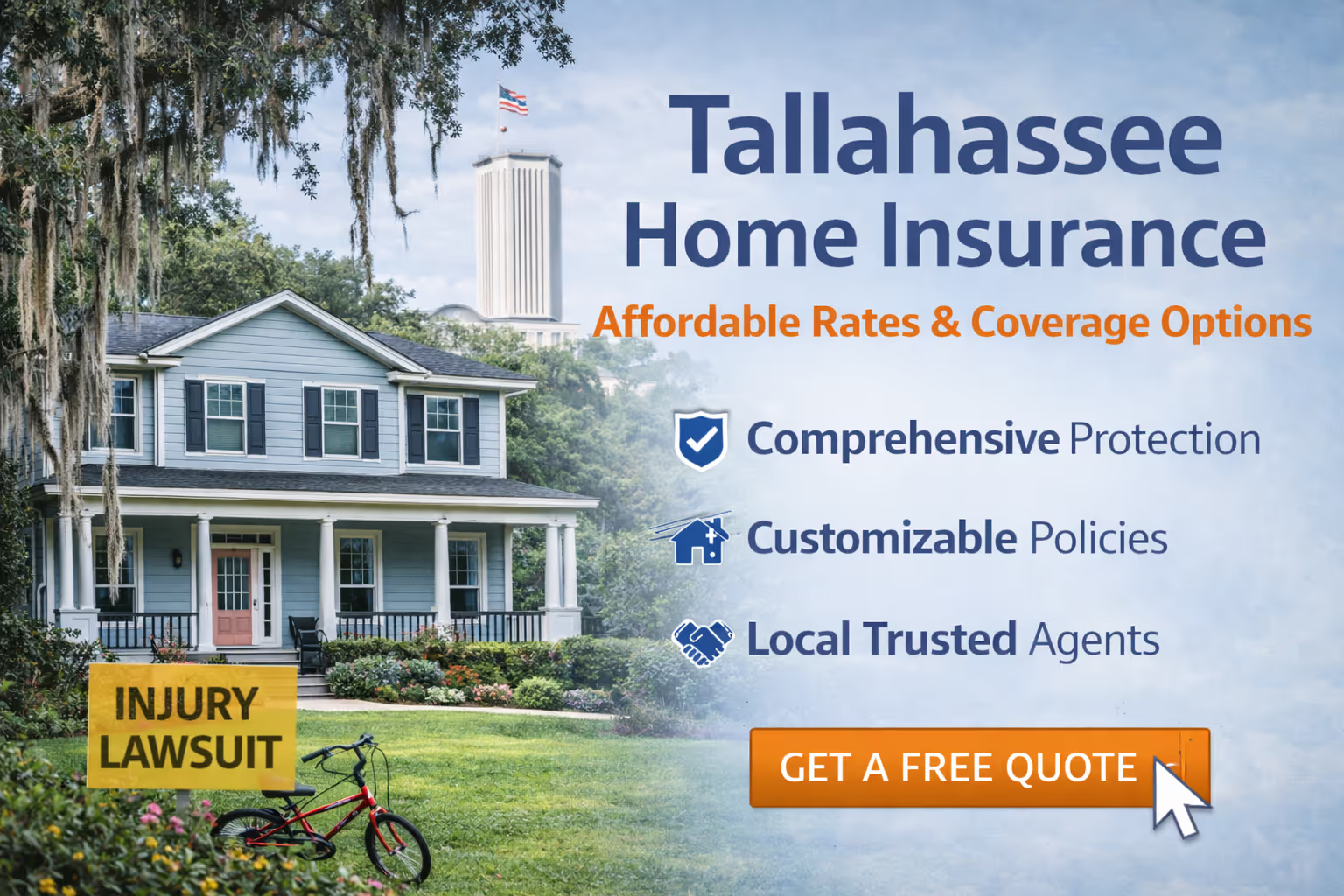
Tallahassee home insurance offers Florida homeowners something increasingly rare: reasonable rates and good carrier availability. The state capital's location in North Florida, far from the coastal hurricane zones that dominate insurance discussions, creates a fundamentally different risk profile than South Florida or Gulf Coast communities.
Homeowners in Leon County typically pay significantly less for coverage and have more insurance company options than residents of Tampa, Miami, or Southwest Florida.
This doesn't mean Tallahassee is without insurance challenges. The city still faces hurricane risk from storms that track through the Gulf or across the state, and severe weather including tornadoes and thunderstorms can cause significant property damage.
But compared to Florida's coastal markets where finding any coverage can be difficult, Tallahassee represents one of the state's more favorable insurance environments.
Why Tallahassee Insurance Differs from Coastal Florida
Tallahassee's insurance advantages stem from geography, distance from the coast, and a different risk profile than the areas dominating Florida insurance headlines.
The city sits approximately 25 miles inland from the Gulf of Mexico, providing substantial buffer from the most severe hurricane wind speeds and eliminating storm surge risk entirely. While hurricanes certainly affect Tallahassee, the wind speeds when storms reach the capital are typically reduced compared to coastal landfall points.
According to NOAA historical data, Tallahassee has experienced hurricane conditions multiple times, including significant impacts from Hurricane Michael in 2018. However, the frequency and intensity of major hurricane impacts is lower than in South Florida or directly along the Gulf Coast, which insurance companies reflect in their pricing and willingness to write coverage.
The absence of storm surge risk is particularly significant. Surge causes catastrophic damage in coastal communities and drives some of the highest insurance costs in Florida. Tallahassee's inland location eliminates this risk factor entirely, removing one of the most expensive components of coastal insurance.
Leon County's housing stock also differs from coastal areas. The mix of historic homes near downtown, established neighborhoods, and newer suburban development presents varied but generally manageable insurance risks. The absence of barrier islands, beachfront properties, and extensive waterfront development simplifies the underwriting picture.
The state government presence provides economic stability that insurers value. Tallahassee's economy, anchored by state government, Florida State University, and Florida A&M University, doesn't depend on tourism or face the economic volatility of resort communities.
Best Home Insurance Companies in Tallahassee
Tallahassee homeowners enjoy access to more insurance carriers than residents of higher-risk Florida markets. Several major companies actively compete for business in Leon County.
State Farm maintains a strong presence in Tallahassee with numerous local agents. They offer competitive rates for qualifying properties and have decades of experience in the North Florida market. Their bundling discounts for combining home and auto coverage provide additional savings opportunities.
Allstate actively writes homeowners policies in Tallahassee with good availability for properties meeting their standards. Their coverage options and local agent network provide solid service for Leon County homeowners.
Progressive has grown their Florida presence and often provides competitive quotes in the Tallahassee market. Their efficient online processes and preference for newer construction make them worth considering.
USAA serves military families and veterans with excellent coverage and service. Given Tallahassee's government workforce and proximity to military installations, USAA represents a valuable option for eligible customers.
Nationwide writes homeowners coverage in Tallahassee and may offer competitive rates, particularly for customers bundling multiple policies.
Florida Farm Bureau provides coverage in Leon County and may offer competitive options for rural properties or customers with agricultural connections.
Florida-based regional carriers including Tower Hill, Heritage Property & Casualty, Universal Property & Casualty, and American Integrity Insurance also serve Tallahassee homeowners, providing additional options beyond national carriers.
Citizens Property Insurance Corporation remains available as the state's insurer of last resort, though most Tallahassee homeowners can find private market coverage at competitive rates.
The healthy competition in Tallahassee's market means shopping multiple carriers is worthwhile. Rate differences for similar coverage can be substantial, and bundling opportunities vary between companies.
Tallahassee Home Insurance Rates and Cost Factors
Several factors determine your Tallahassee home insurance premium. Understanding these variables helps anticipate costs and identify savings opportunities.
Location within Leon County affects rates to some degree, though differences are less dramatic than in coastal areas. Properties in flood-prone areas along lakes or creeks may pay somewhat more than homes on higher ground. Rural properties outside city limits may have different rate structures based on fire protection availability.
Your home's age influences premiums meaningfully. Tallahassee has diverse housing stock ranging from historic homes in neighborhoods like Myers Park and Betton Hills to newer construction in Killearn, SouthWood, and Canopy developments. Newer homes built to current codes typically qualify for better rates.
Roof condition and age remain important factors. While Tallahassee insurers may be less stringent than coastal carriers, roofs over 15 to 20 years old can still create coverage challenges. Maintaining your roof proactively protects your insurance options.
Construction type affects rates, with brick and masonry construction sometimes earning slight advantages over wood frame. Tallahassee's older neighborhoods include various construction types, while newer developments typically use modern techniques.
Your claims history affects both rates and availability. Homeowners with multiple recent claims may face higher premiums, though Tallahassee's competitive market means options usually exist even with claims history.
Coverage limits directly affect premiums. Tallahassee's range of property values from modest starter homes to substantial estates means coverage needs vary. Ensure you're insuring for actual replacement cost rather than market value.
Wind mitigation features can earn discounts even in Tallahassee. Impact windows, storm shutters, and roof upgrades provide benefits wherever you live in Florida, though the premium impact may be smaller than in high-risk coastal areas.
For broader context on Florida insurance factors, explore Florida home insurance resources.
Hurricane and Severe Weather Coverage
While Tallahassee faces lower hurricane risk than coastal Florida, adequate storm coverage remains important. The city experiences tropical weather and severe storms that can cause significant damage.
Hurricane Michael in October 2018 demonstrated Tallahassee's vulnerability when the Category 5 storm tracked northeast across the Panhandle. Though Michael made landfall near Mexico Beach, Tallahassee experienced hurricane-force winds, widespread tree damage, and extended power outages. Many homeowners filed claims for wind and tree damage.
Hurricane deductibles apply to Tallahassee policies just as they do throughout Florida. These percentage-based deductibles, typically 2% to 5% of dwelling coverage, apply specifically to hurricane damage claims. On a $300,000 home, a 2% hurricane deductible means $6,000 out of pocket.
Severe thunderstorms present regular risk in Tallahassee. The city experiences frequent summer storms with lightning, hail, and high winds. These events can damage roofs, cause tree falls, and result in insurance claims covered under your standard deductible rather than hurricane deductible.
Tornado risk exists in North Florida, though it's generally lower than in states farther north in Tornado Alley. Tornadoes spawned by tropical systems or severe weather can cause localized damage.
Tree damage deserves attention given Tallahassee's heavily wooded character. The city's beautiful tree canopy creates risk during storms, with falling trees and limbs causing significant property damage. Understanding your policy's coverage for tree removal and related damage matters.
Wind mitigation features provide protection and may earn premium discounts. Impact windows, storm shutters, and roof improvements benefit Tallahassee homeowners even though the base risk is lower than coastal areas.
Flood Insurance Considerations in Tallahassee
Flood risk in Tallahassee is generally lower than coastal Florida, but significant flood exposure exists in certain areas. Standard homeowners insurance doesn't cover flood damage, making separate flood coverage important for at-risk properties.
Properties along Lake Jackson, Lake Ella, the St. Marks River, and various creeks and drainage areas face elevated flood risk. These locations may fall within FEMA-designated flood zones requiring coverage for mortgaged properties.
Heavy rainfall can cause localized flooding even in areas not designated as high-risk zones. Tallahassee's summer thunderstorms can drop significant rain in short periods, overwhelming drainage systems and causing water damage.
The National Flood Insurance Program provides coverage for properties in flood zones, with limits of $250,000 for dwellings and $100,000 for contents. These limits suffice for most Tallahassee properties.
Private flood insurance may offer competitive alternatives to NFIP for some properties. Comparing options is worthwhile if you need flood coverage.
If you have a federally backed mortgage on property in a high-risk flood zone, flood insurance is required. Even without mortgage requirements, coverage is advisable for properties with meaningful flood exposure.
Flood insurance has a 30-day waiting period before coverage takes effect. Purchase coverage before rainy season or hurricane season rather than waiting until threats develop.
For flood protection information, see Florida flood insurance resources.
Historic Home Insurance in Tallahassee
Tallahassee's historic neighborhoods contain beautiful older homes that require thoughtful insurance approaches. Areas like Myers Park, Betton Hills, Los Robles, and downtown neighborhoods feature early to mid-20th century architecture with distinctive character.
Older homes present unique insurance considerations. Original construction methods, vintage electrical and plumbing systems, and architectural features that don't meet current codes all affect coverage availability and pricing.
Replacement cost calculations for historic homes must account for recreating original features. Custom millwork, decorative elements, period-appropriate materials, and specialized craftsmanship cost significantly more than standard construction. Ensure your coverage limits reflect true replacement costs.
Four-point inspections evaluating roof, electrical, plumbing, and HVAC systems are commonly required for homes over 20 years old. Tallahassee's historic neighborhoods contain many homes requiring these inspections. Addressing identified issues improves insurability.
Electrical system updates may be necessary for older homes with original wiring. Outdated panels, fuse boxes, or problematic wiring types affect coverage availability and should be addressed for both insurance and safety reasons.
Plumbing in older homes may include materials now considered problematic. Galvanized pipes, polybutylene, or other aging materials can affect coverage decisions.
Some insurance companies are more comfortable with historic properties than others. Working with agents familiar with Tallahassee's older neighborhoods helps identify carriers willing to provide appropriate coverage.
Historic preservation guidelines may limit certain modifications. Discuss any constraints with your agent to find coverage solutions that work within historic district requirements.
Student Housing and Rental Property Coverage
Tallahassee's large student population from Florida State University and Florida A&M University creates significant rental housing demand. Property owners serving this market need appropriate insurance coverage.
Standard homeowners insurance doesn't cover properties rented to others. If you rent your Tallahassee property to tenants, you need landlord insurance rather than a standard homeowners policy. Florida landlord insurance provides appropriate protection for rental properties.
Landlord policies cover the structure, liability for injuries on the property, and lost rental income if the property becomes uninhabitable due to covered damage. They don't cover tenants' belongings, which requires renters insurance.
Properties rented to students may face different underwriting than other rentals. Some insurers are cautious about student housing due to occupancy patterns and property care concerns. Working with agents experienced in Tallahassee rental properties helps find appropriate carriers.
If you live in your home and rent rooms to students, your coverage needs differ from pure rental situations. Discuss your specific arrangement with your agent to ensure appropriate coverage.
Short-term rentals through platforms like Airbnb require different coverage than long-term rentals. If you occasionally rent your Tallahassee property short-term, ensure your policy covers this activity or obtain appropriate additional coverage.
For students renting in Tallahassee, Florida renters insurance protects personal belongings and provides liability coverage at affordable rates.
New Construction and Planned Community Insurance
Tallahassee's growth has created numerous planned communities with newer construction that enjoys insurance advantages.
SouthWood, Canopy, Golden Eagle, and other developments feature homes built to current codes with modern systems. These properties typically qualify for the best insurance rates and have the most carrier options.
New construction incorporates building techniques that reduce insurance risk. Current Florida codes require wind-resistant features even in inland areas, and modern electrical, plumbing, and HVAC systems reduce the likelihood of system-failure claims.
HOA communities may have requirements affecting your insurance. Some associations mandate certain coverage levels or types. Review your community's requirements to ensure compliance while avoiding unnecessary duplicate coverage.
Builders' risk insurance covers homes during construction. If you're building in Tallahassee, coordinate with your builder and future insurer to ensure continuous coverage from construction through occupancy.
Energy-efficient features common in new construction may qualify for insurance discounts when they also improve home resilience.
New communities often have good fire protection ratings due to proximity to fire stations and hydrant availability. This can positively affect insurance rates compared to rural properties with limited fire services.
Tips for Tallahassee Homeowners to Save on Insurance
Tallahassee's competitive insurance market creates opportunities to find favorable coverage. Strategic approaches maximize savings.
Shop multiple carriers to take advantage of market competition. Rate differences between companies can be substantial for similar coverage. Get quotes from national carriers, regional insurers, and local agents representing multiple companies.
Bundle home and auto insurance for reliable savings of 10% to 25% on both policies. Most carriers offer bundle discounts, and Tallahassee's competitive market means you can compare bundled options from several companies.
Maintain your home proactively to preserve insurability. Roof maintenance, electrical updates, and general upkeep prevent insurance problems and support the best rates.
Consider higher deductibles if you have savings to cover potential out-of-pocket costs. Tallahassee's lower risk profile means you're statistically less likely to file claims than in high-risk areas, making higher deductibles a reasonable consideration.
Wind mitigation improvements provide protection and may earn discounts. The savings may be smaller than in coastal areas, but improvements still provide value.
Maintain claims-free history by handling minor repairs yourself when practical. Small claims can affect rates more than the claim payment is worth.
Review coverage annually to ensure appropriate protection. Your needs change over time, and market conditions evolve. Annual reviews ensure optimal coverage and competitive rates.
Ask about available discounts for security systems, fire alarms, newer homes, loyalty, and other factors. Insurers don't always volunteer all available discounts.
Working with Tallahassee Insurance Professionals
Professional guidance helps optimize coverage even in Tallahassee's favorable market.
Independent agents representing multiple carriers compare options across several companies simultaneously. They identify which carriers are most competitive for your specific property and situation.
Local agents familiar with Leon County understand neighborhood characteristics, historic property considerations, and local building practices that affect coverage decisions.
For rental properties, historic homes, or other specific situations, agents with appropriate expertise ensure coverage matches your needs.
Worth Insurance understands Tallahassee's market and helps homeowners find appropriate coverage at competitive rates. Professional guidance ensures you don't overpay in a market where good options exist.
For comparison with Florida's more challenging markets, see how Tallahassee's favorable conditions contrast with Cape Coral's post-hurricane challenges or St. Petersburg's coastal exposure.
Frequently Asked Questions About Tallahassee Home Insurance
Is Tallahassee home insurance cheaper than other Florida cities?
Yes, Tallahassee home insurance is generally more affordable than most other Florida cities. The capital's inland location, approximately 25 miles from the Gulf of Mexico, reduces hurricane risk compared to coastal areas. According to NOAA data, Tallahassee experiences fewer and less intense hurricane impacts than South Florida or Gulf Coast communities. The absence of storm surge risk and the presence of multiple competing insurance carriers contribute to more reasonable rates and better availability.
What insurance companies write policies in Tallahassee?
State Farm, Allstate, Progressive, USAA, Nationwide, and Florida Farm Bureau all write policies in Tallahassee. Florida-based regional carriers including Tower Hill, Heritage Property & Casualty, Universal Property & Casualty, and American Integrity Insurance also serve the market. Citizens Property Insurance remains available as a backup option. The healthy competition provides Tallahassee homeowners with more choices than residents of higher-risk Florida markets.
Does Tallahassee have hurricane risk?
Yes, Tallahassee faces hurricane risk, though less severe than coastal Florida. Hurricane Michael in 2018 demonstrated the city's vulnerability when the Category 5 storm tracked across the Panhandle, causing significant wind and tree damage in Leon County. Hurricane deductibles apply to Tallahassee policies. However, the inland location means reduced wind speeds compared to coastal landfall points and no storm surge risk, resulting in better insurance availability and rates.
Do I need flood insurance in Tallahassee?
Flood insurance needs depend on your specific location. Properties along Lake Jackson, Lake Ella, the St. Marks River, and various creeks may be in FEMA flood zones requiring coverage for mortgaged properties. Even properties outside designated flood zones can experience flooding from heavy rainfall. Standard homeowners insurance doesn't cover flood damage. If you're in or near a flood-prone area, separate flood coverage is advisable.
How does insuring a historic Tallahassee home differ from newer construction?
Historic homes in neighborhoods like Myers Park, Betton Hills, and Los Robles face additional insurance considerations. Older electrical, plumbing, and HVAC systems may require updates for coverage. Replacement cost calculations must account for recreating architectural features with period-appropriate materials and craftsmanship. Four-point inspections are commonly required for homes over 20 years old. Some insurers are more comfortable with historic properties than others, making agent expertise in older homes valuable.
What coverage do I need for rental property in Tallahassee?
Rental properties require landlord insurance rather than standard homeowners coverage. Landlord policies cover the structure, liability for injuries on the property, and lost rental income if covered damage makes the property uninhabitable. Student rental properties may face specific underwriting considerations given Tallahassee's large university population. If you rent rooms in your own home, your coverage needs differ from pure rental situations. Discuss your specific arrangement with your agent.
How do hurricane deductibles work in Tallahassee?
Hurricane deductibles in Tallahassee are percentage-based, typically ranging from 2% to 5% of your dwelling coverage. On a $300,000 home, a 2% hurricane deductible means $6,000 out of pocket before coverage begins. These deductibles apply specifically to hurricane damage claims and are triggered by National Weather Service declarations or wind speed thresholds in your policy. Regular storm damage from non-hurricane events uses your standard deductible.
How can I save money on Tallahassee home insurance?
Shop multiple carriers to take advantage of market competition. Bundle home and auto insurance for 10% to 25% savings. Maintain your home well, especially the roof, to preserve insurability. Consider higher deductibles if you have savings to cover potential claims. Wind mitigation improvements provide protection and may earn discounts. Maintain claims-free history by handling minor repairs yourself. Review coverage annually to ensure competitive rates. Ask about all available discounts including security systems, loyalty, and newer home credits.

Get a
Florida Home Insurance
Quote
To see how Worth can reduce your risk.
Get a Free Quote


