Do You Need Umbrella Insurance in Florida? 7 Risks That Can Exceed Your Home & Auto Limits
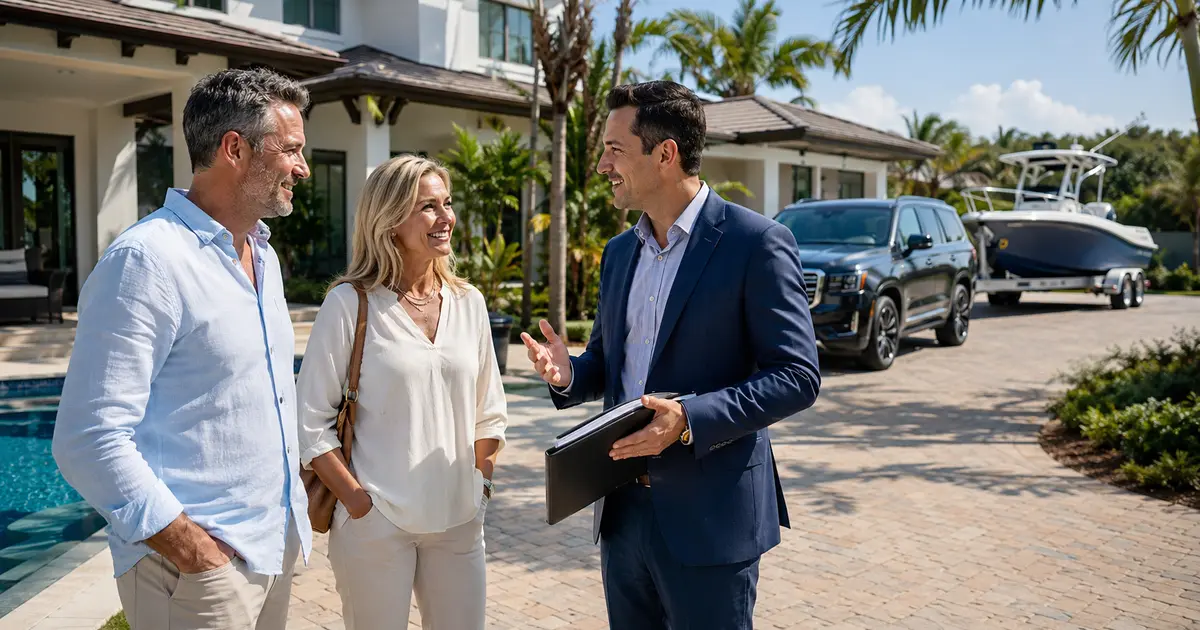
August is a natural time for Florida families to revisit liability coverage. School is starting, teen drivers are back on the road, pools are still busy, and hurricane season keeps homes full of visitors and last-minute plans. Most people have liability coverage through home and auto insurance, but a serious claim can grow past those limits faster than expected. That is where personal umbrella insurance comes in.
Seven everyday Florida risks—from teen drivers and pools to boats and rentals—that can push liability claims beyond standard home and auto limits.
Umbrella insurance tends to sound like something only very wealthy people need.
That’s not really the right way to think about it.
The better question is simple: Could one serious accident or lawsuit be larger than the liability limits on your home or auto policy?
For a lot of Florida households, the answer is yes.
August makes that especially easy to see. Back-to-school traffic picks up. Teen drivers are commuting again. Pools are still getting heavy use. Boats, golf carts and weekend trips are still part of the routine. Families may have guests in and out of the house while hurricane season moves toward its peak.
None of those things automatically mean you need an umbrella policy. But they do create more ways for a liability claim to become expensive.
Here are seven common situations worth reviewing.
1. You Have a Teen Driver
A new driver changes the household’s liability picture immediately.
Most accidents are manageable within ordinary auto limits. The concern is the serious one: multiple injuries, long-term medical care, lost income, or a lawsuit that pushes the claim well beyond the underlying auto policy.
That is one of the clearest reasons families look at Florida umbrella insurance.
Umbrella coverage is designed to sit above qualifying underlying liability policies. If a covered auto liability claim exhausts the required underlying limit, the umbrella may provide another layer of protection, subject to the policy terms and exclusions.
Get a Florida umbrella insurance quote
2. You Own a Pool
A pool is one of the best parts of living in Florida. It is also a real liability exposure.
A guest can slip on a wet deck. A child can be injured in or around the water. Someone can dive into a shallow area. Even when you take reasonable precautions, a serious injury can turn into a large claim.
Your homeowners policy usually includes personal liability coverage, but that limit is not unlimited.
If you have a pool, check three things:
- Your home liability limit
- Any pool-related exclusions or requirements
- Whether your umbrella carrier accepts the exposure
The point is not to be afraid of owning a pool. It is to understand what happens financially if the worst-case scenario occurs.
3. You Own a Boat or Golf Cart
Florida households often own more than one kind of vehicle.
A boat can create liability on the water. A golf cart can create liability in a neighborhood, resort community or local road setting. Depending on the policy and carrier, those exposures may need their own underlying insurance before an umbrella will extend over them.
That detail matters because umbrella insurance is not a substitute for the underlying policy. It usually requires you to carry specified liability limits on the policies beneath it.
If you own a boat, review your Florida boat insurance liability limit alongside the umbrella application.
4. You Own a Rental Property
Rental property adds another layer of liability risk.
A tenant or guest could be injured because of a property condition. A claim may involve allegations about maintenance, lighting, stairs, railings, pools, pets or other hazards. Even when a landlord believes the property was reasonably maintained, defending a lawsuit can still be expensive.
If you own one or more rental properties, make sure the umbrella policy actually includes them and that each property carries the required underlying liability coverage.
Do not assume every rental is automatically covered simply because you personally own it.
5. You Regularly Host Guests
Liability often comes from normal life, not unusual behavior.
Birthday parties. Family gatherings. Backyard barbecues. Kids having friends over. Contractors working around the house.
The more people who spend time on your property, the more opportunities there are for a serious injury claim.
Homeowners liability coverage is designed for many of these situations, subject to the policy. An umbrella gives you a higher ceiling when a covered claim becomes unusually large.
6. You Have Significant Savings, Investments or Future Income
Umbrella insurance is often described as “asset protection,” but that phrase can be too narrow.
Your current savings matter. So can investment accounts, real estate and other assets. But future income can matter too, depending on the circumstances and applicable law.
You do not need to be a millionaire before liability risk becomes meaningful.
A household with a strong income, growing retirement accounts, home equity and multiple vehicles may have plenty worth protecting even if it does not feel “wealthy.”
That is why the right umbrella limit is usually based on the full financial picture—not just one account balance.
7. Your Home and Auto Liability Limits Have Not Been Reviewed in Years
This is the quietest risk on the list.
People often update the value of a vehicle or the replacement cost of a home, but liability limits can sit unchanged for years.
Meanwhile, medical costs, legal expenses and large injury claims do not stay flat.
A recent 2026 analysis of U.S. liability verdicts found that verdict severity increased sharply after 2020 even after adjusting for differences in the types of cases being decided. That broader rise in liability costs is one reason households should not treat old limits as automatically sufficient.
Review your auto bodily injury limits and homeowners personal liability limit first. Then compare those limits with your household’s actual exposures.
What Does Umbrella Insurance Actually Cover?
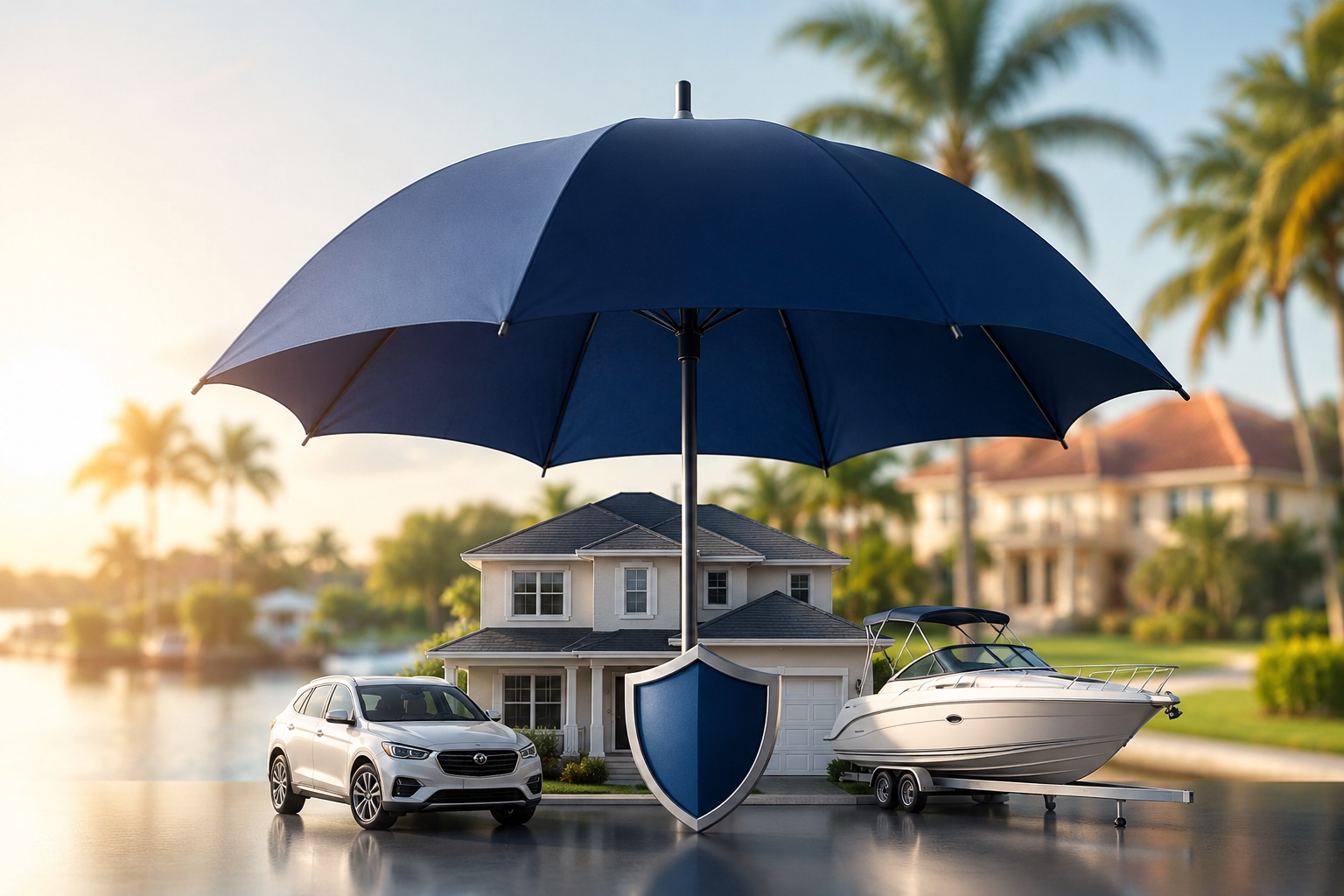
Personal umbrella insurance provides additional liability protection above qualifying underlying policies for covered claims.
Depending on the policy, it may apply to certain covered claims involving:
- Auto accidents
- Injuries on your property
- Rental properties
- Boats or recreational exposures
- Personal injury allegations such as libel or slander
Coverage varies by insurer. Exclusions, required underlying limits and eligible household exposures are especially important.
Umbrella insurance generally does not pay to repair your own home, replace your own car, or cover flood damage to your property. Those are different insurance problems.
How Home Insurance and Umbrella Insurance Work Together
Your Florida homeowners insurance policy typically includes a personal liability limit.
Imagine a covered liability claim is larger than that limit. The home policy responds first, up to its applicable limit. If the claim qualifies under the umbrella policy and the required underlying limits are satisfied, the umbrella may then provide additional coverage.
The same basic structure can apply to qualifying auto liability claims.
That is why an umbrella policy cannot be reviewed in isolation. The underlying home and auto policies need to be set up correctly too.
What Umbrella Insurance Does Not Replace
Umbrella coverage is powerful, but it is not a catch-all policy.
It does not replace:
- Homeowners insurance
- Auto insurance
- Flood insurance
- Boat insurance
- Landlord insurance
For example, if storm surge floods your house, your umbrella policy is not the policy that pays for the damaged flooring and walls. That is a flood-insurance issue.
If you live in Florida, it is worth reviewing flood insurance separately from your liability protection.
How Much Umbrella Insurance Do You Need?
There is no single number that works for everyone.
Start with the exposures:
- How many drivers are in the household?
- Do you have a teen driver?
- Do you own a pool, boat or golf cart?
- Do you own rental property?
- How much home equity, savings and investments do you have?
- What are your current home and auto liability limits?
Then compare available umbrella limits and underlying-policy requirements.
For some households, $1 million may be the starting point. Others may want several million dollars of liability protection. The appropriate amount depends on the household, insurer and risk profile.
Is Umbrella Insurance Expensive?
Pricing varies based on the number of homes, vehicles, drivers, rentals, boats and other exposures attached to the policy.
Umbrella insurance is often relatively inexpensive compared with the amount of liability coverage it can provide, but a quote is the only reliable way to know the actual cost for your household.
Also remember that adding an umbrella can require higher underlying home or auto liability limits. That can change the total cost of the insurance program.
A Quick Umbrella Insurance Check for Florida Families
If any of these apply to you, an umbrella review is worth considering:
- You have a teen driver
- You own a pool
- You own a boat or golf cart
- You own rental property
- You have a dog or frequently host guests
- You have meaningful savings, investments or home equity
- Your liability limits have not been reviewed recently
You may decide your existing limits are enough. That is still a useful outcome.
The goal is not to automatically buy more insurance. It is to know where your current protection ends.
The Bottom Line
Most people buy insurance for the things they own. Umbrella insurance is really about protecting the financial life built around those things.
A serious accident can happen to an ordinary family on an ordinary day. When it does, the size of the liability limit matters a lot more than it did the day before.
If you want to see whether an umbrella policy makes sense for your household, Worth Insurance can review your home and auto liability limits, compare available umbrella options and help you understand the gaps before they become a claim.
Compare Florida umbrella insurance options
Frequently Asked Questions
Who needs umbrella insurance in Florida?
Households with higher liability exposures—such as teen drivers, pools, boats, rental properties or significant assets—often have the strongest reason to review umbrella insurance. It can also make sense for households that simply want liability limits above what their home and auto policies provide.
Does umbrella insurance cover a teen driver?
It may provide additional liability coverage for a qualifying covered auto claim involving a household driver, subject to the umbrella policy, underlying auto coverage and required limits.
Does umbrella insurance cover swimming pool accidents?
It may provide additional liability protection for a qualifying covered claim after the applicable homeowners liability limit is exhausted. Carrier underwriting rules and exclusions can vary.
Does umbrella insurance cover rental properties?
Some personal umbrella policies can include eligible rental properties, but they generally need to be disclosed and carry required underlying liability coverage. Do not assume every rental is automatically included.
Does umbrella insurance cover flood damage?
No. Personal umbrella insurance is liability coverage. Damage to your own property from flooding is generally handled through a separate flood insurance policy.
How much umbrella insurance should I buy?
The right limit depends on your assets, income, drivers, properties and other exposures. A licensed insurance professional can help compare available limits with the risks in your household.
Coverage, eligibility, limits, exclusions and required underlying insurance vary by insurer and policy. This article is general educational information and does not alter any insurance contract.

Get a
Florida Home Insurance
Quote
If you’re a homeowner in Florida, having the right insurance coverage is essential to protect your investment from hurricanes, floods, and other unexpected events. Learn more about the different coverage options, policy requirements, and ways to save by visiting our detailed guide to Florida Umbrella insurance.





To see how Worth can reduce your risk.
Get a Free Quote


