Do I Need Umbrella Insurance in Florida in 2026?

If you're asking: “Do I need umbrella insurance in Florida?”, the short answer is yes if your liability exposure could exceed what your home, auto, or watercraft policy pays out; think a serious car accident, a pool injury, or a dog bite lawsuit. Florida only requires $10,000 in personal injury protection (PIP) and $10,000 in property damage liability for drivers, a gap that leaves most households exposed to six-figure judgments homeowners and auto policies were never built to absorb alone.
In this guide, we break down who actually needs umbrella coverage in Florida, what it costs, what it covers, and how much protection fits your household.
Key Takeaways
- You likely need umbrella insurance in Florida if you own a pool, rent out property, own a boat, or have teen drivers.
- Umbrella insurance only covers liability. It doesn't repair your home, car, or belongings.
- Most policies start at $1 million and require minimum liability limits on your underlying home and auto policies.
- Comparing umbrella insurance quotes from multiple carriers is the most reliable way to find a limit that fits your risk.
What Is Umbrella Insurance?
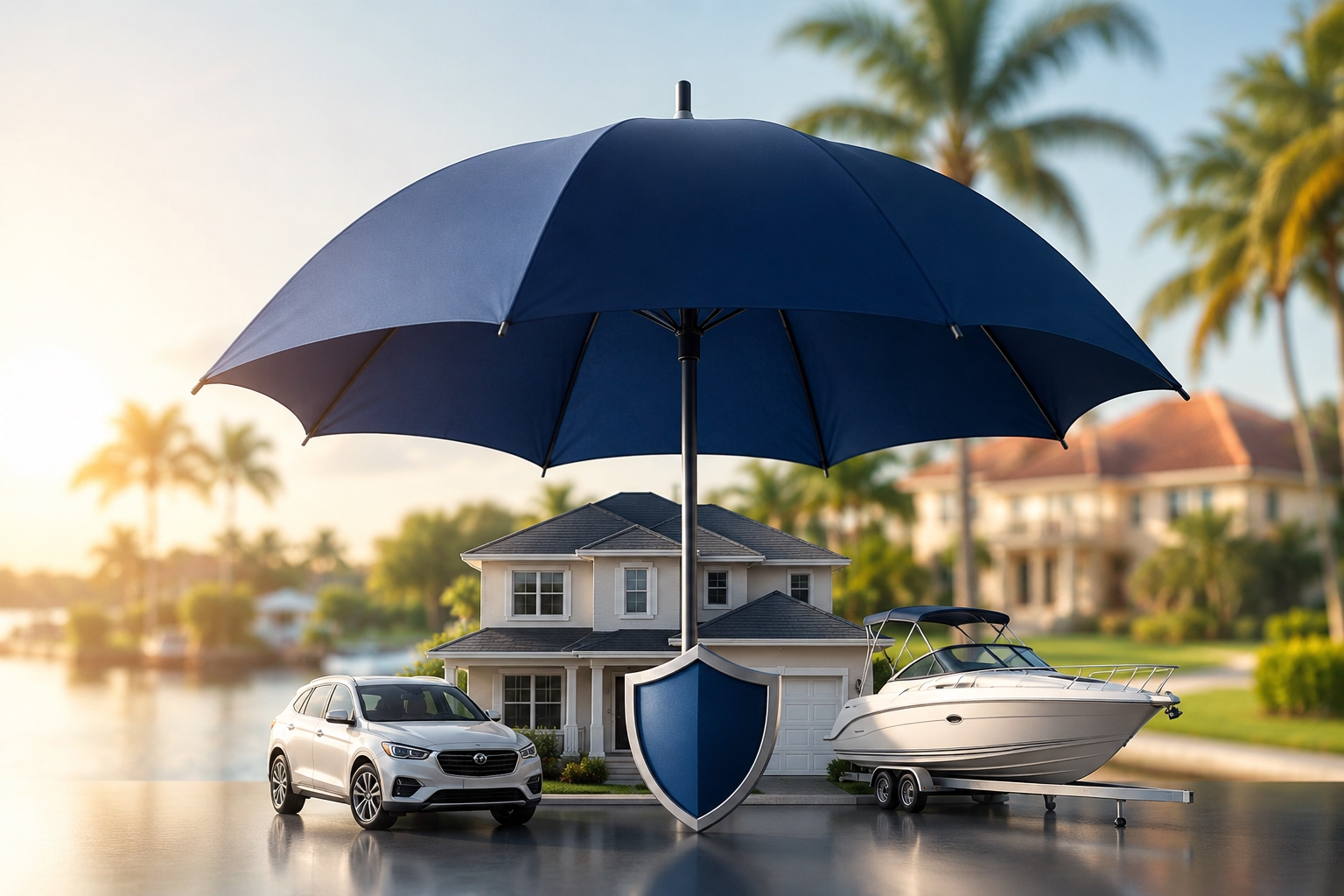
Umbrella insurance is a personal liability policy that adds a layer of protection once your home, auto, or watercraft policy limit runs out. It doesn't pay to repair your car or rebuild your house. It only responds to liability claims, such as a lawsuit after a guest is hurt on your property or a crash you caused that costs more than your auto policy covers.
Once your underlying policy's liability limit is exhausted, umbrella insurance picks up covered claims up to its own limit, subject to the policy's terms. Most personal umbrella insurance in Florida starts at $1 million and stacks on top of your existing home, auto, landlord, and boat coverage rather than replacing any of it.
Umbrella Insurance vs. Homeowners Insurance in Florida
Homeowners insurance and umbrella insurance in Florida both include liability protection, but they work at different layers. Your homeowners policy is the first line of defense, covering your dwelling, belongings, and a set liability limit. On the other hand, umbrella insurance only activates once that liability limit is used up, adding another layer without touching property damage at all.
Do I Need Umbrella Insurance in Florida?
Needing umbrella insurance in Florida comes down to your liability exposure, not your net worth. If a lawsuit or claim could realistically exceed your home or auto policy's liability limit, an umbrella policy protects your savings, home equity, and future wages from a judgment that outpaces your existing coverage.
Florida's auto minimums make this gap wider than in many states. Drivers only need $10,000 in PIP and $10,000 in property damage liability to legally register a vehicle. Bodily injury liability isn't required for most private drivers, so a serious at-fault accident can quickly exceed whatever liability limit you did choose.
That said, here’s a quick breakdown of situations that raise your exposure well above the state minimum:
However, not every household needs umbrella coverage right away. If you rent, carry no other major assets, don't drive, and rarely host guests, your existing renters or auto liability limit may already match your exposure.
What Does Umbrella Insurance Cover in Florida?
Umbrella insurance in Florida covers liability claims that exceed your underlying home, auto, landlord, or watercraft policy limits, plus a few liability risks those policies typically exclude, such as libel or slander.
Picture a homeowner whose pool party ends with a guest seriously injured. If the resulting lawsuit costs more than the homeowners policy's liability limit, the umbrella policy can cover the remaining judgment and associated legal defense costs, up to its own limit and subject to its terms. The same logic applies to a serious car accident, a dog bite, or a lawsuit tied to a rental property you own.
Also, umbrella coverage travels with you. Most personal umbrella insurance in Florida protects you and household residents worldwide, not just at your primary address, which matters if a liability claim comes up while you're traveling or staying at a second property.
What Doesn't Umbrella Insurance Cover in Florida?
Umbrella insurance in Florida doesn't cover damage to things you own, and it excludes claims tied to intentional or criminal acts. It sits on top of your liability coverage only, so property damage to your own home, car, or boat still falls to those individual policies.
Common umbrella insurance exclusions include:
- Damage to your own home, vehicle, or personal property, even if a liability claim is involved.
- Business-related liability, which typically falls under a general liability policy instead of a personal umbrella policy.
- Intentional acts or criminal conduct, along with punitive damages tied to willful misconduct such as driving under the influence.
- Contractual liability you agreed to take on outside a covered policy.
Also, if you run a business, hold rental property through an LLC or other legal structure, or operate a short-term rental, don't assume your personal umbrella policy follows that activity.
Standard homeowners and personal umbrella policies typically exclude losses tied to commercial activity, and most insurance carriers treat short-term rentals as commercial use, according to the Insurance Information Institute. Operating without updated coverage can mean a denied claim, reduced liability protection, or a canceled policy right when you need it most.
If any of this applies to you, ask your agent whether you need a landlord policy, a business insurance policy, or a short-term rental endorsement layered underneath your umbrella instead of relying on your personal policy alone.
Who Should Have an Umbrella Insurance Policy in Florida?
Anyone whose liability exposure outpaces their current policy limits should consider umbrella coverage. Deciding who should have an umbrella insurance policy in Florida usually comes down to a mix of assets, household risk factors, and how often those risk factors show up in daily life.
For instance, a young family with a modest home but a teen driver can face the same liability exposure as a retiree with paid-off property and a boat docked out back. The common thread is a realistic chance that a covered claim could exceed what your home, auto, landlord, or watercraft policy already pays.
That said, let’s examine the households that tend to run into this gap most often.
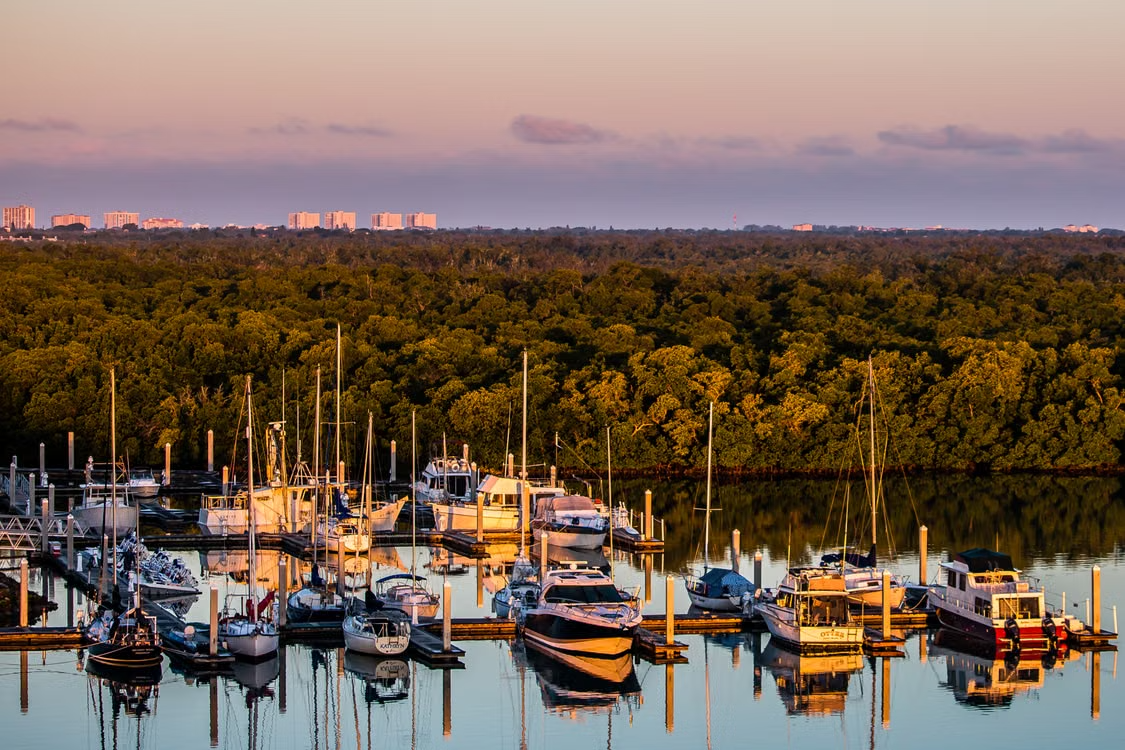
High-Income Households
Higher earners and higher net worth households make bigger targets in a lawsuit, since plaintiffs and attorneys often pursue whatever assets and future income are available.
Worth Insurance's private client coverage pairs high-limit umbrella protection with the rest of a high-value household's policies.
Families with Teen Drivers
Teen drivers have less experience and file more claims per mile driven than adults. One serious at-fault accident involving a teen can push a claim well past a standard auto liability limit, which is where umbrella coverage steps in.
Florida Homeowners with Swimming Pools
Pools are one of the most common sources of severe guest-injury lawsuits, and Florida's outdoor lifestyle means many homes have one. A single drowning or injury claim can exceed a homeowners policy's liability limit fast.
Boat and Watercraft Owners
Boat accidents tend to involve higher-severity injuries than typical auto claims, and Florida has no shortage of waterways. Umbrella coverage can extend above a qualifying boat insurance policy's liability limit.
Landlords and Rental-Property Owners
Tenants, their guests, and even trespassers can sue over injuries at a rental property. Landlord insurance covers a base liability limit, but umbrella insurance adds protection for the properties and rentals that carry the most foot traffic.
People Who Frequently Host Guests
Frequent parties, holiday gatherings, or a home that doubles as the neighborhood hangout all add up to more liability exposure. More guests on the property means more chances for an injury claim that exceeds your homeowners policy's limit.
How Much Does Umbrella Insurance Cost in Florida?
The average cost of umbrella insurance in Florida isn't a flat statewide rate; it depends on your requested limit, household drivers, homes, rentals, watercraft, and claims history. Many households find that a $1 million umbrella policy adds a modest amount to their overall insurance spend relative to the added liability protection, though your specific insurance premium depends on your risk profile and carrier.
There's no single best umbrella insurance in Florida for every household, since carriers set different underlying-policy requirements and rates, which is why a side-by-side comparison matters more than chasing one “top” provider.
Here are seven factors that shape your umbrella insurance cost:
- Requested umbrella limit, typically starting at $1 million and rising in $1 million increments.
- Number of household drivers, including teens, and any vehicles, RVs, or golf carts on the policy.
- Homes and rental properties you own.
- Boats or other watercraft.
- Pools, trampolines, and other attractive nuisances.
- Prior liability claims or lawsuits.
- The liability limits already carried on your underlying policies.
Because pricing swings so much by household, comparing quotes is the only reliable way to see what you'd pay.
How Much Umbrella Insurance Do I Need in Florida?

The right umbrella limit matches your realistic liability exposure, not a guess. Rather than picking a round number, walk through these four steps:
- Add up what you want to protect. Start with your savings, home equity, retirement accounts, and future earning potential. These are the assets and income a large judgment could reach once your underlying policy limit is exhausted.
- Review existing liability limits. Check the liability limits on your current home, auto, landlord, and watercraft policies. Most umbrella carriers require underlying limits around $300,000 on a homeowners policy and $250,000 on an auto policy before offering $1 million in umbrella coverage, the same convention noted earlier, though exact minimums vary by carrier.
- Identify additional risk. Factor in teen drivers, pools, rental properties, boats, dogs, and how often you host guests. Each one raises the odds of a claim that could exceed your current coverage.
- Choose a reasonable umbrella limit. Many households start at $1 million and add more in $1 million increments as assets, income, or risk factors grow. A licensed agent can help match the limit to your actual exposure instead of picking a number at random.
Final Thoughts
Whether you need umbrella insurance in Florida comes down to a simple question: could a lawsuit or accident cost more than your current home, auto, or watercraft liability limit covers? For households with a pool, rental property, boat, teen driver, or meaningful savings, the answer is usually yes.
Umbrella coverage is one of the more affordable ways to protect what you've built. Worth Insurance makes it easy to compare umbrella insurance in Florida from multiple carriers, so you can see real options side by side and choose a limit that fits your household. Get a free umbrella insurance quote to see how it fits your existing coverage.
Do I Need Umbrella Insurance in Florida FAQs
#1. Is umbrella insurance required in Florida?
No, umbrella insurance isn't required in Florida. It's optional coverage that adds protection above your home, auto, or watercraft liability limits, which is worth considering if your assets, income, or risk factors have grown beyond what those policies cover alone.
#2. Can I get umbrella insurance without owning a home?
Yes, renters and drivers can qualify for umbrella insurance without owning a home, as long as they carry an underlying auto, renters, or watercraft policy that meets the carrier's minimum liability limits. A licensed agent can confirm which policies qualify.
#3. Does umbrella insurance cover business or rental activities?
Personal umbrella insurance generally doesn't cover liability from a business you run; that typically falls under a general liability or professional liability policy instead. Coverage for a rental property you own personally often qualifies, but confirm details with your carrier.
#4. Who offers umbrella insurance in Florida?
Several national and regional carriers offer umbrella insurance in Florida, but availability and requirements vary by provider. Worth Insurance compares personal umbrella quotes from multiple carriers, so you can see real options side by side instead of researching each company separately.

Get a
Florida Home Insurance
Quote
If you’re a homeowner in Florida, having the right insurance coverage is essential to protect your investment from hurricanes, floods, and other unexpected events. Learn more about the different coverage options, policy requirements, and ways to save by visiting our detailed guide to Florida Umbrella insurance.




To see how Worth can reduce your risk.
Get a Free Quote


