Cape Coral Home Insurance: Waterfront Property Protection
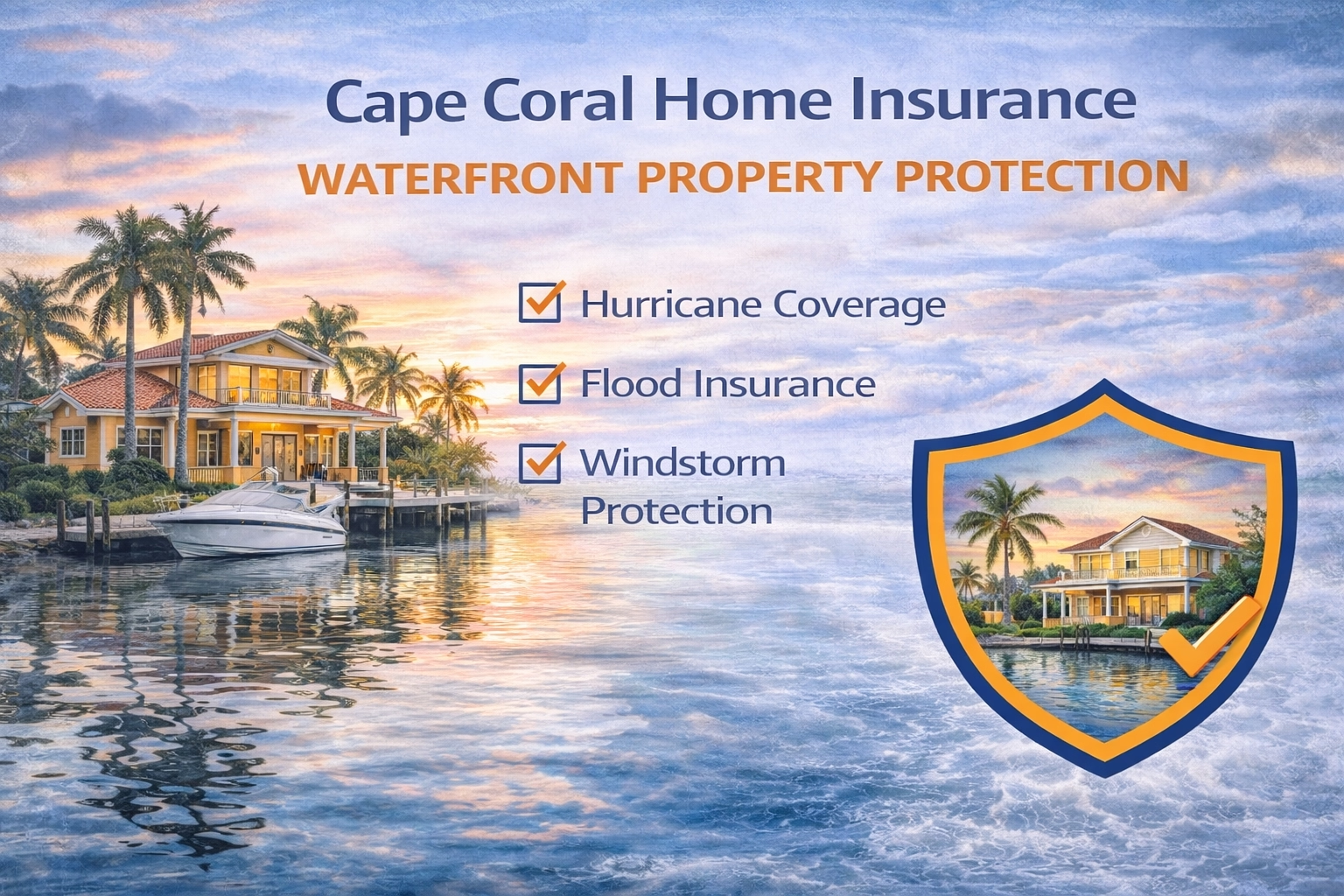
Cape Coral home insurance presents unique challenges because of the city's distinctive geography. With over 400 miles of navigable canals, Cape Coral has more waterfront property than almost any city in the world.
This canal system creates beautiful living but also significant insurance complications, as nearly every property in Cape Coral faces some degree of water exposure that standard inland properties don't encounter.
Hurricane Ian's devastating 2022 landfall in Lee County fundamentally changed Cape Coral's insurance landscape. The storm caused catastrophic damage throughout the city, resulting in billions of dollars in claims and prompting many insurance carriers to exit the Southwest Florida market entirely. Cape Coral homeowners now face limited options, higher premiums, and stricter underwriting requirements than before the storm.
Cape Coral's Post-Ian Insurance Reality
Hurricane Ian made landfall near Cayo Costa on September 28, 2022, as a high-end Category 4 hurricane with sustained winds of 150 mph. Cape Coral, located just north of the landfall point, experienced extreme wind damage and significant flooding that affected thousands of homes.
According to the Florida Office of Insurance Regulation, Hurricane Ian generated over 800,000 insurance claims statewide with estimated insured losses exceeding $50 billion. Lee County, where Cape Coral is located, bore a disproportionate share of this damage, fundamentally altering how insurance companies view risk in the area.
The aftermath has reshaped Cape Coral's insurance market in several significant ways. Many carriers that previously wrote policies in Lee County have stopped accepting new applications or have exited Florida entirely. Those remaining have substantially increased rates and tightened underwriting standards. Properties with hurricane damage claims from Ian face particular challenges finding coverage.
This new reality requires Cape Coral homeowners to approach insurance differently than before. Shopping early, working with experienced professionals, and understanding the limited options available helps secure necessary coverage despite the challenging conditions.
Insurance Companies Serving Cape Coral
The number of insurance companies willing to write homeowners policies in Cape Coral has decreased dramatically since Hurricane Ian. Knowing which carriers remain active helps focus your search productively.
Citizens Property Insurance Corporation has become the dominant insurer in Cape Coral by necessity. As Florida's insurer of last resort, Citizens provides coverage when private companies won't. Their market share in Lee County has grown substantially since Ian, and many homeowners who previously had private coverage now find themselves with Citizens policies.
Tower Hill Insurance continues operating in Lee County despite the challenging conditions. Their Florida focus means they understand local risks and have experience with the post-Ian claims environment.
Heritage Property & Casualty and Universal Property & Casualty also write some policies in Cape Coral, though both have tightened underwriting significantly. Availability depends on specific property characteristics, claims history, and location within the city.
American Integrity Insurance and Federated National serve some Cape Coral homeowners, with availability varying based on individual property evaluation.
For properties with recent hurricane claims or other challenging characteristics, surplus lines carriers may provide options when standard markets decline. These policies typically cost more but ensure coverage availability.
State Farm and Allstate have dramatically reduced their Lee County presence. While they may write selective coverage for newer homes without claims history, their appetite for Cape Coral properties has diminished substantially.
Working with agents who know which carriers are currently accepting applications in Cape Coral saves considerable time and frustration in a market where options are genuinely limited.
Waterfront and Canal Property Insurance
Cape Coral's extensive canal system means most properties have some waterfront exposure. This creates insurance considerations that don't exist in typical inland communities.
Canal-front properties face higher insurance costs than non-waterfront homes due to increased flood exposure and proximity to water. Even properties on non-navigable canals or small waterways face some additional risk that insurers account for in pricing.
Gulf-access canal properties generally cost more to insure than freshwater canal properties. Direct access to the Gulf of Mexico means easier boat access but also greater exposure to storm surge and saltwater flooding.
Seawall condition affects insurance on waterfront properties. Deteriorating seawalls can lead to property damage and claims, making seawall maintenance important for both protection and insurability. Some insurers require seawall inspections before writing coverage.
Dock and boat lift coverage requires attention for waterfront homeowners. Standard homeowners policies provide limited coverage for these structures, and you may need additional coverage or endorsements for adequate protection.
If you keep a boat at your Cape Coral property, separate boat insurance is necessary. Homeowners policies don't cover boats adequately, and watercraft present their own liability and damage risks. Learn about Florida boat insurance options for proper coverage.
Flood insurance is essential for virtually all Cape Coral waterfront properties. The canal system creates flood exposure throughout the city that standard homeowners insurance doesn't cover.
Hurricane Coverage Requirements
Hurricane coverage is critically important for Cape Coral homeowners given the city's demonstrated vulnerability to major storms.
Wind coverage comes standard in Florida homeowners policies, but hurricane deductibles apply specifically to hurricane damage claims. In Cape Coral, these deductibles are typically percentage-based, ranging from 2% to 5% or higher of your dwelling coverage amount.
On a $400,000 home, a 2% hurricane deductible means $8,000 out of pocket before insurance coverage begins. Given Cape Coral's hurricane exposure, maintaining savings to cover potential deductibles is important financial planning.
Storm surge coverage requires separate flood insurance. Hurricane Ian demonstrated the devastating surge potential for Cape Coral, with some areas experiencing surge flooding well inland from the coast. Your homeowners policy doesn't cover this damage regardless of what caused the flooding.
Building code upgrade coverage is particularly important in Cape Coral. If your home sustains major damage, rebuilding to current Florida codes may cost substantially more than simply repairing what was damaged. Ensure your policy includes adequate coverage for mandatory code upgrades.
Named storm deductibles may differ from hurricane deductibles in some policies. Review your policy language carefully to understand exactly what triggers each deductible type and how they apply to different storm scenarios.
Loss of use coverage pays for temporary housing if hurricane damage makes your home uninhabitable. Cape Coral's rental market was extremely tight after Ian, and finding temporary housing proved difficult and expensive for displaced residents. Adequate loss of use coverage provides crucial financial protection.
Flood Insurance for Cape Coral Properties
Flood insurance deserves special attention in Cape Coral because of the city's canal system and demonstrated flood vulnerability.
Standard homeowners insurance does not cover flood damage of any kind. This includes storm surge, canal overflow, heavy rainfall flooding, and drainage backup. Separate flood insurance is required for this protection.
Most Cape Coral properties with mortgages in high-risk flood zones require flood insurance. But even properties in moderate-risk zones experienced significant flooding during Hurricane Ian, demonstrating that flood zone designations don't guarantee safety.
The National Flood Insurance Program provides coverage up to $250,000 for dwellings and $100,000 for contents. Many Cape Coral homes exceed these limits, particularly waterfront properties, requiring private flood insurance for adequate protection.
Private flood insurance has become more available and may offer higher limits, better rates, or improved terms compared to NFIP for some properties. Comparing options is worthwhile, especially for properties needing coverage beyond NFIP limits.
Elevation matters significantly for flood insurance pricing. Properties elevated above base flood elevation may qualify for lower rates. Elevation certificates documenting your property's height can help reduce premiums.
Flood insurance has a 30-day waiting period before coverage takes effect. Purchase coverage well before hurricane season rather than waiting until storms threaten.
For comprehensive flood protection information, see Florida flood insurance resources.
Cape Coral Home Insurance Rates and Cost Factors
Multiple factors determine your Cape Coral home insurance premium, with location and claims history playing particularly important roles in the post-Ian market.
Hurricane Ian claims history significantly affects current insurance options. Properties with recent hurricane claims face higher rates, coverage restrictions, or difficulty finding coverage altogether. If your home sustained Ian damage, expect more challenging insurance shopping.
Location within Cape Coral affects rates meaningfully. Gulf-access canal properties typically cost more to insure than freshwater canal homes, which cost more than non-waterfront properties. Properties in higher flood zones face additional costs.
Your home's age influences premiums considerably. Cape Coral has homes ranging from 1970s construction to brand new developments. Newer homes built to current codes typically qualify for better rates than older construction.
Roof condition and age remain critical factors. Many insurers won't write policies for homes with roofs over 15 years old, and post-Ian inspections have become more thorough. If your roof sustained any Ian damage, proper repair documentation is essential.
Construction type affects rates, with concrete block construction generally earning better rates than wood frame. Cape Coral's housing stock includes both construction types.
Wind mitigation features provide meaningful discounts. Impact windows, hurricane shutters, reinforced garage doors, and roof upgrades demonstrate reduced risk and earn premium reductions.
Coverage limits directly affect premiums. Cape Coral's range of property values means coverage needs vary widely. Ensure you're insuring for actual replacement cost, which has increased substantially due to post-Ian construction cost inflation.
Dealing with Post-Hurricane Claims History
Many Cape Coral homeowners filed insurance claims after Hurricane Ian, which creates ongoing insurance challenges that require strategic management.
Claims history follows your property for several years. Even if you've repaired all Ian damage, the claims record affects your insurance options and rates. Different carriers weight claims history differently, making shopping among multiple companies important.
Proper documentation of repairs helps with future insurance applications. Keep records showing all Ian damage was properly repaired to current standards. Photos, contractor invoices, and permit documentation all support your insurability.
Roof inspections have become more thorough post-Ian. Even if your roof didn't require full replacement, insurers want confirmation of current condition. Getting a clean inspection report before shopping for insurance strengthens your application.
Some insurers specialize in properties with recent claims history. While rates may be higher, these carriers provide necessary coverage when standard markets decline applications based on claims history.
Consider working with agents experienced in placing coverage for properties with hurricane claims. Their knowledge of which carriers accept what claims history saves time and improves outcomes.
Time helps reduce claims impact. As years pass without new claims, the impact of Ian claims on your rates and options should gradually diminish. Maintaining claims-free history going forward protects your future insurability.
New Construction in Cape Coral
Cape Coral continues developing with new construction that enjoys significant insurance advantages over older homes with hurricane damage history.
New homes built to current Florida building codes incorporate wind-resistant design features that older construction lacks. Hurricane straps, impact-resistant materials, and improved construction techniques all reduce storm damage risk.
New construction has no claims history, which provides significant advantages in Cape Coral's post-Ian market. Insurers prefer properties without recent hurricane claims, making new homes easier to insure.
Modern elevation standards for new construction in flood-prone areas help with both flood insurance costs and actual flood protection. New homes may be elevated higher than older properties built to previous standards.
Builder warranties provide protection during initial years of ownership. While separate from insurance, these warranties reduce likelihood of claims during the warranty period.
New developments in Cape Coral often include drainage improvements and modern infrastructure that reduce flood risk compared to older areas of the city.
If you're considering purchasing in Cape Coral, new construction offers meaningful insurance advantages that partially offset higher purchase prices. The ability to obtain coverage more easily and at better rates represents real financial value.
Tips for Cape Coral Homeowners to Manage Insurance
Cape Coral's challenging insurance market requires strategic approaches to find and maintain coverage.
Start shopping early before your current policy expires. Cape Coral's limited carrier options mean finding coverage can take time. Begin your search 60 to 90 days before renewal rather than waiting until the last minute.
Work with agents who know the Cape Coral market. Local expertise is particularly valuable in challenging markets where knowing which carriers accept which property types makes the difference between finding coverage and struggling.
Invest in wind mitigation improvements. Impact windows, hurricane shutters, and roof upgrades earn meaningful premium discounts. Given Cape Coral's high base rates, these percentage savings translate to substantial dollars.
Maintain your property proactively, especially the roof. Don't wait until roof age creates insurance problems. A new roof meeting current Florida codes improves both protection and insurance options.
Consider higher deductibles carefully. Increasing deductibles lowers premiums, but ensure you can afford the out-of-pocket cost given Cape Coral's hurricane exposure. Maintain savings specifically designated for potential deductible payments.
Document your property thoroughly. Maintain detailed photos and records of your home's condition, improvements, and repairs. This documentation supports insurance applications and claims if needed.
Bundle policies when possible. Combining home and auto insurance typically saves 10% to 25%. In a market where every dollar counts, bundling provides meaningful relief.
Review coverage annually. Your needs change over time, and the market evolves. What worked last year may not be optimal this year. Regular reviews ensure appropriate coverage without overpaying.
Working with Cape Coral Insurance Professionals
Given Cape Coral's challenging market conditions, professional guidance provides substantial value.
Independent agents representing multiple carriers can compare options across available companies. They know which insurers are accepting applications for different property types and what characteristics each carrier prefers.
Agents familiar with Lee County understand the post-Ian market dynamics, claims environment, and carrier appetites that affect coverage availability. This local expertise is essential for navigating limited options effectively.
For properties with hurricane claims history, older construction, or challenging characteristics, agents with access to surplus lines and specialty markets may find coverage that standard approaches don't reveal.
Worth Insurance understands Cape Coral's unique challenges and helps homeowners find coverage despite the difficult market conditions. Professional guidance is particularly valuable when options are limited and decisions have significant financial implications.
For comparison with other Southwest Florida markets, see how Naples and Sarasota face similar post-Ian challenges, or contrast with markets like Port St. Lucie that experienced less storm impact.
Frequently Asked Questions About Cape Coral Home Insurance
Why is Cape Coral home insurance so expensive now?
Hurricane Ian's September 2022 landfall devastated Cape Coral, generating massive insurance claims that fundamentally changed the local insurance market. According to the Florida Office of Insurance Regulation, Ian caused over $50 billion in insured losses statewide, with Lee County bearing disproportionate damage. Many carriers have exited the market or dramatically increased rates, while those remaining have tightened underwriting. The city's extensive canal system also creates waterfront exposure that adds to insurance costs.
What insurance companies still write policies in Cape Coral?
Citizens Property Insurance Corporation has become the dominant insurer in Cape Coral as the state's insurer of last resort. Tower Hill Insurance, Heritage Property & Casualty, Universal Property & Casualty, American Integrity Insurance, and Federated National also write some policies. State Farm and Allstate have significantly reduced their Lee County presence. Surplus lines carriers may provide options for challenging properties. Working with experienced agents helps identify which carriers are currently accepting applications.
Do I need flood insurance in Cape Coral?
Yes, flood insurance is essential for virtually all Cape Coral properties. The city's extensive canal system creates flood exposure throughout the area, and Hurricane Ian demonstrated that flooding can occur well beyond designated high-risk zones. Standard homeowners insurance doesn't cover flood damage, including storm surge. If you have a mortgage on property in a high-risk flood zone, flood coverage is required. Even without requirements, going without flood insurance in Cape Coral is extremely risky.
How does Hurricane Ian claims history affect my insurance options?
Properties with Ian claims face higher rates, coverage restrictions, or difficulty finding coverage. Claims history follows your property for several years, affecting applications even after repairs are complete. Different carriers weight claims history differently, making shopping among multiple companies important. Proper documentation of repairs helps demonstrate your property's current condition. Some insurers specialize in properties with recent claims, though rates are typically higher.
What's the difference between insuring a Gulf-access canal home versus other Cape Coral properties?
Gulf-access canal properties generally cost more to insure than freshwater canal homes or non-waterfront properties. Direct Gulf access creates greater exposure to storm surge and saltwater flooding. Seawall condition, dock coverage, and boat lift protection all require attention for Gulf-access properties. Flood insurance is particularly critical for these homes. Non-waterfront Cape Coral properties still face insurance challenges but typically have more options and lower rates than waterfront homes.
How do hurricane deductibles work in Cape Coral?
Hurricane deductibles in Cape Coral are typically percentage-based, ranging from 2% to 5% or higher of your dwelling coverage amount. On a $400,000 home, a 2% hurricane deductible means $8,000 out of pocket before insurance coverage begins. These deductibles are triggered by National Weather Service hurricane declarations or wind speed thresholds in your policy. Given Cape Coral's hurricane exposure, maintaining savings to cover potential deductibles is essential financial planning.
Is storm surge covered by my Cape Coral homeowners insurance?
No, storm surge is classified as flood damage and requires separate flood insurance. Hurricane Ian demonstrated devastating surge potential throughout Cape Coral, with flooding occurring well inland. Your homeowners policy covers wind damage but not water entering from flooding or surge. You need National Flood Insurance Program coverage or private flood insurance for storm surge protection. This is critically important for Cape Coral's waterfront properties.
How can I find insurance after filing an Ian claim?
Start shopping early with agents experienced in the Cape Coral market who know which carriers accept properties with claims history. Document all repairs thoroughly with photos, invoices, and permits. Get a current roof inspection to demonstrate your property's condition. Consider surplus lines carriers if standard markets decline your application. Expect higher rates than before the claim, but coverage remains available for most properties through persistent searching.

Get a
Florida Home Insurance
Quote
To see how Worth can reduce your risk.
Get a Free Quote


