
3 Florida Insurance Gaps to Check This August: Home, Flood & Umbrella
August is a good time for Florida families to look at three coverage gaps that are easy to miss: what your home policy actually covers, where flood insurance begins, and whether your liability limits are high enough for the risks around your household.
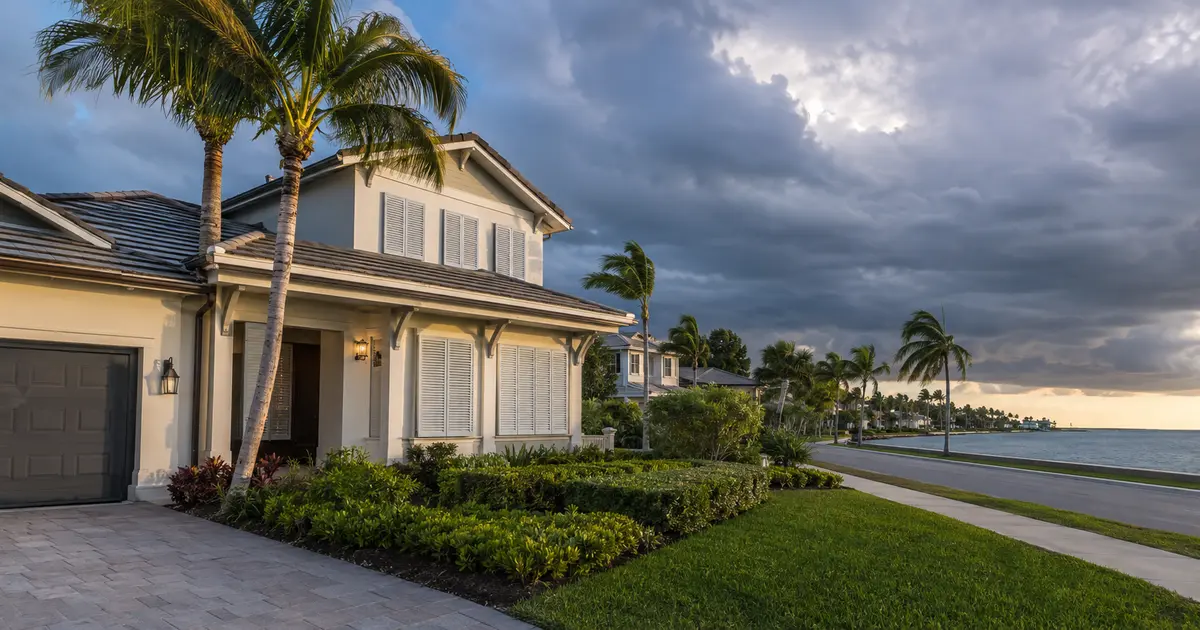

August has a way of making Florida feel busy all at once. Hurricane season is moving into its most active stretch. School schedules are starting back up. Teen drivers are on the road more often. Pools are still getting plenty of use. Boats, golf carts and weekend trips are still part of the routine.
That combination makes this a surprisingly useful time to review your insurance.
Not because you need to buy every policy available. You don’t. The point is to make sure the policies you already have line up with the risks you actually have.
For many Florida households, the biggest blind spots sit between three types of coverage: home insurance, flood insurance, and umbrella insurance.
They do different jobs. And when people assume one policy will pick up where another leaves off, that’s usually where the expensive surprises begin.
Why August Is a Smart Time to Review Coverage
NOAA expects most Atlantic hurricane activity to occur during August, September and October, the traditional peak of the season. A seasonal forecast can’t tell us whether a specific Florida city will be hit, but it does tell us that the next few months are the period when storm risk deserves more attention.
There’s another reason August matters: everyday liability risk tends to change with the household schedule. Kids go back to school. Teen drivers spend more time commuting. Friends come over. Pools stay open. Homes may still be hosting guests and family before summer winds down.
Those risks have nothing to do with hurricane wind or floodwater, but they can still create large claims.
So instead of asking, “Do I have insurance?” it helps to ask a better question:
If something expensive happened tomorrow, which policy would actually respond?
Gap #1: Assuming Home Insurance Covers Every Kind of Storm Damage
Homeowners insurance is the foundation of most household coverage, but it isn’t an all-purpose storm policy.
A typical Florida home policy may include protection for the structure, personal belongings, liability and temporary living expenses after certain covered losses. Wind coverage may be included depending on the policy. The hurricane deductible may be different from the deductible you would pay after a fire or theft claim.
Where homeowners often get tripped up is water.
Water damage from a burst pipe inside the house is one thing. Rising water from outside the home is another.
If heavy rain overwhelms drainage, a canal rises, storm surge pushes inland, or water enters the home from ground level, that loss is generally treated as flooding. Standard homeowners insurance usually does not cover it.
That distinction is easy to ignore when the weather is quiet. It becomes much more important when a tropical system is on the map.
What to check on your home policy
- Your current dwelling limit
- Your hurricane or windstorm deductible
- Whether wind coverage is included
- How the roof would be settled after a covered claim
- Your loss-of-use or additional living expense limit
- Your personal liability limit
If you haven’t reviewed those numbers recently, this is a good time to compare your current policy with other available Florida home insurance options.
Compare Florida home insurance quotes
Gap #2: Thinking “I’m Not in a Flood Zone” Means “I Don’t Need Flood Insurance”
This is probably the most common flood-insurance misunderstanding in Florida.
Every property has some degree of flood risk. Flood maps are useful, especially for mortgage and planning purposes, but they are not a guarantee that water will stay out of a home.
Heavy rainfall can overwhelm local drainage. Streets can fill up faster than expected. Water can move from retention areas, canals and nearby low spots. Tropical systems can create flooding well beyond the places people picture when they hear the words “high-risk flood zone.”
And because standard home insurance generally excludes flood, there may be no backup if you decided not to carry separate flood coverage.
What flood insurance can add
Depending on the policy, flood insurance can provide coverage for the building, contents or both. The National Flood Insurance Program and private flood insurers can have different limits, deductibles, waiting periods and underwriting rules.
The right choice depends on the property and the household. A waterfront home may need something different from an inland home. A homeowner with a finished first floor may care about different limits than someone with minimal contents at ground level.
The important part is simply knowing whether you have a flood policy at all—and what it actually covers.
If you’re not sure, review Florida flood insurance before a storm is close enough to limit your options.
Compare flood insurance options
Gap #3: Carrying More Liability Risk Than Your Home and Auto Limits Can Handle
Flood insurance protects property from flooding. Home insurance protects the house and includes a layer of liability coverage. Umbrella insurance does something completely different.
It is designed to provide additional personal liability protection above qualifying underlying policies when a covered claim is larger than those underlying limits.
That can matter more than people expect.
Consider a household with a teenage driver, a swimming pool, a dog, a boat, a rental property or frequent guests. None of those things automatically mean a serious claim will happen. They do mean the household has more ways for a large liability claim to occur.
A major auto accident is the clearest example. If someone in your household causes an accident with serious injuries, the liability claim can become much larger than an ordinary fender-bender. Once the applicable auto liability limit is exhausted, personal assets can become part of the conversation.
Home-related liability can be significant too. A guest can be badly injured around a pool. A dog can injure someone. A property condition can lead to a lawsuit. A boat accident can create a large liability exposure.
This is where Florida umbrella insurance can be worth discussing.
Who should at least consider an umbrella review?
- Households with teen or young adult drivers
- Homeowners with a pool or trampoline
- Families with boats, golf carts or recreational vehicles
- Owners of rental property
- Households with significant savings, investments or future income to protect
- People who regularly host guests or employ household help
Umbrella insurance is not flood insurance. It will not rebuild your home after a hurricane. It is not a substitute for strong home or auto limits. Its job is to add another layer of liability protection when a covered claim becomes unusually large.
Get a Florida umbrella insurance quote
How Home, Flood and Umbrella Insurance Fit Together
It helps to think of these policies as solving three separate problems.
Home insurance: protects the home, belongings and certain personal liability exposures, subject to the policy.
Flood insurance: addresses direct physical loss caused by flooding, which is generally excluded from standard homeowners insurance.
Umbrella insurance: adds liability protection above qualifying home, auto and other underlying policies for covered claims.
They overlap in the sense that they protect the same household, but they are not interchangeable.
For example, imagine a tropical storm drops heavy rain across your area. Water rises from the street and enters your house. Your flood policy may be the policy that matters for the water damage.
Now imagine a week later your teenager causes a serious auto accident. The flood policy has nothing to do with that claim. The auto policy responds first, and an umbrella policy may provide additional liability protection if the covered claim exceeds the underlying limit.
Different event. Different policy. Different financial risk.
A Five-Minute Insurance Check You Can Do This Week
You don’t need a spreadsheet or a two-hour policy review to find obvious gaps. Pull up your declarations pages and answer these five questions:
- What is my hurricane deductible in actual dollars? A percentage looks small until you calculate it against your dwelling limit.
- Do I have flood insurance? If yes, check the building limit, contents limit and deductible.
- What are my home and auto liability limits? Make sure you know the number rather than assuming it is “enough.”
- Has my household changed? A new teen driver, pool, boat, rental property or dog can change the liability picture.
- Could I comfortably absorb a large uninsured loss? If the answer is no, that’s the gap worth discussing with an agent.
Should You Bundle These Policies?
Sometimes bundling makes sense. Sometimes the best combination comes from different carriers.
That’s one reason an independent insurance agency can be useful in Florida. Instead of forcing home, flood and umbrella coverage into one company, an independent agent can compare available carriers and build the combination that fits the property and household.
Pricing matters, but it isn’t the only thing to compare. Deductibles, exclusions, roof settlement, flood limits, liability limits and underwriting rules can change the real value of a policy.
A cheaper policy with a major gap is not always a cheaper outcome.
The Bottom Line
August is a good reminder that Florida households deal with more than one kind of risk at a time.
Your home policy may protect the house but exclude flooding. Your flood policy may protect the house from rising water but do nothing for a serious liability lawsuit. Your umbrella policy may provide an extra layer of liability protection but won’t pay to repair hurricane damage.
That’s why the goal is not “more insurance.” The goal is coverage that fits together.
If you want to see where your current policies leave off, Worth Insurance can compare home, flood and umbrella options across multiple carriers and help you identify the gaps that actually matter.
Frequently Asked Questions
Does homeowners insurance cover flooding in Florida?
Standard homeowners insurance generally does not cover flood losses caused by rising water, storm surge or similar flooding. Flood insurance is usually purchased separately.
Do I need flood insurance if my lender does not require it?
A lender requirement and actual flood risk are not the same thing. Homes outside higher-risk flood zones can still flood, so homeowners should evaluate the risk and available coverage based on the property.
What does umbrella insurance cover in Florida?
Personal umbrella insurance can provide additional liability protection above qualifying underlying policies for covered claims. Exact coverage, exclusions and required underlying limits vary by insurer.
Does umbrella insurance cover hurricane or flood damage?
No. Personal umbrella insurance is primarily liability coverage. Property damage to your own home from a hurricane or flood is handled under the applicable property or flood policy, subject to its terms.
How much umbrella insurance should I carry?
There is no single amount that fits every household. Assets, income, drivers, properties, recreational exposures and existing liability limits all matter. A licensed agent can help compare available limits.
Can I buy home, flood and umbrella insurance from different companies?
Yes, depending on underwriting requirements. An independent agency can often compare several carriers and determine whether one-company bundling or a multi-carrier approach makes more sense.
Coverage, eligibility, limits, deductibles and exclusions vary by insurer and policy. This article is general educational information and does not change the terms of any insurance contract.


